Not all light is created equal, especially when it comes to your health. The type of light and its specific wavelength determine how it interacts with your body’s cells. This is the central idea you need to grasp when comparing phototherapy vs red light therapy. One uses a very specific, controlled spectrum of ultraviolet (UV) light to regulate the immune system, making it a powerful medical treatment for systemic autoimmune conditions. The other uses visible red and near-infrared light to energize your cells, helping with localized pain and tissue repair. This guide breaks down the science so you can understand how these distinct therapies work.
This comparison explains the key differences between phototherapy vs red light therapy for medical treatment.
Key Takeaways
- Phototherapy calms your immune system, while red light therapy energizes your cells: Phototherapy uses medically supervised UV light to regulate your body’s systemic immune response, making it a targeted treatment for autoimmune conditions. Red light therapy uses non-UV light to support cellular repair, which is better suited for localized pain and inflammation.
- Medical phototherapy requires a doctor’s guidance: Because it uses powerful UV light to create a systemic effect, phototherapy is a prescription treatment. Working with a healthcare provider is essential to ensure your plan is safe, effective, and tailored to your specific health needs.
- Choose the right therapy based on your primary health goal: The best option depends on what you want to achieve. For managing a body-wide autoimmune condition, phototherapy is the clinically established choice. For targeted relief from joint pain or to support tissue healing, red light therapy may be more appropriate.
What Is Phototherapy and How Does It Work?
If you’re dealing with an autoimmune condition, you’ve likely heard about different ways to manage inflammation. One approach that’s gaining ground is phototherapy, also known as light therapy. At its core, phototherapy is a medical treatment that uses specific wavelengths of ultraviolet (UV) light to treat various health conditions. It’s most commonly known for treating skin issues like psoriasis and eczema, but its applications are much broader.
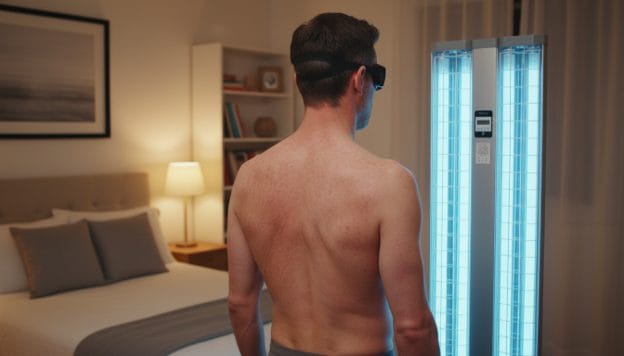
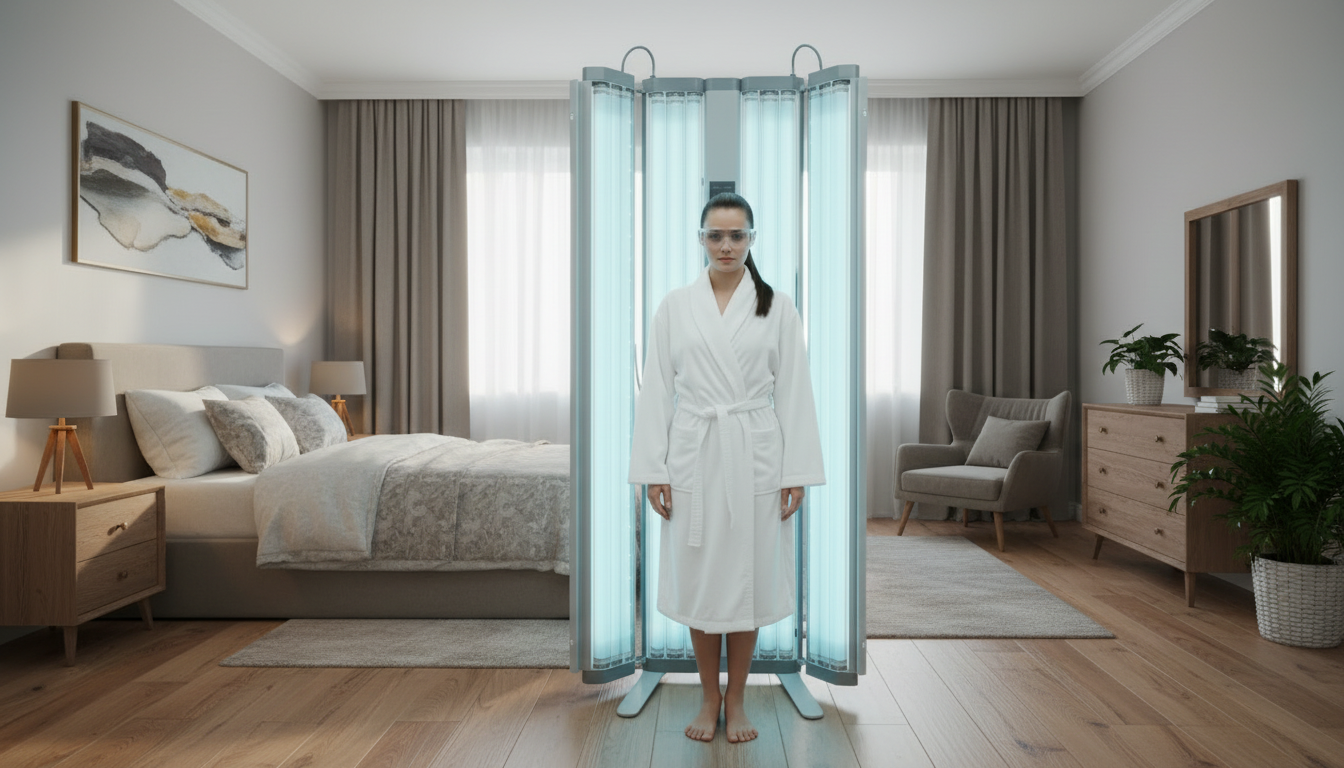
The process involves exposing the skin to a carefully controlled amount of UV light from a specialized medical device. This isn’t the same as using a tanning bed or lying in the sun; phototherapy is administered under medical supervision to ensure both safety and effectiveness. The light penetrates the skin and works on a cellular level to bring about a therapeutic effect. For those with autoimmune conditions, this process can help calm an overactive immune response, which is often the root cause of frustrating symptoms like inflammation and fatigue. Think of it as a way to gently reset the immune cells in your skin, leading to positive changes throughout your body.
Explore the Types of Phototherapy Treatments
When we talk about phototherapy, we’re not talking about just one type of light. The treatment uses specific, controlled wavelengths of ultraviolet (UV) light, most often narrowband ultraviolet B (NB-UVB) or PUVA, which combines a light-sensitizing medication with UVA light. For autoimmune conditions, NB-UVB is a common and effective choice.
The science behind it is fascinating. This specific UV light helps to calm down the hyperactive immune cells, called T cells, that drive inflammation in the skin and body. By slowing down the activity of these cells, phototherapy can reduce swelling and other symptoms associated with an overactive immune response. It’s a targeted approach that works with your body’s own systems to restore balance, offering a path to relief for many chronic conditions.
How UV Light Can Help Autoimmune Conditions
While phototherapy has a long history of treating skin conditions, recent research is highlighting its incredible potential for systemic autoimmune diseases. Evidence now shows that UV light has a surprising ability to calm an immune system that has gone into overdrive. This is a game-changer for anyone living with conditions where the immune system mistakenly attacks the body’s own tissues.
Recent studies have found that NB-UVB phototherapy can reduce the runaway systemic inflammation implicated in multiple sclerosis (MS) and other autoimmune diseases. Instead of just managing symptoms, this therapy gets closer to the source by regulating the immune response itself. By calming the immune system, UV light can help reduce the chronic inflammation that contributes to fatigue and other debilitating symptoms, offering a new layer of hope and control.
Discover Medical Uses Beyond Skin Care
The benefits of light therapy extend far beyond dermatology. The broader field, known as photobiomodulation, explores how different wavelengths of light can influence cellular behavior to produce therapeutic outcomes. This research shows that light can fine-tune immune responses by affecting key immune cells like macrophages and T cells.
This immunomodulatory effect shows significant promise for treating a range of autoimmune diseases, including rheumatoid arthritis and lupus. By influencing how these critical cells behave, light therapy can help manage inflammation and even support wound healing. It represents a shift toward innovative treatment options that work by modulating the body’s own systems rather than suppressing them entirely. As research continues, we’re discovering more ways that light can be used as a powerful tool for managing complex chronic conditions.
Understanding red light vs UVB therapy can help patients choose the correct treatment for their condition.
Phototherapy vs. Red Light Therapy: What’s the Difference?
It’s easy to group all light-based treatments together, but phototherapy and red light therapy are quite different. They use distinct parts of the light spectrum to achieve different goals within the body. Understanding these differences is the first step in figuring out which approach might be right for you and your specific health needs. Let’s break down how each one works, what makes them unique, and why one might be recommended over the other for certain conditions.
A Look at Red and Near-Infrared Light Wavelengths
Red light therapy, often called RLT, uses specific, low-level wavelengths of red and near-infrared light. These are delivered through LED devices, not the sun or tanning beds. The goal of RLT is to stimulate a process called photobiomodulation, which essentially helps your skin cells heal and regenerate. Think of it as giving your cells a gentle energy nudge to support their natural repair functions. This therapy focuses on surface-level or just-below-the-surface issues, using light that you can often see to encourage cellular growth and healing.
How Their Treatment Methods Differ
Here’s where the two therapies really diverge. Phototherapy uses controlled amounts of ultraviolet (UV) light to interact with your immune system. Specifically, it helps calm the overactive immune cells, like T cells, that drive inflammation in many autoimmune conditions. By slowing down these cells, phototherapy can reduce swelling and other symptoms. In contrast, red light therapy uses non-UV light to penetrate the skin and energize the mitochondria—the powerhouses of your cells. This increase in cellular energy helps cells repair themselves, which can also reduce inflammation and promote healing, but through a completely different biological pathway.
Why Red Light Therapy Is a Non-UV Treatment
A key distinction to remember is that red light therapy does not use UV light. This is a major point of difference from phototherapy, which relies on specific UV wavelengths for its therapeutic effect. Because RLT is a non-UV treatment, it doesn’t carry the same risks associated with UV exposure, like skin damage. For this reason, many at-home RLT devices are widely available. While it’s considered safe for short-term use when you follow the instructions, it works very differently from the medically supervised phototherapy prescribed by doctors for systemic conditions.
Compare the Benefits of Each Therapy
When you’re living with an autoimmune condition, finding effective ways to manage your symptoms is everything. Both phototherapy and red light therapy offer unique benefits by working with your body in different ways. One focuses on calming your immune system from the top down, while the other works from the cells up to support energy and repair. Understanding these differences can help you and your doctor decide on the best path forward for your health.
It’s not about one being universally “better,” but about which one is the right tool for your specific needs. Let’s look at how each therapy approaches healing and what that could mean for you.
How Phototherapy Helps Regulate the Immune System
Think of your immune system as a security team. In autoimmune conditions, that team becomes overactive and starts attacking healthy cells. Phototherapy, specifically narrowband UVB (NB-UVB), acts like a calming manager for that team. It works systemically to dial down this response. Research shows that NB-UVB phototherapy can reduce the runaway inflammation that is a hallmark of conditions like multiple sclerosis and other autoimmune diseases. By helping to regulate overactive immune cells, this treatment addresses a root cause of the inflammation, rather than just masking the symptoms. It’s a way to bring balance back to your body’s natural defense system.
How Red Light Therapy Supports Cellular Energy
If phototherapy is the manager, red light therapy is the power-up for your individual cells. This therapy uses specific wavelengths of red and near-infrared light to penetrate the skin and stimulate your mitochondria—the tiny power plants inside every cell. This process gives your cells more energy to do their jobs, like repairing tissue and reducing localized pain and inflammation. For people with autoimmune conditions like arthritis, this cellular boost can translate into real relief. Studies have shown it can significantly reduce pain and morning stiffness, helping you move more freely and get back to your daily activities with greater comfort.
Which Therapy Is Better for Reducing Inflammation?
Both therapies can help with inflammation, but they do it in different ways. Phototherapy targets the systemic, immune-driven inflammation that causes widespread symptoms. Red light therapy, or photobiomodulation, is excellent at optimizing inflammation on a more local level and enhancing tissue regeneration. Because it works on a cellular level, research shows it has the ability to fine-tune immune responses and shows promise for pain and tissue repair. The choice depends on the source of your inflammation. If your primary issue is an overactive immune response causing body-wide problems, phototherapy might be a more direct approach. If you’re dealing with localized joint pain or muscle stiffness, red light therapy could provide targeted relief.
Our Phototherapy Procedure overview explains how UV-based treatments are administered safely.
What Risks and Side Effects Should You Consider?
Any medical treatment comes with potential risks and side effects, and light therapy is no exception. Understanding these possibilities is a key part of making an informed decision with your healthcare provider. While both phototherapy and red light therapy are generally well-tolerated, their risk profiles are different because they use distinct types of light. Knowing what to expect can help you weigh the benefits against the potential drawbacks for your specific situation.
What to Know About Phototherapy and UV Exposure
Because phototherapy uses controlled amounts of ultraviolet (UV) light, it carries some of the same risks as sun exposure, but in a medically supervised setting. The most common side effects are temporary and mild, like redness, dry skin, or itching, similar to a slight sunburn. These are carefully managed by your doctor, who adjusts the dosage to find the right balance for your skin.
Over the long term, repeated exposure to UV light does carry a small risk of premature skin aging and skin cancer. This is why phototherapy is a prescription treatment. Your doctor will monitor your skin closely and ensure the benefits of calming your immune system outweigh the potential risks.
Are There Side Effects to Red Light Therapy?
Red light therapy is generally considered safe and has few reported side effects, mainly because it doesn’t use damaging UV rays. Most issues that arise, such as temporary redness, skin burns, or changes in skin color, are linked to using a device improperly or for too long. This is more common with at-home cosmetic devices that may not have the same safety standards as medical-grade equipment.
When used as directed, red light therapy is gentle on the skin. It’s always a good idea to follow the manufacturer’s instructions precisely and start with shorter sessions to see how your skin reacts, especially if you have sensitive skin.
Consider the Long-Term Safety of Each Treatment
When you compare the long-term outlook, the key difference is the amount of research available. Phototherapy, particularly narrowband UVB, has been used in clinical settings for decades. Its long-term risks are well-documented and understood, allowing doctors to manage them effectively. While there is a known risk, studies show that Low-Level Laser Therapy (LLLT), which includes red light, has minimal toxicity.
Red light therapy is a newer treatment, so we have less data on its long-term safety. While it appears very safe for short-term use, more research is needed to fully understand any effects from years of consistent application. This is an important conversation to have with your doctor when deciding on a sustainable, long-term treatment plan.
Common Myths About Light Therapy, Debunked
When you’re exploring new treatments, it’s easy to get tangled in a web of conflicting information. Light therapy is a powerful tool, but a lot of confusion exists around the different types available. Let’s clear up a few common myths so you can feel more confident in your healthcare journey.
Myth: All Light Therapies Are the Same
It’s a common mistake to lump all light-based treatments into one category. The truth is, the type of light used makes a world of difference. Medical phototherapy, the kind used to treat autoimmune conditions, uses controlled amounts of ultraviolet (UV) light. This specific part of the light spectrum has a well-researched, powerful effect on the immune system. In contrast, red light therapy uses wavelengths of red and near-infrared light, which contain no UV at all. Think of it this way: the sun emits a full spectrum of light, and these therapies isolate very specific, tiny parts of it to achieve different health outcomes.
Myth: Red Light Therapy Is a Replacement for Phototherapy
While red light therapy is gaining popularity, it’s not a direct substitute for medical phototherapy. Red light is often used for cosmetic skin concerns, muscle recovery, and wound healing. For autoimmune conditions like psoriasis, it’s still considered a relatively new option with ongoing research. Phototherapy, especially narrowband UVB, is an established, FDA-cleared treatment prescribed by doctors to help regulate the immune system. It has decades of clinical evidence supporting its effectiveness for chronic conditions. While both therapies use light, they have very different applications and levels of scientific backing for specific medical uses. One isn’t better than the other—they simply have different jobs.
Myth: These Treatments Are Completely Risk-Free
It’s smart to approach any treatment with a clear understanding of its safety. While light therapies are generally safe when used correctly, they aren’t entirely without risk. Because phototherapy involves UV light, it must be administered under medical supervision to ensure the dose is both effective and safe, minimizing risks like sunburn. This is why it requires a prescription. Red light therapy is also considered safe for most people, but improper application or using a device that isn’t FDA-cleared can lead to side effects like skin burns or changes in skin color. The most important thing is to work with your healthcare provider to ensure you’re using the right therapy safely and effectively for your needs.
Compare Treatment Plans and Accessibility
When you’re managing a chronic condition, the practical details of a treatment plan matter just as much as the science behind it. How will it fit into your life? What’s the time commitment? Where do you even start? Understanding the logistics of phototherapy and red light therapy can help you and your doctor decide on the best path forward. The accessibility, session length, and professional oversight for these two treatments are quite different, and knowing what to expect can make all the difference in your experience.
Phototherapy is a regulated medical treatment that requires a doctor’s involvement, whether you receive it in a clinic or at home. This structure ensures your treatment is tailored to your specific needs and managed safely from start to finish. Red light therapy, on the other hand, is more widely available for consumer purchase and use without a prescription. This makes it easier to start, but it also places more responsibility on you to find a quality device and use it correctly. Let’s break down what a typical treatment plan looks like for each.
Why Phototherapy Requires a Prescription
Phototherapy uses specific wavelengths of ultraviolet (UV) light to help regulate the immune system, making it a powerful medical tool. Because it involves UV exposure, it must be administered carefully to be both safe and effective. This is why you need a doctor’s prescription to begin phototherapy, even with an at-home unit. A physician will determine the right dose and frequency for your condition, monitor your progress, and adjust the plan as needed. This medical supervision is key to minimizing risks and achieving the best possible results. Think of it as a personalized treatment plan, guided by a professional who understands your health history and goals.
Using Red Light Therapy: At Home vs. In a Clinic
Unlike phototherapy, red light therapy devices are widely available for direct purchase. You can find everything from small, handheld wands to large, full-body panels for home use. This accessibility makes it easy to incorporate into your daily routine. You can also find professional-grade red light therapy treatments at dermatology clinics, spas, and wellness centers. While at-home devices offer convenience, it’s important to use them carefully and follow the manufacturer’s instructions. Professional sessions may offer more powerful or targeted treatments, but home use provides a consistent and accessible option for ongoing support.
How Do Session Times and Frequency Differ?
The structure of your treatment schedule will vary significantly between phototherapy and red light therapy. Phototherapy sessions are typically short, often lasting just a few minutes. They are usually done two to three times per week in a clinical setting or at home with a prescribed unit. Consistency over several weeks or months is crucial for seeing results. Red light therapy sessions tend to be longer, usually around 10 to 20 minutes per area. Depending on the device and your goals, you might use it several times a week or even daily. For both therapies, following a consistent schedule is the key to seeing benefits.
Which Conditions Respond Best to Each Treatment?
Deciding between phototherapy and red light therapy often comes down to your specific health goals. While both use light to trigger biological responses, the type of light and its depth of penetration determine which conditions they treat most effectively. Phototherapy, particularly with narrowband UVB light, is a powerful tool for modulating the immune system, whereas red light therapy is often used to support cellular function, reduce pain, and aid in tissue repair.
Phototherapy’s Role in Treating Autoimmune Disease
If you’re managing an autoimmune condition, phototherapy might be the more targeted approach. It works by calming an overactive immune system, which is the root cause of many autoimmune symptoms. Recent research from Cytokind found that “NB-UVB phototherapy reduced the runaway systemic inflammation implicated in MS and other autoimmune diseases.” This highlights its potential to manage conditions where the immune system mistakenly attacks the body. By dialing down this inflammatory response, phototherapy offers a way to manage symptoms and address the underlying immune dysregulation, making it one of the more innovative treatment options available for systemic conditions.
Treating Skin Conditions and Inflammation
Both therapies can address inflammation, but they do so in different ways. Phototherapy is a long-established treatment for inflammatory skin conditions like psoriasis, vitiligo, and eczema. It works on the surface of the skin to slow down the rapid growth of skin cells and reduce localized inflammation.
Red light therapy, or photobiomodulation, penetrates deeper into the tissues. Its immunomodulatory effects on immune cells show promise for treating systemic inflammatory conditions like rheumatoid arthritis and inflammatory bowel disease. By influencing immune cells, it helps fine-tune the body’s inflammatory response and can enhance tissue regeneration, making it a versatile tool for managing inflammation throughout the body.
Using Light Therapy for Pain and Wound Care
When it comes to pain management and wound healing, red light therapy often takes center stage. Its ability to stimulate mitochondria and increase cellular energy helps accelerate tissue repair and reduce pain signals. It’s commonly used for musculoskeletal issues, joint pain, and speeding up recovery from injuries.
Research into Laser Light Therapy in Inflammatory, Musculoskeletal, and Autoimmune Disease notes that this form of therapy has “minimal toxicity and shows some promise that warrants further study,” especially for difficult-to-treat cases. This makes it an appealing option for those seeking non-invasive pain relief and support for the body’s natural healing processes without the side effects associated with some traditional medications.
How to Choose the Right Light Therapy for You
Deciding between phototherapy and red light therapy comes down to your personal health goals and medical needs. While both use light to support the body, they work in very different ways. Making the right choice isn’t about picking the “best” therapy, but the best one for you. Thinking through your needs, talking with your doctor, and understanding what to expect are the three key steps to finding a treatment plan that fits your life and helps you feel your best.
Evaluate Your Specific Health Needs
Before you start your research, take a moment to clarify what you hope to achieve. Are you looking to address a specific skin condition like psoriasis? Or are you focused on managing systemic inflammation and fatigue from an autoimmune disease? Phototherapy, particularly narrowband UVB, is a well-studied treatment for regulating the immune system. On the other hand, some people explore red light therapy for its potential to support cellular energy and manage symptoms. Understanding your primary concerns will help you and your doctor narrow down the options and focus on the therapy most aligned with your health goals.
Talk to Your Doctor for Guidance
You don’t have to figure this out on your own. In fact, you shouldn’t. Your doctor is your most valuable resource in this process. Before starting any new treatment, it’s essential to discuss it with your healthcare provider. They can confirm your diagnosis, review your health history, and help you understand if light therapy is a suitable option. For medical-grade treatments like phototherapy, a prescription is necessary to ensure it’s administered safely and effectively. Come to your appointment prepared to talk about the symptoms you want to address and ask about innovative treatment options that could work for you. Your doctor can help you weigh the benefits and potential risks of each therapy.
Set Realistic Expectations for Treatment
Light therapy can be a powerful tool, but it’s important to have a realistic outlook. While many studies show promising results, research is still evolving for some applications. The effects of light therapy are not always immediate; it often requires consistent sessions over weeks or months to see significant changes. It’s also helpful to remember that results can vary from person to person. Research shows that light has the potential to fine-tune immune responses, but it’s one piece of a larger wellness puzzle. Think of it as a supportive therapy that works alongside your overall treatment plan, not as a standalone cure. Patience and consistency are key to getting the most out of your treatment.
Related Articles
- Autoimmune Disease and Innovative Treatment Options – Cytokind
- Phototherapy – Safe & Effective Treatment for Psoriasis & Eczema
- Cytokind Featured in Scientific American on Breakthroughs in UVB Therapy for Autoimmune Disease – Cytokind
- Your Guide to Safe UVB Light Therapy at Home
- Non-Invasive Light Treatment and Multiple Sclerosis Fatigue
Frequently Asked Questions
Is phototherapy just like using a tanning bed? This is a great question, and the answer is a definite no. While both involve UV light, they are worlds apart in terms of safety and purpose. Medical phototherapy uses a very specific, narrow wavelength of light in carefully controlled doses prescribed by your doctor. Tanning beds, on the other hand, use a broad spectrum of UV light with the goal of tanning the skin, which isn’t a therapeutic approach and comes with significant health risks. Think of phototherapy as a precise medical instrument and a tanning bed as an unregulated tool.
Which therapy is better for systemic symptoms like fatigue and body-wide inflammation? When you’re dealing with symptoms that affect your whole body, it’s helpful to look at the root cause. Phototherapy, specifically narrowband UVB, is designed to work on a systemic level by helping to calm an overactive immune system. Since widespread inflammation and fatigue are often driven by this immune response, phototherapy can be a more direct approach. Red light therapy works differently by supporting energy production within your cells, which can help with localized pain and tissue repair, but it doesn’t have the same primary focus on regulating the immune system itself.
Do I need a doctor’s prescription to start light therapy? For medical phototherapy, yes, you absolutely need a prescription. Because it uses UV light, it’s considered a medical treatment that requires a doctor’s oversight to ensure it’s safe and effective for your specific condition. Your doctor will determine the correct dosage and schedule. Red light therapy devices, however, do not use UV light and are widely available for purchase without a prescription for at-home use.
How long will it take before I notice any changes? Patience and consistency are your best friends here. Light therapy is not an overnight fix. For both phototherapy and red light therapy, it typically takes several weeks or even a few months of consistent sessions to see meaningful results. The exact timeline depends on your individual condition, the severity of your symptoms, and how closely you stick to your treatment plan. It’s best to think of it as a gradual process of supporting your body’s systems.
Can I use red light therapy and phototherapy at the same time? Since these two therapies work through different biological pathways, some people wonder about using them together. However, it’s critical to make this decision with your healthcare provider. Your doctor can help you understand if combining treatments is appropriate for your health situation and can guide you on how to do so safely. Layering treatments without professional guidance can be risky, so always start a conversation with your doctor first.