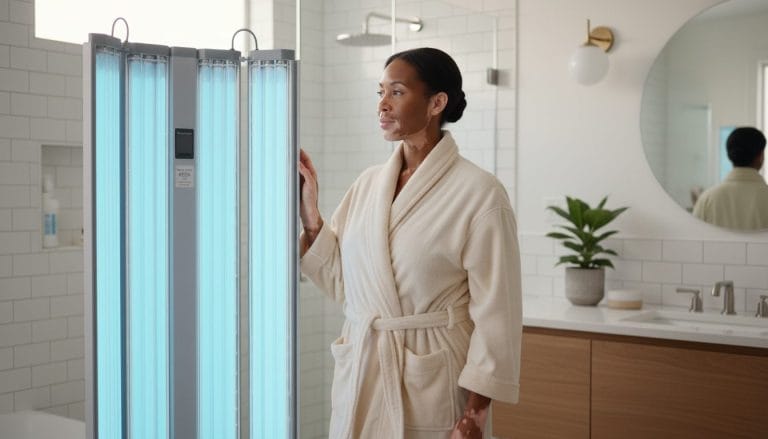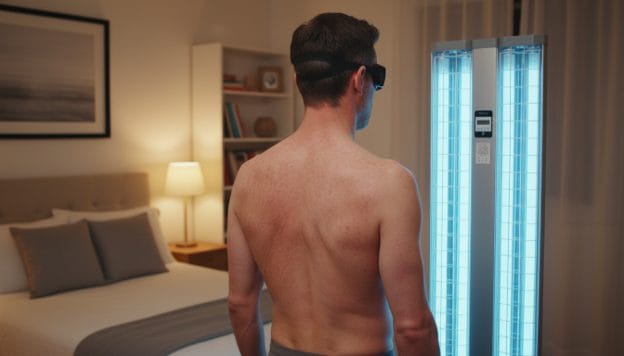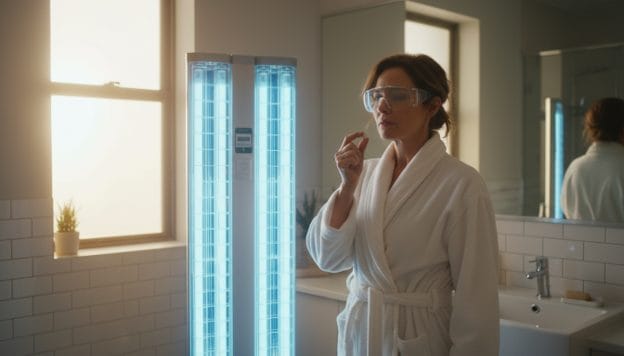
When most people hear about light therapy, they think of skin conditions like psoriasis. While it’s incredibly effective for skin, its benefits go much deeper. Researchers are now focused on how this therapy can address the systemic inflammation that drives conditions like multiple sclerosis and chronic fatigue. The light works by regulating your immune response, not just on the surface but throughout your body. A home narrowband uvb light therapy device offers a way to target the root cause of your symptoms, providing a powerful, science-backed tool for managing the widespread inflammation and fatigue that other treatments may not fully address.
Key Takeaways
- Get Clinic-Level Results from Home: At-home narrowband UVB therapy is proven to be just as effective as in-office treatments. The real benefit is convenience, which helps you stick to the consistent schedule needed to see significant improvement.
- A Doctor’s Prescription is Essential: This is a medical-grade treatment, not a wellness gadget. Working with your doctor is crucial to get a prescription, determine a safe and effective treatment schedule, and monitor your progress to avoid side effects.
- Choose Your Device Based on Safety and Treatment Goals: Always select an FDA-cleared device with key safety features like a timer. Consider whether you need to treat small spots or your whole body to find a unit that fits your treatment plan and lifestyle.
What is At-Home Narrowband UVB Therapy?
If you’re managing a chronic autoimmune condition, you know how draining it can be to find treatments that fit into your life. At-home narrowband UVB (NB-UVB) therapy is a treatment that brings the power of phototherapy right into your home. It uses a very specific wavelength of ultraviolet B light to help calm inflammation and regulate an overactive immune system. Think of it as a highly targeted light treatment, prescribed by your doctor, that you can use on your own schedule.
This isn’t a new or experimental idea; it’s a well-established and effective approach for conditions like psoriasis, vitiligo, and eczema. Research has consistently shown that home UVB phototherapy is a safe and practical way to manage symptoms without constant trips to a clinic. Because it targets the underlying immune response, many people find it provides relief that goes beyond surface-level symptoms. It’s a way to take back some control, giving you a tool to actively manage your condition from the comfort and privacy of your home. With medical guidance, you can integrate a powerful, clinic-quality treatment into your daily routine, making consistent care feel less like a burden and more like a part of your self-care.
How the Light Works to Calm Your System
So, how does a specific wavelength of light actually help with an autoimmune condition? It works by getting to the root of the problem: an immune system that’s in overdrive. When your body is dealing with an autoimmune response, certain immune cells send out signals, called cytokines, that create inflammation. Narrowband UVB light essentially tells these cells to quiet down.
Studies show that NB-UVB therapy helps suppress the signals that drive inflammation, helping to restore balance to your system. By calming this overactive response, the light can reduce symptoms like skin lesions, itching, and even some of the systemic inflammation that contributes to fatigue. It’s a way of gently guiding your immune system back toward a more peaceful state.
At-Home vs. In-Clinic: What’s the Difference?
One of the biggest questions people have is whether at-home therapy can really be as effective as the treatments you get in a doctor’s office. The answer is a resounding yes. Studies comparing the two have found that home phototherapy works just as well as clinic-based treatments. The main difference isn’t the quality of the light but the convenience.
Many at-home devices, including Cytokind’s line of innovative treatment options, use the exact same medical-grade bulbs found in clinical machines. The real advantage of at-home therapy is consistency. Life is busy, and getting to a clinic multiple times a week can be a huge barrier. Treating yourself at home makes it much easier to stick to your prescribed schedule, which is the key to getting the best possible results.
Is Narrowband UVB Therapy Right for You?
Deciding on a new treatment can feel overwhelming, especially when you’re already managing a chronic condition. Narrowband UVB therapy is a well-established medical treatment, but it’s important to understand if it aligns with your specific health needs. This therapy uses a very specific wavelength of ultraviolet light to calm inflammation and regulate the immune system’s response. It’s not a tanning bed or a simple light box; it’s a targeted medical tool that has shown promise for a range of autoimmune diseases.
Whether you’re dealing with persistent skin issues or the systemic inflammation and fatigue that come with other autoimmune diseases, NB-UVB could be a valuable part of your care plan. It works by exposing the skin to light that slows the overproduction of skin cells and tamps down the immune reactions that cause flare-ups. The key is working closely with your doctor to determine if you’re a good candidate. Together, you can weigh the potential benefits against any risks and create a treatment plan that is both safe and effective for you. This section will walk you through the conditions it treats and why medical guidance is a non-negotiable part of the process.
Treating Autoimmune Skin Conditions
If you live with an autoimmune skin condition like psoriasis or eczema, you know the cycle of flare-ups, itching, and inflammation all too well. Narrowband UVB therapy works directly on the skin to interrupt that cycle. The light helps to reduce inflammation, soothe the itch, and improve your skin’s natural barrier. For many people, a consistent course of treatment leads to significant, visible improvements.
What’s especially encouraging is that you don’t have to rely on frequent clinic visits to get these results. Studies have shown that home NB-UVB phototherapy can be just as effective as in-office treatments for managing conditions like psoriasis, giving you more control over your own care schedule.
Beyond the Skin: Systemic Autoimmune Conditions
The benefits of narrowband UVB therapy aren’t just skin deep. Researchers are increasingly exploring its powerful systemic effects on the entire body. Because the light helps regulate the immune system, it shows promise for conditions characterized by widespread inflammation, such as multiple sclerosis. The therapy’s broad anti-inflammatory effects can be measured through clinical testing, showing a real change in the body’s immune response.
This isn’t just about temporarily soothing symptoms. Some findings suggest that UV light may help reprogram immune function at a fundamental level. This means the benefits could continue even after you’ve stopped a course of treatment, offering a path toward more lasting relief from systemic inflammation and fatigue.
Why You Need a Prescription and Medical Guidance
While at-home NB-UVB therapy is convenient and effective, it’s crucial to remember that it is a medical treatment. The devices use ultraviolet radiation, and using them without proper guidance can be hazardous and lead to skin burns. This is why you absolutely need a prescription and an ongoing partnership with your healthcare provider. Your doctor will determine the correct starting dose and treatment schedule based on your skin type and condition.
They will also teach you how to use the device safely and monitor your progress, making adjustments as needed. Think of your doctor as your co-pilot. The prescription ensures you’re getting an FDA-cleared device and the medical supervision required for a safe and successful home phototherapy experience.
Finding the Best Home Narrowband UVB Device
Once you and your doctor decide that at-home narrowband UVB therapy is a good fit, the next step is choosing a device. This can feel like a big decision, but you don’t have to go it alone. The best device for you will depend on your specific condition, your doctor’s treatment plan, and your lifestyle. Think of this guide as a starting point to help you understand your options and have a productive conversation with your healthcare provider.
The world of home phototherapy includes a variety of devices, each with different strengths. Some are designed for small, targeted areas, while others can treat your entire body. The companies behind them also have different philosophies. Some focus primarily on skin conditions like psoriasis, while others, like Cytokind, are exploring the systemic, anti-inflammatory benefits of phototherapy for a wider range of autoimmune diseases. We’ll walk through some of the top brands and the key features to look for so you can feel confident you’re making an informed choice. Remember, the goal is to find a device that is safe, effective, and easy to incorporate into your routine, helping you take control of your health from the comfort of home.
A Look at Cytokind’s At-Home Devices
Cytokind is unique because of its dedicated focus on using light therapy to address the root causes of autoimmune conditions, particularly systemic inflammation and fatigue. While many brands approach phototherapy from a purely dermatological angle, Cytokind is at the forefront of research exploring its broader benefits. Their work is backed by science, with recent studies demonstrating how NB-UVB phototherapy can reduce inflammation in patients with multiple sclerosis. This commitment to clinical research means their at-home devices are designed based on the latest findings, offering a treatment option grounded in evidence for those seeking more than just skin-deep relief.
Comparing Other Top Brands
While Cytokind specializes in the systemic effects of phototherapy, it’s helpful to know what other options are available. Brands like Solarc Systems and Phothera are also well-regarded in the home phototherapy space. Solarc, for instance, equips its devices with Exposure Guideline Tables, which provide conservative treatment time recommendations based on your skin type. This is a great safety feature that helps you and your doctor establish a gentle starting point. You can find more details in their list of frequently asked questions. Phothera also offers a range of light-based devices designed for safe and effective home use, giving you more choices to compare as you search for the perfect fit.
What to Look For: Key Features and Specs
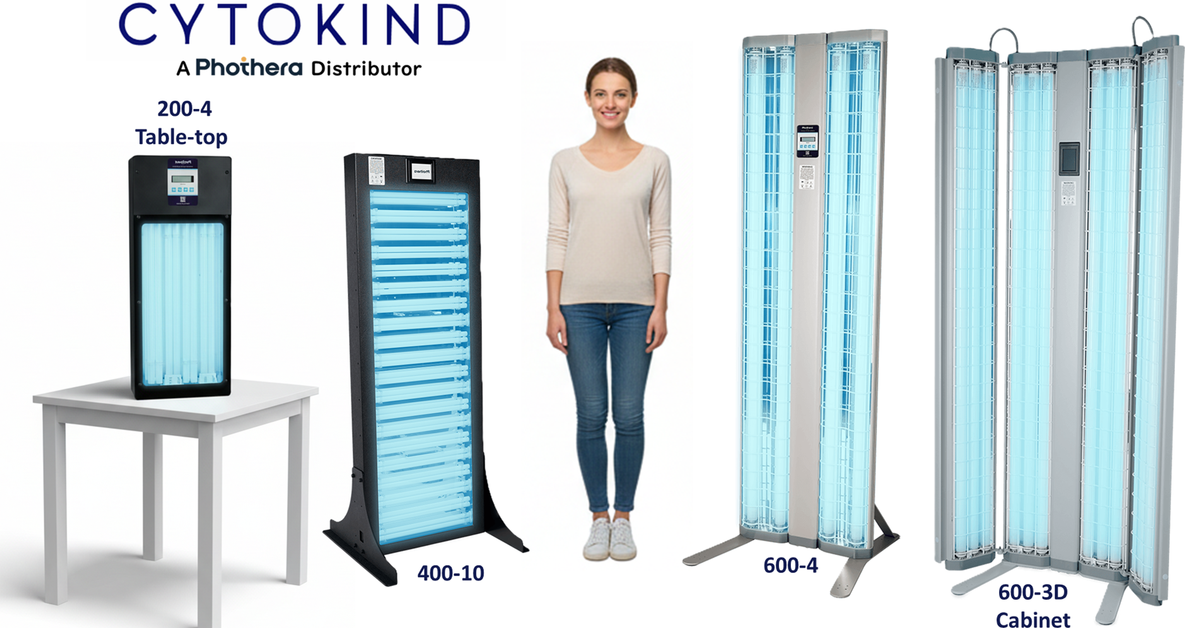
When you start comparing devices, it’s easy to get lost in the technical details. The most important thing to consider first is the treatment area. Do you need to treat small, specific spots, or are you looking for full-body exposure to address systemic inflammation? The types of home phototherapy units vary widely, from small hand-held wands and tabletop models for localized treatment to larger cabinet or “walk-in” units for the entire body. Think about portability, storage, and how the device will fit into your home. Most importantly, always verify that any device you consider is FDA-cleared, which confirms it meets federal standards for safety and effectiveness.
The Cost of At-Home UVB Therapy
When you’re exploring a new treatment for a chronic condition, the cost is always a major factor. Investing in a medical device for your home can feel like a big step, but it’s important to look at the full picture, from the initial price to long-term savings and insurance coverage. Let’s break down what you can expect when considering at-home narrowband UVB therapy.
Understanding the Price Tag
At-home UVB therapy devices typically range in price from a few hundred dollars to over $3,000. While that initial number might seem high, it’s helpful to think of it as a long-term investment in your health and well-being. Consider the recurring costs of regular trips to a clinic: co-pays for each session, gas, parking, and potentially time taken off work. These expenses add up quickly over months and years. A home device offers the convenience of treating your condition on your own schedule, which is a game-changer for managing chronic autoimmune symptoms. Plus, research shows that home narrowband UVB phototherapy is at least as effective as outpatient clinic treatments for some conditions, so you aren’t sacrificing quality for convenience.
Will Insurance Cover It?
Now for the question on everyone’s mind: will insurance help pay for it? The good news is that many insurance plans do cover home phototherapy devices. The key is that the device must be prescribed by your healthcare provider as a medically necessary treatment. Coverage is often more likely if you’ve already tried other standard treatments without success, which is a common scenario for many people seeking innovative treatment options. In fact, studies show that up to 80% of patients may receive some level of insurance coverage for their home UVB equipment. The best first step is to talk with your doctor about a prescription and then contact your insurance company directly to confirm the details of your specific plan.
How to Choose the Right Device for You
Okay, you’re ready to bring narrowband UVB therapy home. But which device is the right one? Think of it like finding the perfect pair of running shoes—what works for a marathoner might not be right for a weekend jogger. The best device for you will fit your specific treatment needs, your lifestyle, and your space. It’s a significant investment in your well-being, so it’s worth taking a moment to consider a few key factors. We’ll walk through what really matters: coverage area, safety certifications, and how easy the device is to use day-to-day.
Coverage and Portability: Finding Your Fit
First, think about the area you need to treat. Are you managing small, localized patches or a condition that affects larger parts of your body? Some devices are handheld and perfect for targeted spots, while others are full-body panels designed to treat extensive areas in a single session. Your lifestyle also plays a role. If you travel often or have limited storage space, a compact, portable unit might be your best bet. For those who need broader coverage, a larger, stationary device will be more efficient, saving you time and ensuring consistent exposure across the entire area. The goal is to find a device that makes treatment feel seamless, not like a chore.
Safety First: FDA Clearance and Essential Features
When it comes to any medical device, safety is non-negotiable. The most important thing to look for is FDA clearance. This certification means the device has been reviewed for safety and effectiveness. Because UV radiation can cause burns if used improperly, you should also look for essential safety features. A built-in timer is a must-have to prevent overexposure. Some devices also come with controlled-dose technology and safety keys to prevent accidental use. Don’t be tempted by cheaper, uncertified devices online. Your health is worth the peace of mind that comes with a properly vetted and secure piece of equipment.
Ease of Use and Upkeep
The most effective treatment is the one you stick with. That’s why ease of use is so important. Research shows that home NB-UVB phototherapy can be just as effective as in-clinic treatments, and a user-friendly device is key to achieving that consistency. Look for clear instructions, an intuitive interface, and straightforward assembly. Some of the best devices come with detailed exposure guidelines that help you and your doctor determine the right starting dose and treatment times. You’ll also want to consider upkeep—how often do the bulbs need replacing, and how easy is it to get them? A simple, low-maintenance device will make it much easier to build a consistent routine and get the results you’re looking for.
Using Your Device Safely and Effectively
Once you have your at-home narrowband UVB device, the next step is learning how to use it correctly. Think of it as a partnership between you, your device, and your doctor. Following your prescribed treatment plan is key to getting the results you want while keeping your skin safe and healthy. With a consistent routine and open communication with your care provider, you can confidently manage your therapy at home.
Your Treatment Schedule and Dosing
Your treatment plan is tailored specifically to you. Your doctor will create a schedule based on your condition and skin type, starting with a very low dose of light exposure measured in seconds. This initial dose helps see how your skin reacts. From there, you’ll slowly increase the treatment time with each session, following your doctor’s instructions precisely to prevent burns. Most plans involve sessions three times per week, with at least 24 hours in between to let your skin rest. Sticking to this schedule is a core part of a successful home phototherapy practice.
Protective Gear and Safety Steps
Safety is the most important part of your at-home treatment. The first rule: always wear the UV-blocking goggles that come with your device. Every single time. This protects your eyes from the powerful UVB rays. You’ll also need to be very careful with your treatment times. Use a timer and stick to the exact duration your doctor prescribed to avoid a painful sunburn. Before you begin, give your doctor a complete list of all your medications—including prescriptions, over-the-counter drugs, and supplements. Some can make your skin more sensitive to light, so your doctor needs the full picture to keep you safe.
Watching for Changes and Adjusting Your Plan
Your at-home UVB therapy journey requires you to pay close attention to your body. It’s normal for your skin to look slightly pink after a treatment, which usually fades within 24 hours. However, if you experience significant redness, blistering, or your condition seems to worsen, pause your treatments and contact your doctor right away. Regular check-ins with your physician are essential. These appointments allow your doctor to assess your progress, adjust your dose, and perform skin checks. This ongoing collaboration ensures your treatment remains both safe and effective as you explore these innovative treatment options.
Understanding Potential Side Effects
Like any effective medical treatment, narrowband UVB therapy has potential side effects. The good news is that it’s generally very well-tolerated. Most reactions are mild and easy to manage at home. Knowing what to look for helps you stay in control of your treatment and work with your doctor to ensure everything goes smoothly. Here’s what you might experience, when to reach out for help, and who might need to consider a different path.
Common Reactions and How to Manage Them
It’s not uncommon to experience some mild skin reactions after a session, especially when you’re just starting. Think of it like a bit too much sun—you might notice some redness, itching, or tenderness. Some people also report dry skin, tanning, or even a temporary flare-up of cold sores or folliculitis (irritated hair follicles). These short-term side effects are typically your body’s way of adjusting to the light. Using a good, fragrance-free moisturizer can help with dryness and itching. Most of these reactions are temporary and fade quickly as your skin gets used to the therapy.
When to Call Your Doctor
While mild redness is expected, a more intense, sunburn-like reaction is a sign to pause and call your doctor or phototherapy provider right away. They’ll likely adjust your treatment time to prevent it from happening again. It’s also crucial to keep an open line of communication about your overall health. If you start any new medication—prescription or over-the-counter—while using your home device, you need to consult your physician. Some medications can make your skin more sensitive to light, so your doctor needs to know about any changes to ensure your treatment remains safe and effective.
Who Should Avoid This Treatment?
Narrowband UVB therapy isn’t the right fit for everyone. If you have a medical condition that causes significant light sensitivity, like lupus or porphyria, this treatment is generally not recommended. The same goes for anyone taking medications that are known to increase photosensitivity. It’s also important to consider your skin cancer history. Individuals with a past melanoma or multiple non-melanoma skin cancers should avoid this therapy due to potential risks. This is exactly why a thorough discussion with your doctor and a valid prescription are essential first steps—they ensure this treatment is a safe and appropriate choice for your specific health profile.
Home vs. Clinic: Are the Results the Same?
If you’re considering narrowband UVB therapy, one of the biggest questions you probably have is whether you can get the same quality of treatment at home as you would in a clinic. It’s a fair question—we’re often taught that medical treatments require a formal, clinical setting to be effective. But when it comes to narrowband UVB, the location might matter less than you think.
The goal of this therapy is consistent, controlled exposure to a specific wavelength of light. Whether that light source is in a doctor’s office or your living room, the mechanism is the same. The key differences come down to effectiveness and the practical side of sticking to your treatment plan. Let’s break down what the research says and how the convenience of home therapy can actually lead to better outcomes.
Comparing Treatment Effectiveness
Let’s get straight to the point: The results are the same. Multiple studies have confirmed that for conditions like psoriasis, home narrowband UVB phototherapy is at least as effective as treatments performed in a clinic. This is fantastic news because it means you don’t have to sacrifice quality for convenience. You can feel confident knowing that the device you use at home is capable of delivering the same therapeutic light as the larger units in a dermatologist’s office. This parity in effectiveness puts powerful, science-backed treatment directly into your hands, allowing you to manage your condition on your own terms without compromising on the results.
The Power of Convenience and Consistency
Here’s where at-home therapy truly shines. Think about the logistics of going to a clinic several times a week: scheduling appointments, commuting, taking time off work, and sitting in a waiting room. These hurdles can make it difficult to stick with a treatment plan. When your device is right at home, those barriers disappear. You can complete your session whenever it fits into your day. This ease of access makes it much simpler to be consistent, and consistency is absolutely critical for achieving the best results with light therapy. When you can easily follow your prescribed schedule, you give the treatment the best possible chance to work, putting you in the driver’s seat of your own care and helping you manage your autoimmune disease effectively.
Debunking Myths About Home UVB Therapy
When you’re exploring new ways to manage an autoimmune condition, it’s easy to run into misinformation. At-home narrowband UVB therapy is a powerful tool, but it’s surrounded by a few common myths that can cause confusion. Let’s clear the air and look at what the science actually says about this treatment, so you can feel confident in your decisions.
Myth: It’s Unsafe or Causes Cancer
This is the biggest concern for most people, and it’s completely understandable. The word “UV” often brings to mind the dangers of sun exposure. However, narrowband UVB therapy is very different. It uses a very specific, therapeutic wavelength of light that is targeted to calm your immune system. While some providers may hesitate to prescribe it due to perceived risks, studies show home phototherapy is well-tolerated and effective when used correctly. The most common side effects are mild redness or dryness, which usually fade quickly. Following your doctor’s prescribed treatment plan is the key to using your device safely and getting the best results.
Myth: It’s Unaffordable or Not Covered by Insurance
The idea of buying a medical device for your home can sound expensive, but it’s often more accessible than you might think. Many insurance plans will cover the cost of a home phototherapy unit when it’s prescribed by your doctor, especially if you’ve already tried other treatments without success. It’s always worth checking with your insurance provider to understand your specific coverage. Investing in an at-home device can also save you money and time in the long run by reducing the need for frequent co-pays and trips to a clinic, making it one of the more innovative treatment options available for long-term care.
Myth: It’s Complicated or Doesn’t Work
You might wonder if you can get the same results at home that you would in a doctor’s office. The answer is a resounding yes. In fact, research has found that for conditions like psoriasis, home narrowband UVB phototherapy is at least as effective as treatment in a clinic. The real advantage of at-home therapy is consistency. It’s much easier to stick to your treatment schedule when you don’t have to travel for every session. Modern devices are also designed to be user-friendly, with clear instructions and built-in safety features, so you can focus on your treatment without the stress.
Your First Steps with Narrowband UVB Therapy
Getting started with at-home narrowband UVB therapy is a straightforward process, but it requires a thoughtful approach. Think of it as setting the foundation for a successful treatment journey. It all begins with a conversation with your doctor and creating a space and routine that sets you up for consistency. By taking these initial steps seriously, you can make sure you’re using your device safely and effectively to get the results you’re looking for. This isn’t just about unboxing a new device; it’s about integrating a powerful, healing tool into your life.
Partnering with Your Doctor for a Prescription
Your first and most important step is to talk with your healthcare provider. Narrowband UVB therapy is a medical treatment, and you’ll need a prescription to purchase an at-home device. This conversation is crucial because it ensures this is the right path for you. As the Cutaneous Lymphoma Foundation notes, a home phototherapy unit can be a great option, but only if your doctor agrees it’s the best fit for your specific condition and health needs. This partnership allows your doctor to create a personalized treatment plan, including the correct dosage and schedule, so you can begin your therapy with confidence.
Creating Your At-Home Treatment Space
Once you have a plan with your doctor, it’s time to set up your treatment area. The beauty of at-home phototherapy is the ability to treat your condition in the privacy and comfort of your own home. To make your sessions as effective as possible, choose a dedicated spot where you won’t be disturbed. Make sure the area is comfortable and has good lighting. This simple act of creating a designated space helps turn your treatment into a seamless part of your routine rather than a daily chore. A calm, organized space can make all the difference in staying consistent with your at-home treatment plan.
Building a Consistent Treatment Routine
Consistency is the key to getting the most out of your narrowband UVB therapy. Following the schedule prescribed by your doctor is vital for achieving the best results. It’s also important to remember that at-home therapy is a supervised process. Regular check-ins with your doctor are part of the routine. According to a study on home UVB phototherapy, these visits are essential for tracking your progress, adjusting doses if needed, and monitoring your skin. With proper guidance and a consistent schedule, you can safely manage your treatment and work toward calming your system and feeling better.
Related Articles
- How At-Home UVB Therapy for Inflammation Works
- Your Guide to a Narrow Band UVB Home Unit
- UVB Treatment Times: How Long Do They Take?
- Create Your At-Home NB-UVB Treatment Schedule
- Buy a Home Phototherapy Unit: A Prescription Guide
Frequently Asked Questions
Is this the same as using a tanning bed or a SAD lamp? This is a great question, and the answer is a firm no. Narrowband UVB therapy is a precise medical treatment that uses a very specific wavelength of light (311-313 nanometers) to calm your immune system. Tanning beds use a broad spectrum of UVA and UVB rays that are not therapeutic and can be harmful. Similarly, SAD lamps use visible light to affect mood and don’t have the same immunological effects. Think of NB-UVB as a targeted tool, while the others are much more general and not designed to treat autoimmune conditions.
How long will it take before I see or feel a difference? Patience and consistency are your best friends here. The timeline for results really depends on your specific condition and how your body responds. For skin-related issues like psoriasis, some people start to see improvements in their skin within a few weeks of consistent treatment. For more systemic benefits, like a reduction in fatigue or inflammation, it might take a bit longer to notice a change. The most important thing is to stick to the schedule your doctor prescribes, as the positive effects build up over time.
What does a typical treatment session at home look like? A home treatment session is surprisingly quick and simple. You’ll set up your device in a private, comfortable space, put on your required UV-blocking goggles, and position yourself so the light covers the treatment area. You will then set the timer for the exact duration your doctor prescribed—which might only be 30 seconds to start. Once the time is up, you’re done. The whole process usually takes just a few minutes, making it easy to fit into your daily routine.
Do the benefits last even after I stop the treatments? Many people find that the benefits can be long-lasting. Because narrowband UVB therapy works by helping to regulate your immune system rather than just masking symptoms, its effects can be quite durable. Some research suggests it helps guide your immune cells toward a less inflammatory state. Depending on your condition, your doctor may recommend a maintenance schedule with less frequent treatments after your initial course to maintain the results, but the goal is often to achieve lasting relief.
How do I bring this up with my doctor if they’ve never mentioned it? It can feel intimidating to suggest a treatment to your doctor, but you are your own best advocate. A great way to start the conversation is to explain that you’ve been researching established, FDA-cleared options for managing your condition and came across at-home narrowband UVB therapy. You can mention that you’re interested in its potential to reduce inflammation and that you’d like to know if they think you might be a good candidate. Coming prepared with your questions shows that you’re an active partner in your own healthcare.