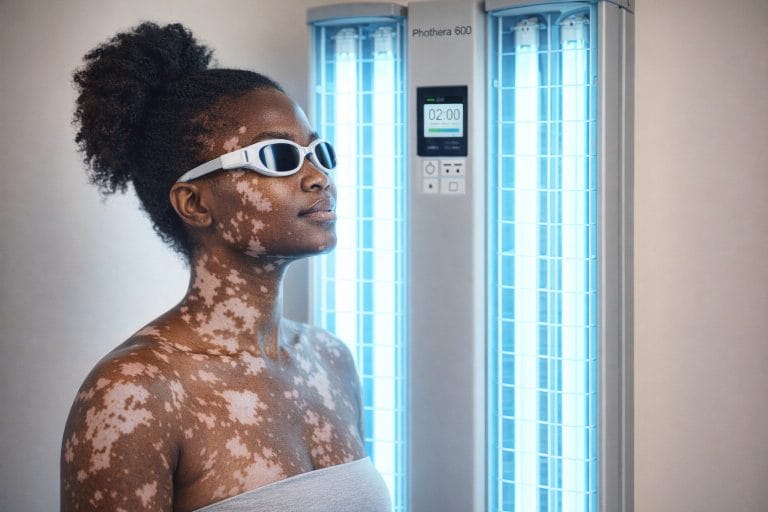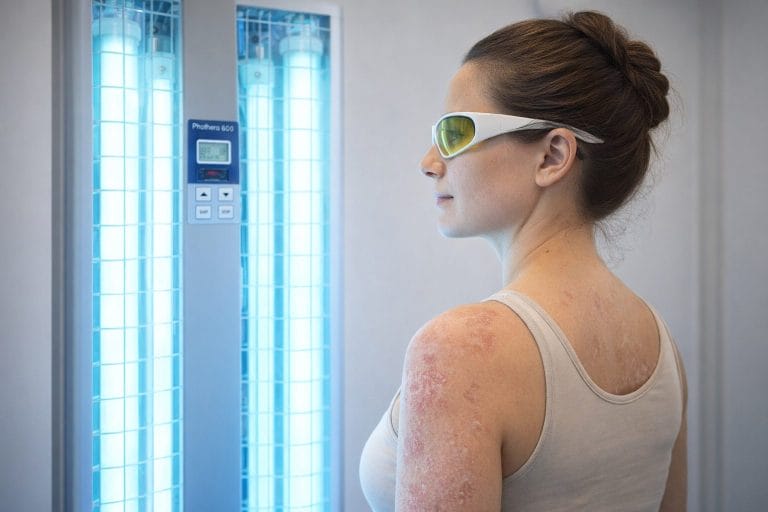
Living with vitiligo often comes with a lot of questions. Seeing your skin change can feel confusing, and you want clear, straightforward answers about what’s happening and what you can do about it. The science behind light therapy is actually less complicated than it sounds. It’s a targeted treatment that uses a specific wavelength of light to send two important signals to your skin: first, to calm the immune system’s mistaken attack on your pigment cells, and second, to wake up the dormant cells that can create new color. So, how does light therapy for vitiligo work? It’s a gentle but powerful process that creates a healthier environment for your skin to heal and repigment, addressing the condition at its source.
Key Takeaways
- Light therapy works by addressing the root cause: It calms the immune system to stop further pigment loss while simultaneously stimulating dormant cells to produce new color from within your skin.
- Consistency is the most critical factor for success: Seeing results is a gradual process that takes several months. Sticking to the treatment schedule prescribed by your doctor is the best way to achieve lasting repigmentation.
- This is a medical treatment requiring a doctor’s guidance: Phototherapy is a safe and effective option for many, but it requires a prescription and a partnership with your provider to create a personalized and safe treatment plan.
What is Vitiligo and How Does It Affect Your Skin?
If you’re living with vitiligo, you know it’s much more than a cosmetic concern. It’s a chronic condition that changes the way your skin looks, creating patches that have lost their color. These white patches appear when your skin stops producing melanin, the pigment that determines the color of your skin, hair, and eyes. While it can appear anywhere on the body, it often starts on the hands, feet, and face.
Understanding what’s happening beneath the surface is the first step toward finding an effective management plan. Vitiligo is fundamentally an autoimmune condition, meaning the changes you see on your skin are the result of a specific process happening inside your body. By getting to the root of the issue, we can better understand how treatments like light therapy aim to address it.
Understanding the Autoimmune Link
At its core, vitiligo is a chronic autoimmune condition. This means your immune system, which is supposed to protect you from outside invaders like germs, mistakenly targets your own healthy cells. In the case of vitiligo, the immune system singles out and attacks your melanocytes—the specialized cells responsible for creating skin pigment.
This internal mix-up is what leads to the visible signs of vitiligo. As the melanocytes are damaged or destroyed, they can no longer produce melanin, causing the skin in that area to lose its color. It’s not contagious, and it’s not just skin-deep; it’s a signal that your immune system is overactive in a very specific way.
The Science Behind White Patches
So, what exactly causes those distinct white patches? It all comes down to the melanocytes. Think of them as tiny pigment factories in your skin. When the immune system launches its attack, it disrupts these factories, leading to what’s known as oxidative stress and inflammation. This environment makes it impossible for the melanocytes to function properly.
Current treatment strategies focus on calming this immune response to stop the damage. The goal is to create a healthier environment where melanocytes are no longer under attack and can potentially start producing pigment again. By addressing the excessive immune activation that damages melanocytes, treatments can help halt the progression of vitiligo and, in many cases, encourage repigmentation.
What Kinds of Light Therapy Treat Vitiligo?
When it comes to light therapy for vitiligo, you have a few different options. The goal is always the same—to encourage your skin to produce pigment again—but the methods vary. The main differences lie in the type of light used and how it’s delivered to your skin. Understanding these approaches can help you and your doctor decide on the best path forward. Let’s look at the most common and effective types of phototherapy available.
Narrowband UVB (NB-UVB) Therapy
Narrowband UVB is often the first treatment doctors recommend for vitiligo. This therapy uses a very specific wavelength of ultraviolet B (UVB) light and is considered one of the safest and most effective options, even for children and pregnant women. NB-UVB works by calming the overactive immune response in your skin that causes vitiligo. At the same time, it stimulates your pigment-producing cells to wake up and start creating color again. It’s a gentle but powerful way to encourage repigmentation, making it a go-to for many people looking for innovative treatment options.
Excimer Laser Therapy
If you have smaller, localized patches of vitiligo, an excimer laser might be a great fit. This laser delivers a highly concentrated beam of UVB light directly to the affected spots, which is ideal for targeting small patches without exposing the surrounding healthy skin. It’s particularly useful for hard-to-treat areas like the face, ears, or genitals. Because the treatment is so focused, it can sometimes bring back pigment faster for those specific areas. It’s another effective tool your dermatologist might consider for treating localized vitiligo.
At-Home vs. In-Clinic Treatments
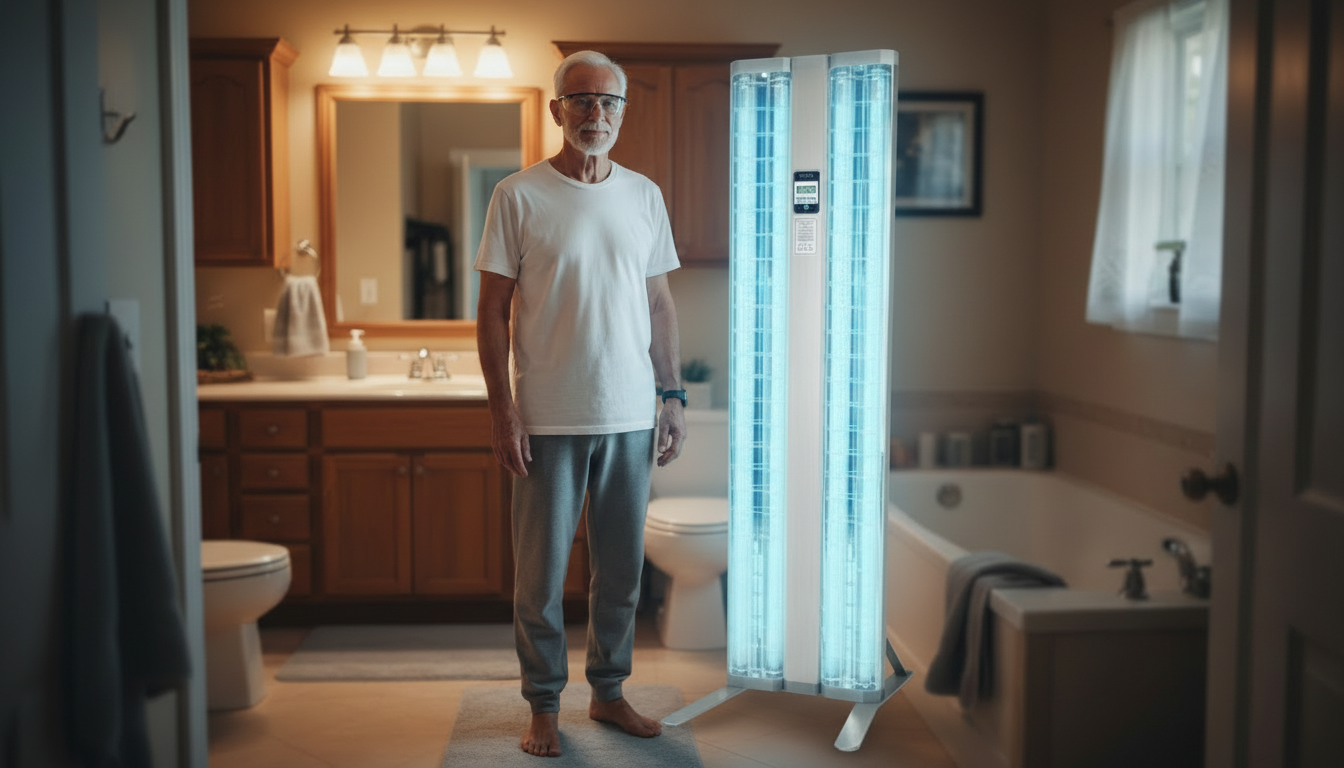
You can receive your light therapy at a clinic or at home. While clinic treatments are effective, the travel and time commitment can be a challenge. This is where home phototherapy offers a convenient and equally effective alternative. Studies show that at-home treatments are just as safe as in-clinic sessions, with similar side effects like mild redness or itching. The biggest advantage of treating at home is consistency. It’s much easier to stick to your schedule when the treatment is in your living room, which is key to seeing the best results.
How Does Light Therapy Bring Back Skin Pigment?
It can feel like a mystery when you see white patches on your skin, but the science behind light therapy is actually quite straightforward. Think of it as a three-part strategy to restore your skin’s natural color. The process doesn’t just cover up the patches; it works with your body’s own systems to encourage repigmentation from within. By using specific wavelengths of light, these innovative treatment options can wake up your pigment-producing cells, calm the autoimmune response that caused the pigment loss, and help that new color spread across the affected areas. Let’s break down exactly how it works.
Waking Up Your Pigment-Producing Cells
The cells responsible for your skin’s color are called melanocytes. In vitiligo, these cells have either been destroyed or have gone dormant. The good news is that many of these cells are still present, especially in your hair follicles, just waiting for a signal to get back to work. Narrowband UVB (NB-UVB) light therapy provides that signal. This targeted light penetrates the skin and stimulates the dormant melanocytes, essentially waking them up. This is the crucial first step in the repigmentation process, as it reactivates the very factories that produce your skin’s pigment.
Soothing the Immune System’s Response
Vitiligo is an autoimmune condition, which means your immune system is mistakenly attacking your healthy melanocytes. To achieve lasting repigmentation, you have to address this underlying autoimmune response. Light therapy helps calm this attack. NB-UVB light has an anti-inflammatory effect, reducing the specific immune cells and substances (called cytokines) that contribute to vitiligo. By soothing the immune system in the treated areas, phototherapy creates a safer environment for your melanocytes to survive and function properly, preventing further pigment loss and allowing repigmentation to begin.
Helping New Pigment Move into Place
Once your melanocytes are awake and the autoimmune attack has been quieted, the final step is for that new pigment to fill in the white patches. Your hair follicles serve as a reservoir for healthy, active melanocytes. Light therapy encourages these newly activated cells to migrate out of the hair follicles and travel into the surrounding depigmented skin. You might first notice this as small, dark spots appearing within a white patch, often around a hair. Over time, these spots grow and merge, gradually restoring color to the entire area.
Benefits and Success Rates of Light Therapy
When you’re considering a new treatment, you want to know two things: Does it work, and what will it be like? Light therapy has become a go-to for vitiligo because it addresses the condition at its source by calming the immune system. It’s a well-researched approach with a strong track record of helping people regain skin pigment safely and effectively. Let’s look at what you can expect from the process, how it stacks up against other options, and what it takes to maintain your results.
What Results Can You Realistically Expect?
Narrowband UVB (NB-UVB) is often considered a first-choice treatment for vitiligo because it works to calm the immune system and encourage new pigment-producing cells to grow. For many, this leads to visible repigmentation. Some studies show that targeted NB-UVB phototherapy can be an effective treatment option, with some people seeing the first signs of new color in as little as two weeks.
While everyone’s journey is different, the results are often lasting. Research has found that about 80% of patients maintained their repigmentation for a full year after stopping NB-UVB therapy. This shows that the results you work for have a good chance of sticking around long-term, making it a reliable path forward for many.
How Light Therapy Compares to Other Treatments
Phototherapy stands out as a leading treatment for vitiligo for several practical reasons. It’s considered a very safe option with manageable side effects. Compared to some other medical treatments, it can be more cost-effective, especially when you can perform treatments at home. This makes it a more accessible choice for long-term management.
Another major advantage is its ability to treat large areas of skin at once, which is difficult to achieve with topical creams or other localized therapies. Because of its safety profile and effectiveness, phototherapy for vitiligo has become a prominent and trusted method for achieving disease stability and helping bring back your natural skin color across different parts of the body.
How to Maintain Your Results
Consistency is the key to not only achieving repigmentation but also maintaining it. For many people, vitiligo treatment requires an ongoing commitment to keep the immune system calm and prevent new patches from forming. Your doctor will likely recommend a maintenance schedule to help you keep the progress you’ve made.
This is where home phototherapy can be particularly helpful. Having a device at home allows you to stick to a consistent schedule, such as treating on alternating days. This frequency can lead to faster repigmentation and may be safer than scheduling less frequent, higher-intensity sessions in a clinic. Working with your provider, you can create a sustainable plan that fits into your life and helps you maintain your results for years to come.
What Are the Potential Side Effects of Light Therapy?
Starting any new treatment comes with questions, and it’s smart to understand the potential side effects. The good news is that when used correctly under a doctor’s supervision, light therapy is considered a very safe option for vitiligo. Most side effects are mild, temporary, and limited to the skin being treated.
Think of it like starting a new fitness routine—you might feel a little sore at first as your body adapts. Similarly, your skin is adapting to the therapeutic effects of the light. Research shows there are few side effects, making it a trusted choice for many people working to bring pigment back to their skin. The key is to follow your treatment plan closely and keep an open line of communication with your healthcare provider.
Common Skin Reactions to Expect
After a light therapy session, it’s common to experience a reaction similar to a mild sunburn. You might notice some redness, stinging, or warmth in the treated areas. This redness usually goes away within a day. Your skin might also feel a bit dry or itchy as it responds to the treatment.
These reactions are typically a sign that the therapy is working at the right intensity. They are generally mild and shouldn’t interfere with your daily life. If the discomfort feels more intense than a slight sunburn, it’s a signal to let your doctor know so they can adjust your treatment time for your next session.
How to Manage Skin Sensitivity
Being proactive with your skin care can make your treatment experience much more comfortable. Your doctor will give you specific instructions, and following them is the most important step. Make it a habit to apply a gentle, fragrance-free moisturizer daily to combat any dryness.
After treatment, you’ll need to protect your skin from additional UV exposure. This means wearing a broad-spectrum sunscreen and protective clothing when you’re outdoors. It’s also crucial to learn how to use the device safely, especially with at-home phototherapy units, to ensure you get the best results without irritation.
When to Call Your Doctor
While most side effects are minor, you should always listen to your body and reach out to your doctor if something doesn’t feel right. Contact your healthcare provider if you experience any of the following:
- Skin redness or a burn that lasts for more than 24 hours
- Blisters or peeling skin in the treated area
- Flu-like symptoms, such as fever, chills, or nausea after a session
- Any signs of infection, like a swollen sore that won’t heal or has pus
Your doctor is your partner in this process. Reporting these symptoms allows them to adjust your treatment plan, ensuring your path to repigmentation is both safe and effective.
How Long Until You See Results from Light Therapy?
This is probably the first question on your mind, and it’s an important one. When you start a new treatment, you want to know when you can expect to see progress. With light therapy for vitiligo, the answer is that it’s a gradual process, and the timeline can be different for everyone. Factors like the location of your vitiligo, how long you’ve had it, and how consistently you follow your treatment plan all play a role. While it requires patience, seeing your natural skin pigment return is absolutely possible. The key is to stick with it and understand what to expect along the way.
Your Treatment Timeline: The First Few Months
Patience is your best friend during the first few months of light therapy. It takes time for the treatment to calm your immune system and encourage your pigment-producing cells to get back to work. Typically, phototherapy sessions are done two to three times a week, and it can take anywhere from three to six months to see noticeable changes. For some, the first signs of repigmentation might appear as small, freckle-like dots within the white patches. These are great indicators that the treatment is working. This initial phase is all about laying the groundwork for more significant results, so hang in there even if progress feels slow at first.
What to Expect for Full Repigmentation
Once you start seeing those first signs of pigment returning, it’s a sign that you’re on the right track. According to research on the efficacy of narrowband UVB therapy, while some people notice changes as early as the second week, achieving full repigmentation can take several months. These initial pigment “islands” will gradually grow larger and merge, slowly filling in the depigmented areas. It’s important to know that ongoing treatment is often needed to maintain your results and prevent new patches from forming. Think of it as a marathon, not a sprint, where steady commitment leads to lasting change.
Sticking to Your Treatment Schedule
If there’s one secret to getting the best results from light therapy, it’s consistency. Research on home phototherapy shows that people who stick to their prescribed treatment schedule are far more likely to see positive outcomes. Life gets busy, but missing sessions can slow down your progress. If you’re doing at-home treatments, try to make it a non-negotiable part of your routine. Set reminders on your phone, mark it on your calendar, or pair it with another daily habit. Tracking your progress with photos can also be a great motivator. By partnering with your doctor and committing to the plan, you give yourself the best possible chance for success.
Common Questions About Light Therapy for Vitiligo
Starting any new treatment can feel like a big step, and it’s completely normal to have questions. When it comes to light therapy for vitiligo, there’s a lot of information out there, and it can be tough to sort through it all. You might be wondering about how safe it is, whether your insurance will help cover the cost, or what it really takes to stick with the treatment at home. Let’s clear up some of the most common questions so you can feel confident and informed as you explore your options.
Myth vs. Fact: Safety and Effectiveness
One of the biggest myths about phototherapy is that it’s just like using a tanning bed. The truth is, they couldn’t be more different. Phototherapy uses a very specific, controlled wavelength of UVB light to treat your skin, making it one of the most effective treatments for chronic skin conditions like vitiligo. Unlike the broad-spectrum UV from tanning beds, medical light therapy is administered in a precise, therapeutic way. Misperceptions about safety are a common hurdle, but when prescribed and monitored by a healthcare provider, light therapy has a well-established safety profile built on decades of use.
Will Insurance Cover Your Treatment?
The cost of treatment is a practical and important concern for everyone. The good news is that phototherapy, including at-home devices, is often covered by insurance plans. Many insurers will cover home phototherapy when it’s prescribed by your provider, particularly if you’ve already tried other treatments like topical creams without success. The key is to get a prescription and work with your doctor’s office. They can help you submit the necessary paperwork for pre-authorization. It’s always a good idea to call your insurance company directly to understand the specifics of your coverage.
Tips for Sticking with At-Home Treatments
The biggest advantage of at-home phototherapy is convenience, which can make a huge difference in your ability to stay consistent. And consistency is everything. While at-home units may be less powerful than the ones in a clinic, their ease of use means you’re more likely to stick with your schedule. Some experts find that full-size units allow for more consistent treatment and better long-term results. To make it work, try integrating your sessions into your daily routine, like you would with any other habit. Set reminders on your phone and track your progress to stay motivated. Remember, every session is a step forward.
Is Light Therapy Right for You?
Deciding on a new treatment path is a big step, and it’s completely normal to wonder if light therapy is the right fit for your specific situation. While it has shown incredible promise for many people managing vitiligo and other autoimmune conditions, it’s not a universal solution. The best way to determine if you’re a good candidate is by having an open and honest conversation with your healthcare provider. They can review your medical history, discuss your goals, and help you weigh the potential benefits against any risks.
This decision is a partnership between you and your doctor. Together, you can explore how light therapy might fit into your overall wellness plan. Think of it as gathering all the information you need to make a confident choice. We’ll walk through some of the key factors to consider, from who typically sees the most success to situations where another approach might be better. This will help you prepare for that important conversation with your care team and feel more empowered in your health journey.
Who Sees the Best Results?
Light therapy can be a game-changer for many people with vitiligo. It’s often recommended because it’s a safe and effective way to treat large areas of skin without the systemic side effects of some medications. People who are consistent with their treatment schedule and follow their doctor’s guidance tend to see the most significant repigmentation.
The results can also be long-lasting. One study found that an impressive 80% of patients kept their new skin color for at least a year after stopping narrowband UVB (NB-UVB) treatments. This shows that the progress you make isn’t just temporary—it’s a real, sustainable change that can restore both pigment and confidence.
When Light Therapy Might Not Be an Option
While light therapy is a powerful tool, it isn’t the right choice for everyone. In some cases, vitiligo may not respond to light-based treatments, and it’s important to have realistic expectations from the start. Certain underlying medical conditions can also make phototherapy unsuitable. For example, if you have a history of severe sun sensitivity, skin cancer, or certain other autoimmune diseases like lupus, your doctor may advise against it.
This is why a thorough evaluation with your healthcare provider is so critical. They will help you understand if light therapy is a safe and viable option for you. If it’s not, they can guide you toward other treatments and support systems that are a better match for your health needs.
A Note on Age and Pregnancy
Many people wonder about the safety of light therapy during different life stages, and the good news is that it has an excellent safety profile. Narrowband UVB therapy is widely considered safe for pregnant women, children, and older adults. Because the light only penetrates the upper layers of the skin, it doesn’t pose a risk to a developing baby or have systemic effects that could be a concern for other age groups.
In fact, NB-UVB is often considered a first-choice treatment for children and pregnant women with vitiligo because it avoids the potential side effects of pills or strong topical creams. It offers a gentle yet effective way to manage the condition, providing peace of mind for you and your family.
How to Prepare for a Successful Treatment
Starting light therapy is a hopeful step, and you can do a few things to make the process as smooth and effective as possible. Going in with a clear understanding of the goals, the process, and the commitment involved will help you stay motivated and on track. Think of it as creating a personal roadmap for your treatment journey. By preparing mentally and logistically, you’re setting the stage for the best possible outcome and building a strong foundation for success with your healthcare team.
Set Yourself Up for Success with Realistic Goals
The main goal of light therapy for vitiligo is to bring back color to the white patches of skin. While many people see significant improvement, it’s important to know that results can be hard to predict and vary for everyone. Your aim should be to restore skin color or achieve a more even skin tone. Some areas of the body may respond better than others, and progress can be slow and steady rather than sudden. Setting these realistic expectations from the start helps you appreciate the small victories along the way and stay committed to your treatment plan, even when progress feels gradual.
Partnering with Your Healthcare Provider
Your treatment is a team effort, and your healthcare provider is your most valuable partner. They will create a plan tailored to you, which may involve more than just light. For instance, doctors often find that combining phototherapy with topical medications can lead to better results. Be open and honest with your provider about how your skin is reacting and any concerns you have. Remember that vitiligo treatment is typically ongoing. Consistent communication with your doctor ensures your plan can be adjusted as needed to keep you moving toward your goals safely and effectively.
Understanding the Commitment Involved
Consistency is the key to seeing results with light therapy. A typical schedule involves two to three sessions per week, and it can take three to six months before you start to see noticeable changes. Full repigmentation can take even longer. This is a marathon, not a sprint, so it’s important to be prepared for the long haul. Phototherapy for vitiligo is most effective when the condition is treated early, so sticking to your schedule right from the start gives you the best chance of success. Fitting treatments into your routine is a crucial part of the process.
Related Articles
- Best UV Lamp for Vitiligo: Top 4 Picks
- Phototherapy for Vitiligo Side Effects: What to Expect
- 5 Best UVB Light Therapy at Home for Vitiligo
Frequently Asked Questions
Is light therapy just a fancy tanning bed? Not at all. While both use UV light, they are fundamentally different. Tanning beds use a broad spectrum of UVA and UVB light to darken the skin. Medical phototherapy, on the other hand, uses a very precise and controlled wavelength of narrowband UVB light. This specific wavelength is chosen because it effectively calms the immune response in the skin and stimulates pigment cells without the unnecessary and more harmful exposure you’d get from a tanning bed.
What does a light therapy session actually feel like? During a session, you will likely feel a gentle warmth on your skin, but it shouldn’t be painful. Afterward, it’s common for the treated skin to look slightly pink or feel like you have a very mild sunburn. This reaction is normal and usually fades within 24 hours. It’s a sign that the light is working at a therapeutic level. If you ever experience anything more intense, like a painful burn or blistering, you should let your doctor know right away.
How do I know if the treatment is actually working? The first signs of success are often subtle, so it helps to know what to look for. You might start to see small, dark freckles appearing within the white patches, especially around hair follicles. These are your pigment-producing cells waking up and getting back to work. Over time, these small dots will grow larger and begin to merge, gradually filling in the area with your natural skin color.
Do I have to do the treatments forever to keep my results? Once you achieve the repigmentation you’re happy with, your doctor will likely transition you to a maintenance plan. This usually means reducing the frequency of your treatments to keep the autoimmune response calm and prevent new patches from appearing. The goal is to find the minimum amount of therapy needed to maintain your progress, so you won’t necessarily have to stick to the initial intensive schedule forever.
Can I use light therapy on sensitive areas like my face or hands? Yes, light therapy is frequently used to treat vitiligo on the face, hands, and other areas of the body. These areas can be challenging to treat, but they often respond well to phototherapy. For smaller or more targeted spots, your doctor might recommend an excimer laser, which delivers the light directly to the affected patch without exposing the surrounding skin.