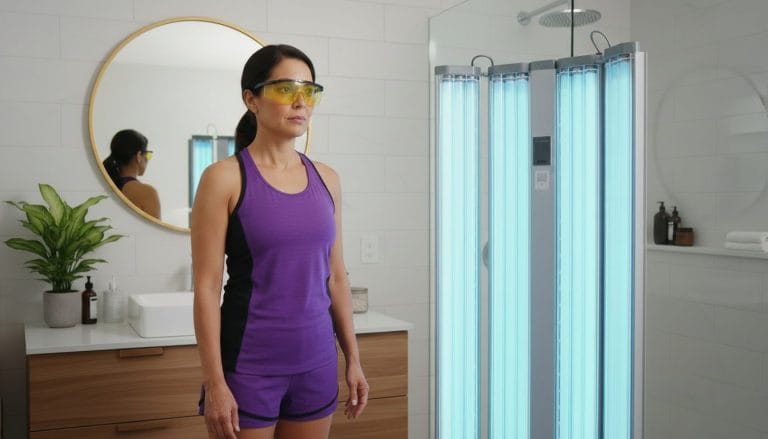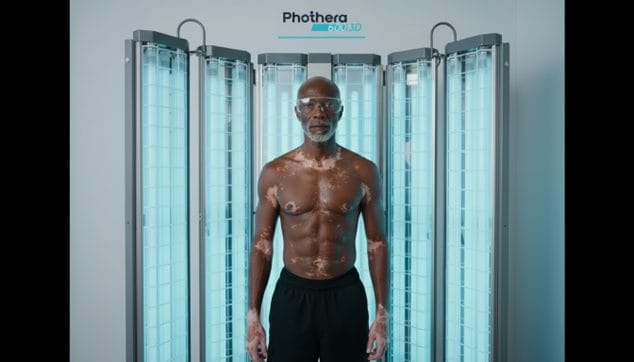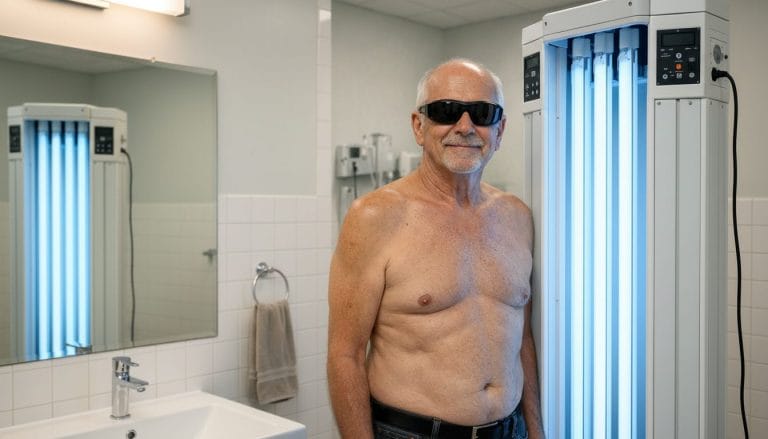
For those managing chronic skin conditions like psoriasis, vitiligo, and eczema, traveling to a dermatology clinic several times a week for UVB light therapy can be exhausting. Home phototherapy offers a compelling alternative—bringing a clinically proven treatment into your living room. This guide explores the benefits and drawbacks of at-home UVB treatment, the Phothera devices available through Cytokind, and what you need to know about safety and ease of use.
The Advantages of Home UVB Treatment
Home phototherapy eliminates the barriers that often derail treatment. The landmark LITE Study, a multi-year randomized clinical trial led by Dr. Joel Gelfand, found that patients using home-based phototherapy were more than 3 times more likely to maintain the recommended treatment frequency than those visiting clinics. The study results showed that 32.8% of patients using home-based phototherapy achieved clear or nearly clear skin, compared with 25.6% of those using in-office phototherapy.
Beyond adherence, home treatment offers significant cost and convenience benefits. Patients save time, money on transportation, and the stress of scheduling appointments around work and family obligations. Research confirms that home phototherapy is non-inferior to office-based treatment for plaque and guttate psoriasis across all skin types—including Fitzpatrick Skin Types V and VI, where the greatest efficacy was observed.
The Disadvantages to Consider
Despite its benefits, home phototherapy requires discipline and careful attention to safety protocols. Patients must take responsibility for proper eye protection, covering untreated skin areas, and following prescribed dosing schedules without direct supervision. The LITE Study did observe higher rates of skin redness among home phototherapy users, though no participants had to discontinue treatment due to adverse effects.
Home units also represent a significant upfront investment, and while operating costs are minimal (pennies per treatment), the initial purchase requires a prescription and medical oversight. Additionally, patients with severe or rapidly changing conditions may benefit from the immediate feedback a dermatologist provides during in-office sessions.
Phothera Lamps for At-Home Use
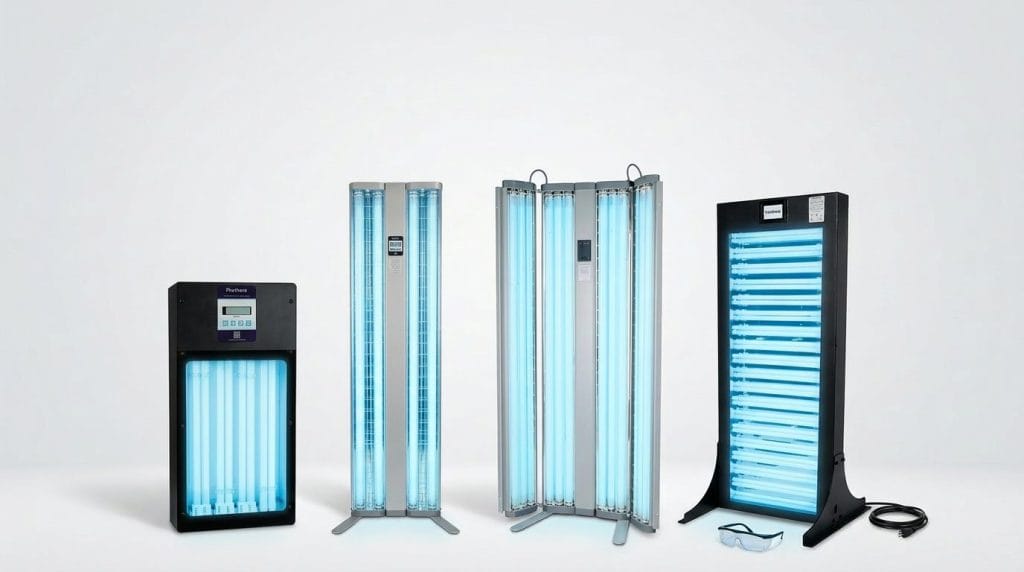
Cytokind offers a comprehensive range of FDA-cleared Phothera devices designed specifically for home use, each tailored to different treatment needs:
| Device | Best For | Key Features |
| Phothera 200 | Localized areas (hands, feet, face, shins) | Compact 22.5″ panel, 7 lbs, portable design, ClearLink™ touchscreen controller |
| Phothera 400 | Medium-sized areas | Mid-size panel for broader coverage than the 200 |
| Phothera 600 | Full-body or larger areas | Available with 4 or 6 lamps, 78″ height, optional integrating dosimetry system |
| Phothera 600-3D | Complete full-body treatment | Hexagonal booth design, uniform light distribution, fits through standard doorways when folded |
All Phothera devices utilize narrowband UVB (NB-UVB) technology—the same wavelength used in dermatology offices—and incorporate safety features like protective grids, UV-blocking eyewear, and programmable lock-out functions to prevent unauthorized use.
Is At-Home Use Safe?
Yes, when used as directed. NB-UVB phototherapy is considered a first-line treatment for psoriasis, vitiligo, and eczema due to its efficacy and long-term safety profile. The therapy is safe for pregnant women, children, the elderly, and immunocompromised patients. Unlike tanning beds, which use UVA wavelengths associated with increased skin cancer risk, NB-UVB targets a specific therapeutic wavelength (311 nm) with no proven scientific link to increased skin cancer risk when used appropriately.
To ensure safe at-home treatment, follow these essential guidelines:
- Obtain a prescription and treatment protocol from your dermatologist
- Wear UV-protective goggles during every session
- Cover untreated skin with clothing or towels
- Ensure all other persons vacate the treatment area during sessions
- Report persistent redness, blistering, or skin pain to your healthcare provider immediately
Are the Lamps Easy to Use?
Phothera devices are designed with user-friendliness as a priority. The ClearLink™ touchscreen controller guides patients through treatments with intuitive controls, ensuring precise delivery of prescribed doses. The Phothera 200 and 400 models are lightweight and portable—easy to move throughout your home or store when not in use.
Setting up a treatment space requires minimal effort: choose a private room with adequate ventilation, position the device away from other bright light sources, and follow your prescribed schedule. With the ClearLink® controller in Guided Mode, providers can remotely oversee patient progress, offering peace of mind while patients enjoy the convenience of home treatment.
For those considering home phototherapy, consulting with a healthcare provider to obtain a proper prescription and treatment protocol is the essential first step. With the right guidance and a quality device, managing chronic skin conditions from home can become a safe, effective, and empowering part of your healthcare routine.
We’re here to help you explore whether UVB light therapy might be right for your situation. Schedule a free consultation with our team, and we’ll provide you with detailed information about how UVB therapy works, what the research shows, and how to discuss this option with your medical provider.
This blog post is for informational purposes only and does not constitute medical advice. Individuals should consult with qualified healthcare providers before beginning any new treatment modality.