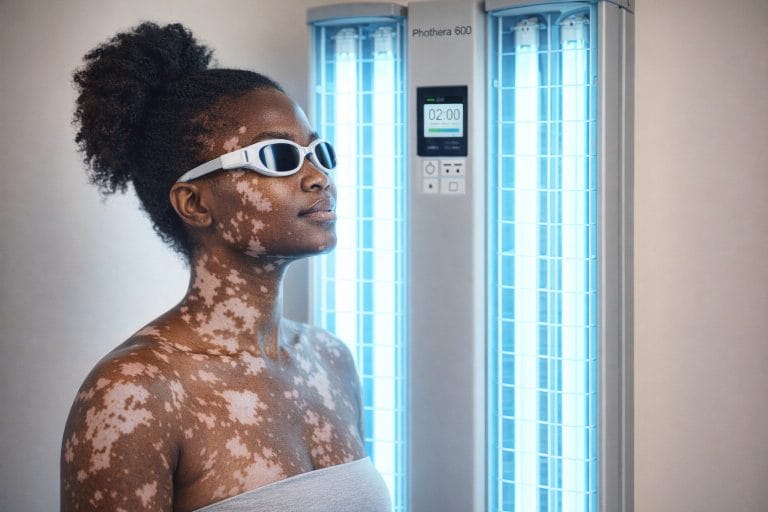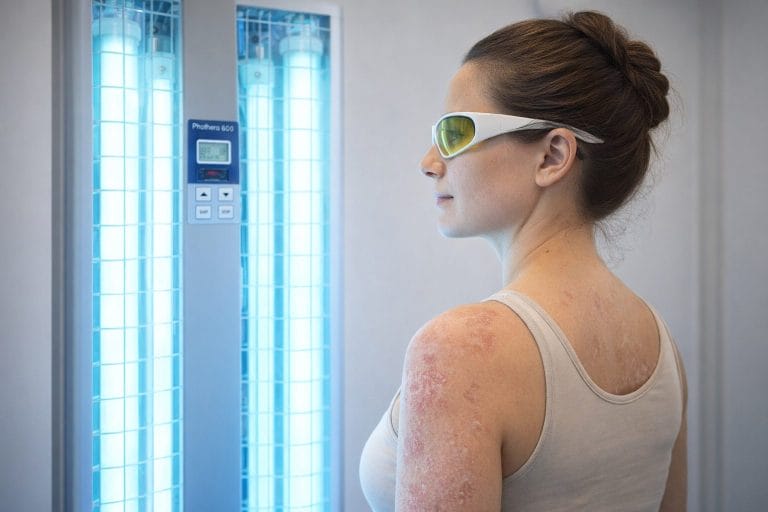
The idea of using light as medicine might sound like science fiction, but it’s a well-established treatment backed by decades of research. Specific wavelengths of light can communicate with your body’s cells, encouraging an overactive immune system to find balance. This is where a phototherapy bed comes in. It’s not a tanning bed; it’s a sophisticated medical device that delivers a precise, narrow band of UV light to your entire body. This targeted approach helps reduce the systemic inflammation at the heart of many autoimmune conditions. In this article, we’ll break down the science, explore the conditions it can help, and walk you through the practical steps of choosing the right system for your health goals.
Key Takeaways
- Focus on the right kind of light: Medical phototherapy is not the same as a tanning bed. It uses a specific, prescribed wavelength called narrowband UVB (NB-UVB) to help regulate your immune system and reduce inflammation throughout your body.
- Your doctor is your partner in this process: A prescription is non-negotiable for safe and effective phototherapy. Partnering with your provider ensures you get a personalized treatment plan and an FDA-cleared device, which is key for both your health and for insurance approval.
- At-home therapy makes long-term treatment manageable: The convenience of an at-home device helps you stay consistent with your prescribed plan without constant trips to a clinic. Plus, insurance often covers these FDA-cleared systems, making them a practical and cost-effective option.
What is a Phototherapy Bed and How Does It Work?
You’ve likely heard of phototherapy, but you might know it by its other name: light therapy. At its core, phototherapy uses specific wavelengths of ultraviolet (UV) light in a controlled, medical setting to create a therapeutic effect in the body. A phototherapy bed is a device designed to deliver this light treatment to your entire body at once, ensuring even and consistent exposure. It’s important to understand that this is not the same as a tanning bed. Tanning beds use a broad spectrum of UV light to darken the skin. Medical phototherapy beds, on the other hand, use a very precise, narrow range of light—typically narrowband UVB—that has been clinically shown to have healing properties. This targeted approach allows the light to interact with your body’s cells in a beneficial way, primarily by helping to calm an overactive immune system. For those of us looking for innovative treatment options for autoimmune conditions, understanding how this works is the first step toward seeing if it’s right for you.
Understanding the Different Types of Light Therapy
When we talk about UV light, we’re usually talking about two main types: UVA and UVB. Think of it this way: UVA light goes deeper into the skin, while UVB light primarily affects the top layer. While both can cause sunburn in excess, medical science has harnessed a specific type of UVB light for therapeutic use. This is called narrowband UVB (NB-UVB). The “narrowband” part is key. Instead of exposing your body to a wide range of UV rays, NB-UVB devices isolate a very specific wavelength of light that is most effective at treating inflammation. This precision maximizes the therapeutic benefits while minimizing the potential risks associated with broader UV exposure. It’s a targeted approach that delivers just the right kind of light needed to help your body heal.
How Narrowband UVB Calms the Immune System
For anyone living with an autoimmune condition, the words “inflammation” and “overactive immune system” are all too familiar. This is where NB-UVB phototherapy really shines. Research shows that this specific wavelength of light can calm down skin inflammation and regulate the immune response. Here’s how it works: When NB-UVB light is absorbed by the body, it helps to suppress the T-cells and other immune cells that are mistakenly attacking your body’s healthy tissues. By gently dialing back this overactive immune response, phototherapy can help reduce the systemic inflammation that is at the root of so many autoimmune symptoms. It’s not just masking symptoms; it’s working to bring your immune system back into a state of balance.
More Than Skin Deep: Uses Beyond Dermatology
While phototherapy is a well-established treatment for skin conditions like psoriasis and eczema, its benefits are not just skin-deep. Because it works by regulating the immune system, its effects can be felt throughout the body. For many, this means a reduced need for topical steroid creams, which can have unwanted side effects over time. The medical community has trusted light therapy for decades; it’s even a common and safe treatment for newborn jaundice. This history of safety and efficacy is now paving the way for new research. Scientists are currently exploring how the systemic, anti-inflammatory effects of NB-UVB phototherapy can help manage the fatigue and inflammation associated with conditions like Multiple Sclerosis, Long Covid, and Chronic Fatigue Syndrome.
What Conditions Can Phototherapy Beds Help With?
While many people first hear about phototherapy in a dermatology office, its applications go far beyond the skin. By using specific wavelengths of light to interact with the body’s immune system, phototherapy beds can address a range of health concerns, particularly those rooted in chronic inflammation. This isn’t just about treating what you see on the surface; it’s about creating a change from within. The science behind it is fascinating: specific light waves can communicate with your immune cells, encouraging them to calm down and function more normally. This interaction is key to its effectiveness.
From well-established treatments for chronic skin conditions to exciting new research into systemic autoimmune diseases, light therapy offers a unique approach to managing inflammation and restoring balance when other methods haven’t been enough. It represents a shift toward working with the body’s own systems to find relief, rather than just suppressing symptoms with medication. This is why it’s gaining attention for conditions where the immune system has gone haywire, causing problems throughout the body. Whether you’re dealing with visible skin irritation or the invisible burden of systemic fatigue, phototherapy presents a targeted, non-invasive path toward feeling better.
Soothing Systemic Inflammation from Autoimmune Disease
Living with an autoimmune disease often means dealing with systemic inflammation that affects your entire body, leading to persistent fatigue and discomfort. This is where phototherapy can make a real difference. Narrowband UVB light therapy works by calming an overactive immune response. The light interacts with immune cells in the skin, which then travel throughout the body, helping to reduce inflammation from the inside out. This approach gets closer to the root cause of symptoms, offering a promising path for those seeking innovative treatment options to manage their condition and reclaim their energy.
Clearing Skin Conditions like Psoriasis and Eczema
For decades, phototherapy has been a trusted treatment for chronic skin conditions. If you’ve struggled with the persistent inflammation and irritation of psoriasis or eczema, you know that topical creams don’t always provide enough relief. According to Cleveland Clinic, light therapy is a common and effective way to reduce these symptoms. It uses focused ultraviolet light to slow the rapid growth of skin cells in psoriasis and soothe the inflammation associated with eczema. For many, it’s a game-changing option when other treatments have fallen short, helping to heal the skin and provide lasting comfort.
Promising New Research for MS and Chronic Fatigue
The potential of phototherapy is expanding into new and exciting areas. Researchers are now exploring how its immune-calming effects could help with complex conditions like Multiple Sclerosis (MS), Long Covid, and Chronic Fatigue Syndrome. The common thread among these conditions is often debilitating fatigue and widespread inflammation. The theory is that by using narrowband UVB light to regulate the immune system, we might be able to address these core symptoms. As VCU Health explains, phototherapy is already proven to calm skin inflammation, and this research extends that principle to systemic conditions, offering hope for those underserved by current treatments.
What Should You Look for in a Phototherapy Bed?
When you’re exploring new treatments for an autoimmune condition, you want to feel confident you’re choosing an option that is both safe and effective. Phototherapy beds are powerful medical devices, and not all are created equal. From the specific type of light they use to their safety certifications, several key factors can make a world of difference in your treatment experience and results. Thinking through these features will help you and your doctor find the right device to help manage your symptoms and calm your immune system.
The Right Light: Wavelength and Spectrum
The most critical feature of any phototherapy device is the light it emits. The term “light therapy” can be broad, but for medical purposes, precision is everything. Effective phototherapy “uses bright, focused ultraviolet (UV) light to treat skin conditions” and other health issues. Different conditions respond to very specific wavelengths of light. For autoimmune conditions like psoriasis, vitiligo, and emerging research areas like MS, narrowband UVB (NB-UVB) is the gold standard. This specific slice of the UV spectrum has been clinically shown to have therapeutic effects on the immune system. When looking at a device, make sure it delivers the exact wavelength recommended for your condition.
Treatment Power and Coverage Area
For a treatment to be effective, especially for systemic inflammation, the light needs to reach the right places with the right intensity. A small, handheld device might be fine for a localized patch of eczema, but it won’t be practical for a condition that affects your entire body. This is where full-body phototherapy beds shine. A well-designed system ensures comprehensive coverage and an effective light delivery system for optimal outcomes. For instance, some of the most advanced neonatal systems use a special “‘3D Light Array’ and ‘Spectral Power Treatment’ to deliver light” evenly. This principle of total and consistent coverage is just as important when treating systemic autoimmune conditions in adults.
Why FDA Clearance and Safety Controls Matter
Safety should always be your top priority. Because phototherapy beds are medical devices, they should be subject to rigorous standards. Look for devices that have received FDA clearance, which indicates that the U.S. Food and Drug Administration has reviewed the device for safety and effectiveness for its intended use. For instance, the LightStim LED Bed was the first of its kind to get FDA clearance for pain relief. This type of regulatory approval is a crucial benchmark for quality. Additionally, a quality phototherapy bed will have built-in safety controls, such as precise timers and dosage controllers, to ensure you receive the correct amount of light therapy in each session and prevent overexposure.
The Importance of a Prescription and Doctor’s Guidance
You should never start phototherapy without a doctor’s supervision. This isn’t like using a sun lamp or a tanning bed. As VCU Health experts explain, “Phototherapy is a safe treatment when done by doctors. It uses specific light wavelengths and is carefully controlled.” A prescription is necessary to ensure that this treatment is appropriate for your specific health needs and won’t interfere with other medications or conditions. Your doctor will determine the right protocol for you, including the frequency and duration of your sessions. Working with a healthcare provider ensures your treatment plan is tailored to you, maximizing benefits while minimizing any potential risks.
What Are Your Phototherapy Bed Options?
Once you and your doctor decide that phototherapy is the right path, the next step is figuring out which device to use. The world of phototherapy includes a range of systems, from large, professional-grade units found in clinics to convenient devices you can use in the comfort of your own home. Making sense of these options can feel like a big task, but it’s all about matching the technology to your specific health needs and lifestyle.
Think of it like choosing fitness equipment. A professional gym has large, complex machines to serve many people, while a home gym has more compact, specialized gear for one person’s routine. Similarly, phototherapy devices are designed for different settings and purposes. Some are built for high-volume use in a medical office, while others are created to make it easy for you to stick to your treatment plan at home. We’ll walk through the main categories to give you a clear picture of what’s available, so you can have a confident and informed conversation with your provider.
Cytokind: FDA-Cleared Systems for Home and Clinic Use
When you’re managing a chronic condition, you need treatment options you can trust. Cytokind offers FDA-cleared narrowband UVB systems designed for both home and clinical use, giving you flexibility and peace of mind. Because they are FDA-cleared, you can be confident that the devices have been reviewed for safety and effectiveness. This is a critical factor when investing in your health.
These systems are specifically designed to provide the innovative treatment options that people with autoimmune conditions need. Whether you prefer the convenience of treating yourself at home on your own schedule or receiving therapy in a clinical setting, there’s a system that fits your plan. This versatility makes it easier to integrate phototherapy into your life consistently.
Professional-Grade Devices for Clinics
Phototherapy systems used in clinics and hospitals are built to be powerful and durable workhorses. These professional-grade devices are designed to treat a high volume of patients with precision and efficiency. For example, the Skylife neonatal system uses a special “3D Light Array” to treat jaundice in newborns, showcasing the kind of specialized technology available in a clinical setting.
While you might not need a device that complex, it’s helpful to know what this level of equipment offers. Clinical units often feature advanced controls, larger treatment areas, and specific light configurations to handle a wide variety of conditions. Your dermatologist or specialist may use one of these systems to administer your initial treatments or for periodic high-intensity sessions as part of your overall care plan.
Convenient At-Home Treatment Options
For many people managing a long-term autoimmune condition, consistency is key. That’s where at-home phototherapy devices truly shine. Having a unit at home removes barriers like travel time and scheduling appointments, making it much easier to stick with your prescribed treatment plan. According to the Cleveland Clinic, healthcare providers may recommend home treatment with specialized lamps or blankets for this very reason.
At-home systems are designed for ease of use, with simple controls and built-in safety features. They allow you to complete your sessions privately and comfortably, integrating treatment seamlessly into your daily routine. Of course, at-home therapy should always be done under the guidance of your doctor, who will provide a prescription and a detailed plan for your sessions.
How to Compare Different Brands
With a growing number of phototherapy devices on the market, it’s important to know what to look for. When you start to compare various brands, focus on a few key factors to ensure you’re choosing a high-quality system that’s right for you. First, consider treatment efficacy—is the device proven to be effective for your specific condition? Look for FDA clearance and clinical data.
Next, think about comfort and ease of use. A device that is comfortable and simple to operate is one you’re more likely to use consistently. Finally, check the safety features, such as controlled dosage and timers. Discussing these factors with your doctor will help you narrow down the options and select a phototherapy bed or lamp that aligns perfectly with your treatment goals.
Understanding the Benefits and Risks of Phototherapy
Like any medical treatment, phototherapy comes with its own set of benefits and considerations. Understanding both sides of the coin is the best way to have an informed conversation with your doctor and decide if it’s the right path for you. The goal is to feel confident and clear about how this therapy works, what to expect, and how to stay safe throughout your treatment journey. It’s all about arming yourself with the right information to take control of your health.
The Upside: Reducing Inflammation and Supporting Immune Health
At its core, phototherapy uses specific wavelengths of light to create a therapeutic effect in the body. You may have heard of it being used to treat skin conditions like psoriasis and eczema, where it’s incredibly effective at calming irritation that creams alone can’t manage. But its benefits go more than skin deep. For those with systemic autoimmune conditions, the real power of phototherapy lies in its ability to help regulate the immune system and reduce inflammation throughout the body. It’s one of the most promising innovative treatment options for people who need an alternative to or a supplement for other medications.
Fact vs. Fiction: Common Phototherapy Myths
One of the biggest myths is that phototherapy is the same as using a tanning bed. This couldn’t be further from the truth. Tanning beds use a broad, uncontrolled spectrum of UVA and UVB light. Medical phototherapy, on the other hand, is a highly controlled treatment that uses a very specific, narrow wavelength of light prescribed by a doctor to achieve a therapeutic outcome. It’s a precise medical tool, not a cosmetic one. You might also hear about different types of light, like red light therapy, which doesn’t use UV rays at all. Understanding these distinctions is key to seeing why phototherapy is an effective treatment for chronic conditions.
Staying Safe: Important Precautions to Know
Your safety is the top priority during phototherapy. Because this is a medical-grade treatment, it should always be managed by a healthcare provider who can create a plan tailored to you. A few simple precautions make the process safe and effective. First, protective eyewear is a must for both you and any practitioner administering the treatment. Second, it’s important to avoid other forms of UV exposure—like sunbathing or tanning beds—while you’re undergoing treatment. Think of your phototherapy session as your total recommended dose of UV light for that period. Following your doctor’s guidance ensures you get all the benefits without any unnecessary risks.
What to Expect with Long-Term Use
Patience is key when starting phototherapy, as results appear gradually. It takes several treatments to see improvements. Most people begin to notice changes after about six to eight sessions, but it can take fifteen or more treatments to experience the full benefits. Your doctor will work with you to establish a schedule and monitor your progress along the way. The good news is that when administered correctly, phototherapy has a strong safety profile for long-term use. With the right medical supervision, it can be a sustainable and effective way to manage your symptoms and improve your quality of life for years to come.
The Practical Side: Cost and Insurance Coverage
When you’re managing a chronic condition, the practical details of a new treatment—like cost and insurance—are just as important as how it works. Figuring out the financial side of things can feel overwhelming, but it doesn’t have to be a barrier to getting the care you need. Let’s walk through what you can expect when considering a phototherapy bed.
Breaking Down the Cost of Different Devices
The cost of phototherapy depends on whether you choose in-clinic sessions or an at-home device. Going to a clinic for treatment means paying per session, and the national average cost can range from around $40 to over $240 each time. If your treatment plan calls for multiple sessions a week, these costs can add up quickly. Purchasing an FDA-cleared, at-home phototherapy bed is a one-time investment that can be more cost-effective in the long run. Owning your device gives you the freedom to do treatments on your own schedule, without co-pays for every visit. Think of it as bringing a long-term, effective therapy directly into your home.
Will Insurance Cover Your Phototherapy Bed?
This is one of the most common questions, and the answer is often yes. Many people assume that an at-home medical device won’t be covered, but since phototherapy is a prescribed treatment for many autoimmune and skin conditions, insurance plans frequently cover it. This is especially true if you’ve already tried other treatments without success. Of course, coverage depends on your specific insurance plan and a diagnosis that establishes medical necessity. The best first step is to call your insurance provider and ask about their policy for home phototherapy equipment. Companies like Cytokind offer innovative treatment options that are prescribed by a doctor, which is exactly what insurance companies need to see to approve coverage. Having a prescription and a letter of medical necessity from your provider will be key to getting your device covered.
How to Get a Prescription and Find a Provider
To purchase an FDA-cleared phototherapy bed, you’ll need a prescription from a healthcare provider. This is a crucial safety measure that ensures you’re using the right type of light therapy for your specific condition and that a professional is overseeing your treatment plan. It also legitimizes the treatment in the eyes of your insurance company. Start by talking to the doctor who helps you manage your condition, whether that’s a dermatologist, rheumatologist, or neurologist. Explain that you’re interested in at-home phototherapy as a way to manage your symptoms. Many patients find that the travel and time required for in-office phototherapy are difficult to manage, making an at-home unit a much more practical solution. Your doctor can help determine if it’s the right fit and provide the prescription you need to move forward.
How to Choose the Right Phototherapy Bed for You
Finding the right phototherapy bed feels like a big decision, but it comes down to three key things: working with your doctor, deciding where you’ll do your treatments, and making sure the technology fits your health goals. Thinking through these points will help you and your care provider choose a path that makes sense for your life and your specific needs. It’s all about finding an effective, sustainable way to manage your symptoms and feel better.
Partnering With Your Doctor to Create a Treatment Plan
First things first: phototherapy is a medical treatment, not a wellness trend. It requires a doctor’s guidance to be safe and effective. Your provider will help create a personalized plan that outlines the right light dosage, frequency, and duration for your specific condition. This isn’t a one-size-fits-all approach. Phototherapy uses a specific type of ultraviolet light to calm inflammation, and getting the parameters right is crucial. Because these are powerful medical devices, you’ll need a prescription to purchase an FDA-cleared system. This ensures you’re using a device that’s been vetted for safety and that you have a professional guiding your journey toward feeling better.
At Home vs. In the Clinic: Which is Right for You?
You have two main options for treatment: going to a clinic or using a device at home. Clinic treatments offer direct medical supervision, but they also require you to travel for appointments several times a week. For anyone dealing with fatigue or a busy schedule, that can be a huge barrier. At-home phototherapy offers incredible convenience, allowing you to stick to your treatment schedule without leaving the house. Many people find it easier to be consistent when treatment fits seamlessly into their lives. Plus, home phototherapy is often covered by insurance when prescribed by a provider, making it a practical choice for long-term care.
Matching the Technology to Your Health Needs
Not all light therapy devices are created equal. The technology inside the bed is what really matters. For autoimmune conditions, you’ll want a system that uses narrowband UVB light, which is known for its ability to calm an overactive immune response. The goal is different depending on the condition. For skin issues like psoriasis, the light helps slow down rapid skin cell growth. For systemic inflammation, you need full-body coverage to help address symptoms throughout your body. When looking at your options, focus on devices designed specifically for your health needs and choose a system with the right light spectrum and power to help you reach your goals.
Related Articles
- Phototherapy – Safe & Effective Treatment for Psoriasis & Eczema
- Autoimmune Disease and Innovative Treatment Options – Cytokind
- Clinical NB-UVB Phototherapy: Advanced Care
- Home Phototherapy – Cytokind
- Cytokind Featured in Scientific American on Breakthroughs in UVB Therapy for Autoimmune Disease – Cytokind
Frequently Asked Questions
Is a phototherapy bed just a fancy tanning bed? Not at all. Think of it as the difference between a floodlight and a laser pointer. A tanning bed uses a broad, uncontrolled spectrum of UV light with the goal of darkening your skin. A medical phototherapy bed is a precise tool that uses a very specific, narrow wavelength of light—narrowband UVB—that is prescribed by a doctor to calm your immune system and reduce inflammation. It’s a targeted medical treatment, not a cosmetic device.
What does a phototherapy session actually feel like? A session is typically very simple and comfortable. You’ll lie in the bed for a short, prescribed amount of time, which is often just a few minutes. You will wear protective eyewear, and the machine will be programmed for your specific treatment. Most people just feel a gentle warmth from the lights. It’s a quick and painless process designed to be a calm part of your day.
How long will it take before I start to feel better? Phototherapy is a gradual process, so consistency is more important than speed. While every person’s body responds differently, many people begin to notice improvements after about six to eight sessions. It can take a month or more of regular treatments to experience the full benefits. Your doctor will help you track your progress and adjust your plan as needed to get the best results.
Why do I need a prescription for an at-home phototherapy bed? A prescription is essential because this is a powerful medical treatment. Your doctor needs to confirm that phototherapy is the right choice for your specific condition and create a safe treatment plan that includes the correct dosage and frequency. The prescription also ensures you are purchasing an FDA-cleared medical device, not a wellness gadget, which is a key factor for both your safety and for getting insurance coverage.
Will my insurance help pay for an at-home device? It’s very likely. Since phototherapy is a well-established medical treatment for many autoimmune and skin conditions, most insurance plans do offer coverage for at-home devices when they are deemed medically necessary. Having a prescription and a clear diagnosis from your doctor is the most important step in this process. The best course of action is to call your insurance provider directly to confirm the details of your specific plan.
🌟 Curious if a phototherapy bed is right for you?
Talk with our experts to understand the benefits and find the best solution for your needs.