Managing psoriasis often feels like a part-time job, filled with endless appointments and treatments that disrupt your life. If you’re tired of scheduling your days around trips to the dermatologist’s office, you should know there’s a more convenient way. Bringing clinical-strength treatment into your personal space is possible with at home UVB light for psoriasis. This isn’t about using a tanning bed; it’s about using a prescribed, FDA-cleared medical device to calm inflammation and clear your skin on your own schedule. Studies show that home phototherapy can be just as effective as in-office treatments, giving you the power to manage your condition without sacrificing your time. This guide will walk you through everything you need to know about this innovative treatment option.
Key Takeaways
- Calm Your Skin by Addressing the Root Cause: At-home UVB therapy works by slowing rapid skin cell growth and reducing the underlying inflammation that drives psoriasis. The convenience of home treatment makes it easier to stick with the consistent schedule needed to achieve clear skin and lasting results.
- Your Doctor is Your Co-Pilot for Safe Treatment: This is a powerful medical treatment that requires a prescription and professional guidance. Your doctor will create a personalized plan with specific exposure times and help you make adjustments, ensuring your path to clearer skin is both safe and effective.
- Follow a Simple Safety Checklist for Every Session: Maximize your results and minimize risks by making safety a habit. Always wear your UV-blocking goggles, cover or apply sunscreen to unaffected skin, and stick to the precise treatment times your doctor provides.
What is At-Home UVB Light Therapy for Psoriasis?
Light therapy, also called phototherapy, is a well-established treatment that uses specific wavelengths of ultraviolet (UV) light to manage psoriasis. When you have psoriasis, your immune system mistakenly tells your skin cells to grow too quickly, leading to the thick, itchy patches known as plaques. At-home UVB therapy brings this effective clinical treatment into the comfort and privacy of your own home, allowing you to manage your symptoms on a consistent schedule.
It involves regularly exposing your skin to UV light from a medical device. This isn’t the same as using a tanning bed; it’s a prescribed, controlled dose of light designed specifically to calm your skin. Even though you’re doing it at home, the entire process is supervised by your doctor, who will provide a prescription and a detailed treatment plan. This approach is one of several innovative treatment options that can help you find relief beyond traditional creams and medications. For many people, the convenience of home treatment makes it easier to stick with the plan, which is key to seeing long-term results and gaining more control over your condition.
How UVB Light Calms Psoriatic Skin
The power of UVB light lies in its ability to address the root of the problem. Psoriasis is driven by an overactive immune response that tells your skin cells to multiply too quickly. When your skin is exposed to UVB light, it essentially presses the brakes on this process. The light penetrates the skin and slows down the growth of these affected skin cells, which helps reduce the thickness and scaling of plaques. At the same time, it works on the immune cells in your skin, calming the inflammation that causes redness and itching. This dual action helps restore a more balanced environment, leading to clearer skin and less discomfort over time.
Narrowband vs. Broadband UVB: What’s the Difference?
When you hear about UVB therapy, you’ll likely come across two types: broadband and narrowband. Broadband UVB uses a wider range of ultraviolet light, while narrowband UVB uses a very small, specific part of the light spectrum. Research has shown that this targeted approach is often more effective. Narrowband UVB can clear psoriasis faster and may lead to longer remission periods between flare-ups. Because it’s more focused, you might also need fewer treatments per week compared to broadband. This efficiency and effectiveness are why most modern home phototherapy units, including those from Cytokind, use narrowband UVB technology. It delivers the therapeutic benefits of light while minimizing exposure to less effective rays.
How Does UVB Light Therapy Treat Psoriasis?
If you’re living with psoriasis, you know it’s more than just a skin condition. It’s an autoimmune response where your body’s signals get crossed, leading to inflammation and skin cells that multiply way too fast. While creams and ointments can help manage the surface, UVB light therapy works on a deeper level to address the root causes of your flare-ups. Think of it as a targeted reset button for your skin.
Phototherapy is a well-established treatment that uses specific wavelengths of ultraviolet (UV) light to calm the overactive immune response in the skin. When your skin is exposed to this therapeutic light, it triggers a series of changes in your skin cells and immune cells. This process helps to break the cycle of inflammation and rapid cell turnover that causes psoriatic plaques to form. Instead of just soothing the symptoms, you’re using light to change how your skin behaves. Cytokind is focused on these kinds of innovative treatment options that work with your body to restore balance. The goal is to achieve clearer skin and longer periods of remission, giving you back control.
Slowing Down Skin Cell Growth
One of the most frustrating parts of psoriasis is the rapid buildup of skin cells that creates thick, scaly plaques. In healthy skin, cells turn over about once a month. With psoriasis, this process can happen in just a few days. UVB light therapy directly intervenes by sending a “slow down” signal to the skin cells, or keratinocytes. By exposing the affected skin to a narrow band of UVB light, you can effectively slow down this rapid growth. This interruption gives your skin a chance to normalize, leading to plaques that are thinner, less scaly, and eventually fade. It’s a foundational step in clearing psoriatic skin.
Reducing Inflammation and Calming the Immune Response
That red, itchy, and often painful inflammation is your immune system in overdrive. UVB light therapy is a powerful anti-inflammatory treatment that works right where you need it most. The light penetrates the skin and has a calming effect on the overactive immune cells responsible for the inflammation. As the Arthritis Foundation explains, UVB light works by changing the behavior of these cells, which in turn reduces the redness, swelling, and itching associated with psoriasis. This helps your skin not only look better but feel much more comfortable, providing relief from the constant irritation.
Rebalancing Immune Cells in Your Skin
Beyond just calming inflammation, UVB light helps restore a healthier balance within your skin’s immune system. Your immune system has different types of cells, some of which trigger inflammation and others that suppress it. In psoriasis, the inflammatory cells are running the show. UVB therapy helps bring things back into equilibrium by promoting the development of regulatory T-cells. These are the “peacekeeper” cells that help dial down autoimmune reactions. By encouraging these helpful cells to thrive in the skin, UVB therapy helps your body regulate itself more effectively, leading to longer-lasting clearance and a more resilient skin barrier.
What Kinds of At-Home UVB Devices Are There?
When you and your doctor decide that at-home phototherapy is a good fit, the next step is figuring out which device is right for you. The best choice depends on how much of your skin is affected by psoriasis. You’ll find a few main types of units, from small handheld wands for targeted spots to larger panels for more widespread areas. Each is designed to deliver a precise, therapeutic dose of light. Let’s walk through the options so you can have a more informed conversation with your healthcare provider about what will work for your treatment plan.
Narrowband UVB Light Panels
Light panels are a popular choice for treating widespread patches of psoriasis on the torso, back, or legs. These at-home units typically use narrowband UVB, a specific wavelength of light proven to be effective for calming inflammation and slowing rapid skin cell growth. Because they cover a larger surface area, panels offer an efficient way to manage moderate psoriasis without treating each spot individually. They are designed to help you get the benefits of phototherapy treatment consistently in your own home, making it easier to stick with your doctor’s plan and see real progress.
Handheld UVB Units
If your psoriasis affects smaller, targeted areas, a handheld unit could be your best option. These compact devices are designed for treating specific spots on your hands, feet, scalp, or elbows. They give you precise control, allowing you to focus the therapeutic light exactly where it’s needed while avoiding healthy skin. Handheld units are convenient, easy to store, and perfect for managing localized flare-ups. They serve as an excellent tool for spot-treating stubborn patches as part of a comprehensive light therapy regimen prescribed by your doctor, giving you flexibility and control.
Full-Body UVB Cabinets
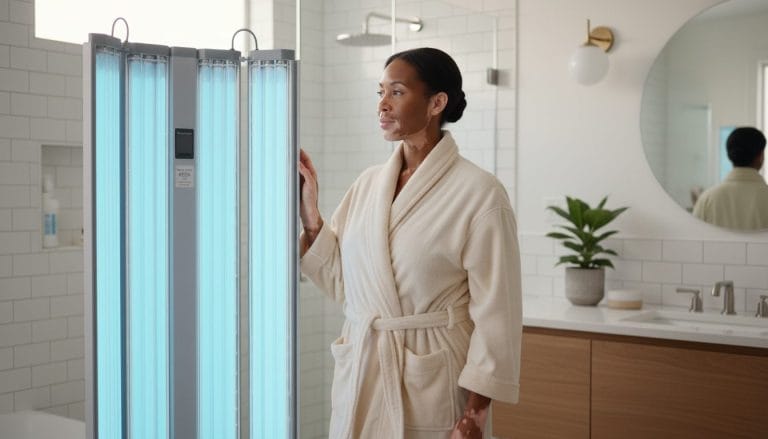
For individuals with extensive psoriasis covering most of their body, a full-body cabinet offers the most thorough at-home treatment. These are stand-up units, much like those in a dermatologist’s office, that treat your entire skin surface simultaneously. While they require more space and a larger initial investment, they provide maximum efficiency for widespread conditions. Doctors often recommend starting your treatment in a clinical setting to determine your optimal exposure times before you transition to using a full-body unit at home. This ensures you can continue your care safely and effectively under professional guidance.
Why You Need a Prescription for an FDA-Cleared Device
At-home UVB devices are powerful medical tools, not simple sun lamps. To ensure both safety and effectiveness, they are regulated by the FDA and require a prescription from your doctor. A prescription is necessary because a healthcare provider needs to determine the correct dosage and treatment schedule for your specific skin type and condition. This oversight helps prevent burns or improper use and ensures you’re using a calibrated, legitimate device. Working with your doctor is essential for achieving the best results and managing your psoriasis safely over time.
How Effective is At-Home UVB Therapy for Psoriasis?
When you’re managing psoriasis, finding a treatment that works and fits into your life is a top priority. The good news is that at-home UVB phototherapy is a highly effective and well-established option for many people. This isn’t an experimental treatment; it’s a standard of care that has become much more accessible. Research from institutions like Penn Medicine has shown that home phototherapy can give similar good results to treatments done in a clinic or hospital.
The effectiveness comes from the specific wavelength of light used in narrowband UVB devices. This light works to slow down the rapid growth of skin cells and reduce the inflammation that causes psoriasis plaques. By bringing this medical-grade technology into your home, you gain control over your treatment schedule, making it easier to get the consistent exposure needed to calm your skin and keep it clear. The key is using an FDA-cleared device under the guidance of your doctor to ensure both safety and the best possible results. This approach puts you in the driver’s seat of your own care, combining clinical-strength treatment with the comfort and convenience of being at home.
What Results Can You Expect?
While UVB therapy is not a cure for psoriasis, it can dramatically reduce your symptoms and improve the clarity of your skin. For some people, it can even clear the skin completely. A significant study found that 60% of patients who consistently used light therapy twice a week for 12 weeks had clear or mostly clear skin. This result was achieved by patients whether they received treatment at home or in a clinic. With the right device and a consistent schedule, you can expect a significant reduction in psoriasis plaques, less itching, and calmer, less inflamed skin. It’s about achieving long-term remission and getting back to feeling comfortable in your own skin.
At-Home vs. In-Office Treatments
A common question is whether you can get the same quality of treatment at home as you would in a doctor’s office. The research points to a resounding yes. A Penn Medicine study found that people with psoriasis can achieve clear skin using light therapy at home just as effectively as they can by going to a clinic. The biggest advantage of home treatment is convenience, which directly impacts your success. The same study revealed that patients treating themselves at home were more than three times more likely to keep up with their recommended treatment schedule. When you remove the barriers of travel, waiting rooms, and appointment times, it becomes much easier to stay on track.
Why Consistency is Key for Long-Term Success
Like any effective therapy, UVB treatment delivers the best results when you stick with it. The National Psoriasis Foundation emphasizes that being consistent with treatments is crucial for phototherapy to work well. Think of it like exercise—a few sessions here and there won’t create much change, but a regular routine builds momentum and leads to lasting success. It’s also important to maintain regular check-ups with your doctor. They can help you monitor your skin, track your progress, and make any necessary adjustments to your treatment times, ensuring you get the best possible outcome safely and effectively. This partnership is essential for your long-term skin health.
How to Use Your Home UVB Device Safely
Bringing your UVB light therapy home is an empowering step in managing your psoriasis. It puts you in control of your treatment schedule and allows you to find relief in the comfort of your own space. Like any effective medical treatment, using your device correctly is the key to getting great results safely. The good news is that the safety protocols are straightforward and easy to follow.
Think of it as building a new, healthy routine. It all comes down to a few core principles: protecting your skin and eyes, working closely with your healthcare provider, and keeping track of your progress. Your doctor will provide a personalized plan, and your role is to follow it with care. By taking these simple precautions, you can confidently use your device to calm inflammation and clear your skin, minimizing risks and maximizing the benefits of your innovative treatment. We’ll walk through exactly what you need to do to make your at-home phototherapy a safe and successful part of your wellness journey.
Protect Your Eyes and Healthy Skin
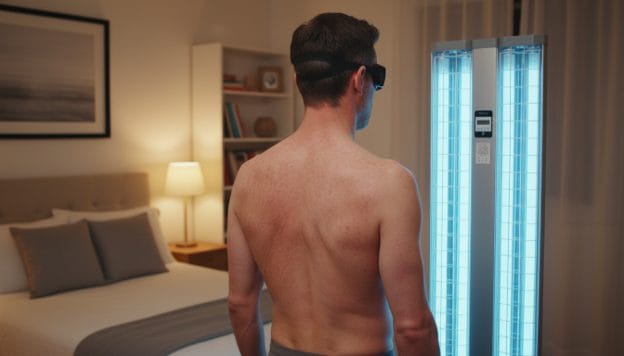
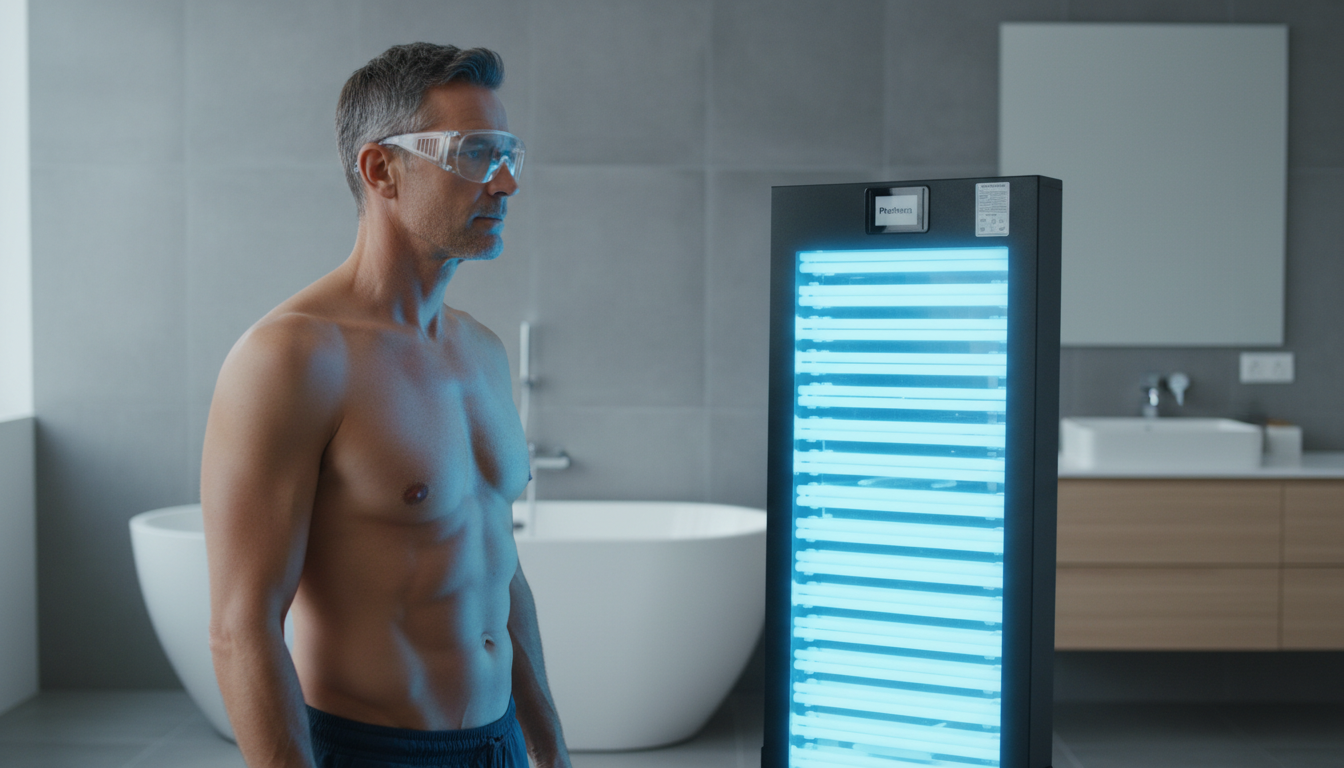
UVB light is powerful, which is why it works so well to treat psoriasis. It’s also why you need to protect the parts of your body that don’t need treatment. First and foremost, your eyes. Always wear the UV-blocking goggles that come with your device during every single session. Regular sunglasses are not enough to provide adequate protection. For your skin, identify any areas not affected by psoriasis that will be exposed to the light. You can either cover these spots with clothing or apply a broad-spectrum SPF 50+ sunscreen before you begin your treatment. This simple step ensures the light only targets the skin that needs it.
Work Closely with Your Doctor
Think of your doctor as your co-pilot on this journey. Your prescription is just the starting point. Your doctor will create a personalized treatment schedule based on your specific skin type, the severity of your psoriasis, and any other medications you might be taking. They will show you exactly how to use your device, determine your starting exposure time, and create a plan for gradually increasing it. It’s essential to stick to this plan and maintain open communication. If you have questions or notice any unusual skin reactions, they are your first call. This partnership is crucial for ensuring your treatment is both safe and effective.
Keep a Simple Treatment Journal
Keeping a simple log of your sessions is one of the most helpful things you can do. This doesn’t need to be complicated—a basic notebook or a note on your phone works perfectly. For each session, jot down the date, the duration of your treatment, and the areas you treated. It’s also a good idea to note how your skin looks and feels 24 hours later. This “UV diary” helps you stay consistent and provides valuable information for your doctor. If your skin becomes too red or uncomfortable, your log will help your doctor make precise adjustments to your treatment time, ensuring you stay in that sweet spot of effective, gentle treatment.
Shield Sensitive Areas During Treatment
Some areas of the body have thinner, more sensitive skin and require extra care. Unless your doctor has specifically instructed you to treat these areas, you should always protect your face and genitals during treatment. As with other unaffected skin, you can shield these areas with opaque clothing or a thick layer of SPF 50+ sunscreen. Taking a moment to cover up before you start your session is a non-negotiable part of a safe routine. This ensures that the therapeutic light is focused only where it’s needed, protecting your long-term skin health while you work to clear your psoriasis plaques.
Understanding the Risks and Side Effects
Like any effective medical treatment, at-home UVB therapy has potential risks and side effects. The good news is that most are mild and manageable, especially when you work closely with your healthcare provider. Understanding what to look for is the first step in ensuring your treatment is both safe and successful. Your doctor will create a personalized plan to minimize these risks, but it’s helpful for you to know what’s normal and when to reach out for guidance. These innovative treatment options put you in control, and being informed is part of that process. Let’s walk through the common side effects and how you can protect your skin for the best possible results.
Common Short-Term Side Effects
The most common side effect you might notice is a mild, sunburn-like reaction after a session. Your skin might look a little pink, feel warm, or be slightly itchy and dry. This is usually a sign that your exposure time was a bit too long, and it can be easily corrected by adjusting your next treatment. In rare cases, more significant blistering can occur, which is why it’s so important to start with a low dose and increase it slowly under your doctor’s direction. These effects are temporary and typically resolve as your skin adapts to the therapy.
What to Know About Long-Term Skin Health
It’s natural to have questions about the long-term effects of UV light on your skin. While prolonged exposure to UV radiation is linked to an increased risk of skin cancer, it’s important to distinguish between different types of light therapy. Studies on narrowband UVB phototherapy—the specific type used in modern, FDA-cleared home devices—show that it does not significantly increase this risk when used correctly. This is a key reason why using a prescribed device and following a medically supervised treatment plan is non-negotiable. It ensures you get the therapeutic benefits while protecting your long-term skin health.
How to Spot and Prevent Overexposure
Preventing overexposure is all about following your treatment plan carefully. Your doctor’s instructions are your most important tool for safety. Always wear the protective eyewear that comes with your device during every single session. For areas of your skin that don’t have psoriasis, you can cover them with clothing or apply a broad-spectrum SPF 50+ sunscreen before treatment. If your skin becomes painful, tender, or develops blisters, that’s a clear sign of overexposure. Stop your treatments and contact your doctor right away. They can help you adjust your schedule so you can get back on track safely.
How to Choose the Right At-Home UVB Device
When you’re ready to find an at-home UVB device, the options can feel a bit overwhelming. But making the right choice comes down to focusing on a few key things: safety, effectiveness, and guidance. The goal is to find a device that fits your treatment plan and that you can use confidently and consistently. Think of it as investing in a tool that will become a core part of your wellness routine, one that empowers you to take an active role in managing your health right from your own home. This decision is about more than just buying a product; it’s about committing to a treatment that can bring real relief.
The most important step is to work closely with your healthcare provider. They can help you determine the right type of device for your specific needs and, most importantly, provide the required prescription. All legitimate home phototherapy units require a doctor’s prescription to ensure you receive a safe, FDA-cleared device and the proper instructions for using it. This isn’t just a formality; it’s a critical safety measure. Your doctor’s oversight ensures your treatment starts correctly and can be adjusted as you progress. This partnership is essential for getting the best results while protecting your skin and overall health.
Key Features to Look For
When comparing devices, your first focus should be the type of light it emits. Most modern at-home units use narrowband UVB light, which is effective on its own without requiring any photosensitizing medications. This is the gold standard for home treatment. You’ll also want a device that comes with clear instructions and built-in safety features, like a timer that prevents overexposure. Your doctor will walk you through how to use the device, how long your sessions should be, and how to protect sensitive areas. This guidance is just as important as the device itself.
Explore Cytokind’s FDA-Cleared Solutions
At Cytokind, we offer a range of innovative treatment options designed for safe and effective at-home use. Our devices are FDA-cleared, which means they meet strict standards for safety and performance. Studies have shown that at-home light therapy can be just as effective as treatments received in a doctor’s office, giving you the power to manage your condition from the comfort of your own home. By bringing clinical-grade technology into your personal space, you can maintain a consistent treatment schedule without the hassle of frequent appointments, making it easier to stick with your plan and see long-term results.
Understanding Cost and Insurance Coverage
The cost of at-home phototherapy devices can vary quite a bit, from smaller handheld units for targeted areas to larger full-body panels. Before making a purchase, it’s a great idea to check with your insurance provider about your coverage. Many plans, including Medicare, may help cover the cost if your doctor confirms the device is medically necessary for your condition. Getting this information upfront can make the treatment much more accessible. Don’t hesitate to ask the device manufacturer if they offer payment plans or assistance with the insurance process.
What to Expect When You Start At-Home UVB Treatment
Starting any new treatment can feel a little overwhelming, but at-home UVB therapy is a straightforward process when you know what to expect. Think of it as a partnership between you, your doctor, and your new device. The journey begins with a conversation with your healthcare provider and ends with you confidently managing your treatment schedule from the comfort of your home. It’s all about taking it one step at a time. From securing your prescription to tracking your progress, each phase is designed to ensure your treatment is both safe and effective. This approach helps you get the most out of your therapy while minimizing risks.
Knowing the road ahead can make all the difference. It replaces uncertainty with a clear plan, empowering you to take an active role in your own care. When you understand why a prescription is necessary, how to stick to your schedule, and what to look for as your skin responds, you’re better equipped for success. This isn’t just about using a device; it’s about integrating a powerful therapy into your life in a sustainable way. We’ll walk you through exactly what these steps look like, so you can feel prepared and in control as you explore innovative treatment options for your autoimmune condition and work toward calmer, healthier skin.
Getting Your Prescription and Setting Up
Your first step is to talk with your doctor. An at-home UVB device is a medical tool, not a tanning bed, which is why you need a prescription to purchase an FDA-cleared unit. This is a crucial safety measure. Your doctor will evaluate if home phototherapy is right for you and write a prescription that includes a personalized treatment plan. This plan will detail your starting exposure time, how often to treat, and how to gradually increase your sessions. They’ll also give you important instructions on protecting your eyes and other sensitive areas. Once your device arrives, setting it up is usually as simple as plugging it in and getting familiar with the controls.
Following Your Treatment Schedule
Once you’re set up, consistency is your best friend. Your doctor will likely recommend a schedule of two or three sessions per week to start. It’s important to stick to this plan as closely as possible for the best results. Think of it like exercise—sporadic sessions won’t be nearly as effective as a regular routine. You should also wait at least 24 hours between treatments. This gives your skin the time it needs to recover and respond to the light therapy. To make it easier, try linking your treatment time to an existing habit, like right after your morning coffee or before you settle in to watch TV at night.
Tracking Your Progress and Making Adjustments
As you begin treatment, paying attention to your body’s response is key. This is a collaborative process with your doctor, even when you’re treating at home. Keep a simple log in a notebook or on your phone to track your session dates, exposure times, and any changes you notice in your skin or overall symptoms. This information is incredibly valuable for your follow-up appointments. Regular check-ins with your doctor are essential to make sure the treatment is working as it should. They’ll use your feedback and their observations to make any necessary adjustments to your plan, ensuring you continue to treat safely and effectively. If you miss several treatments, don’t just guess your next exposure time—check with your doctor first.
Is At-Home UVB Light Therapy Right for You?
Deciding on a new treatment path is a big step, and it’s natural to wonder if bringing phototherapy into your home is the right move. While it offers incredible convenience and effectiveness for many, it’s not a one-size-fits-all solution. The key is to understand where you are in your treatment journey and to have an open conversation with your doctor. Let’s walk through who typically benefits most from at-home UVB therapy and when it might be better to explore other options.
Who is a Good Candidate for Home Treatment?
If the thought of frequent trips to a clinic feels overwhelming, you’re not alone. The good news is that at-home phototherapy can deliver results that are just as good as treatments done in a doctor’s office. In fact, a study from Penn Medicine found that people with psoriasis can achieve clearer skin using light therapy at home. The convenience factor is a huge plus—patients getting home treatment were found to be more than three times more likely to stick with their recommended schedule. This consistency is crucial for seeing real, lasting improvement. If you’re looking for innovative treatment options that fit into your life, at-home UVB therapy could be an excellent fit.
When to Consider Other Psoriasis Treatments
At-home UVB therapy is a powerful tool, but it’s important to know when it’s the best choice. Phototherapy is often recommended when topical treatments like creams and ointments haven’t provided enough relief. However, you should generally avoid light therapy if you have a condition that causes photosensitivity, like lupus, or if you have a personal history of melanoma. It’s also typically not the first choice if your psoriasis is already well-controlled with other strong medications, such as biologics. The best approach is always a personalized one, so be sure to discuss your full health history with your doctor to determine the safest and most effective psoriasis treatments for you.
Related Articles
- Phototherapy – Safe & Effective Treatment for Psoriasis & Eczema
- Home Phototherapy – Cytokind
- Clinical NB-UVB Phototherapy: Advanced Care
- Your Guide to Safe UVB Light Therapy at Home
- Safe NB-UVB Phototherapy Devices for Home & Clinical Use
Frequently Asked Questions
How long does it typically take to see results from at-home UVB therapy? While everyone’s skin responds differently, many people start to see a noticeable improvement in their psoriasis plaques within the first month of consistent treatment. Significant clearing often occurs within two to three months. The key is to stick to the treatment schedule your doctor provides, as the positive effects build up over time.
Can I use at-home UVB therapy with my other psoriasis creams or medications? Yes, phototherapy is often used in combination with other treatments like topical creams. However, it’s essential to discuss your entire treatment regimen with your doctor. Some topical medications can make your skin more sensitive to light, so your doctor will give you specific instructions on when and how to apply them in relation to your light therapy sessions to ensure your skin stays safe.
Is at-home UVB light therapy safe for long-term use? When you use an FDA-cleared device under the supervision of a doctor, narrowband UVB therapy has a well-established safety profile for long-term management of psoriasis. The risks are minimized because you are using a specific, therapeutic wavelength of light for a controlled amount of time. This is very different from the uncontrolled exposure you’d get from the sun or a tanning bed. Regular check-ins with your doctor are a crucial part of maintaining your long-term skin health.
What happens if I miss a scheduled treatment? Life happens, and you might miss a session now and then. If you miss just one treatment, you can typically resume your normal schedule without any changes. However, you should never try to make up for it by doubling your exposure time, as this can cause a burn. If you miss several treatments in a row, it’s important to contact your doctor before you start again, as they will likely need to adjust your treatment time to safely reintroduce your skin to the light.
Why can’t I just use a regular sunlamp or a tanning bed instead? Medical phototherapy devices are not the same as tanning beds or sunlamps. Tanning beds emit mostly UVA light, which is less effective for psoriasis and is associated with higher long-term risks. At-home UVB devices are FDA-cleared medical tools that deliver a very specific, therapeutic wavelength of light in a precise, controlled dose prescribed by your doctor. This ensures you get the benefits for your skin while minimizing potential harm.