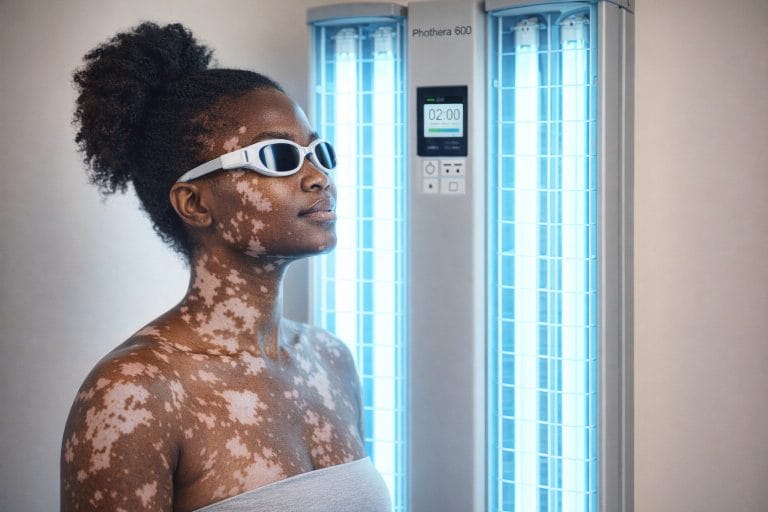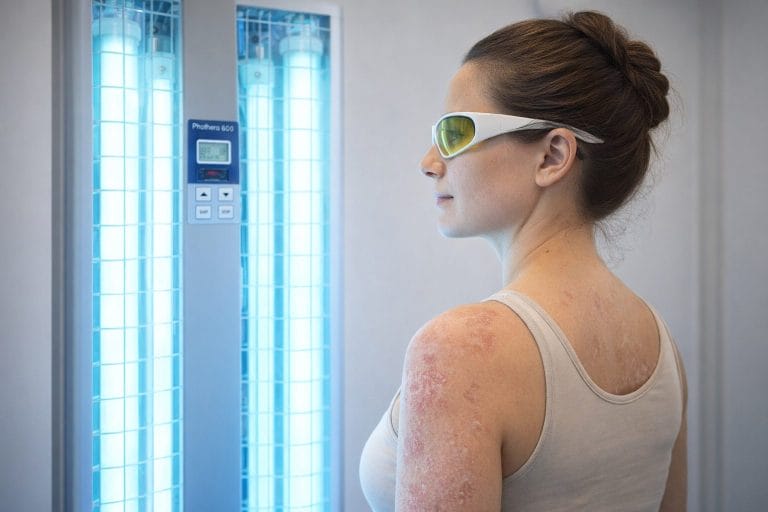
For decades, light therapy has been a trusted tool for managing tough skin conditions like psoriasis and eczema. But the science is showing us that its benefits don’t stop at the skin. The same mechanisms that calm inflammation on the surface can also help address the systemic, body-wide inflammation and fatigue associated with other autoimmune diseases. Researchers are now exploring how dermatologist prescribed phototherapy at home can become a vital tool for conditions like Multiple Sclerosis and Long Covid. This represents an exciting shift, offering a safe, non-drug approach to managing the root causes of chronic illness, not just the symptoms.
Key Takeaways
- A Doctor’s Prescription is Non-Negotiable: This is a medical-grade treatment, and a provider’s guidance is essential to create a safe, personalized plan with the correct light dosage and schedule for your specific condition.
- Get Clinic-Quality Treatment on Your Schedule: Home phototherapy offers the same effectiveness as in-office sessions, making it a convenient and often more affordable way to manage chronic conditions like psoriasis, eczema, and vitiligo long-term.
- Success Hinges on Routine and Communication: Sticking to your prescribed schedule and tracking your progress to share with your doctor are the most important things you can do to ensure your treatment is working effectively.
What is Prescription Phototherapy?
If you’re exploring new ways to manage a chronic condition, you may have come across the term “phototherapy.” Put simply, prescription phototherapy is a treatment that uses a special kind of light, usually ultraviolet (UV) light, from a medical device to treat health issues right from your home. Think of it as a non-drug approach to calming your body’s inflammatory responses, which is a game-changer if you’re looking for alternatives or additions to medication. It’s particularly helpful for people who need consistent, long-term care for conditions like psoriasis, eczema, and vitiligo.
The “prescription” part is key. In the United States, you need a doctor’s prescription to get a home phototherapy unit. This isn’t just a bureaucratic hoop to jump through; it’s a crucial safety measure that puts your health first. Your doctor will determine the right type of light and treatment schedule for your specific needs, ensuring you get the benefits while minimizing any risks. This partnership between you and your provider is what makes at-home treatment both safe and effective. It’s one of the most accessible innovative treatment options available for managing chronic autoimmune conditions that affect the skin and, increasingly, the entire body.
How Narrowband UVB Light Works
When we talk about phototherapy, one of the most effective and widely used types is Narrowband UVB (NB-UVB) light. This isn’t the same as the broad-spectrum light you get from the sun or a tanning bed. NB-UVB uses a very specific, therapeutic wavelength of light to achieve its effects. For skin conditions like psoriasis, this light works by helping to slow down the rapid growth of skin cells that causes plaques and inflammation. For conditions like vitiligo, it can help stimulate the skin to regain its natural color. Because it’s so targeted, NB-UVB is considered a very safe option, with studies showing it has a much lower risk of causing skin cancer compared to older forms of UV treatment.
Types of At-Home Phototherapy Devices
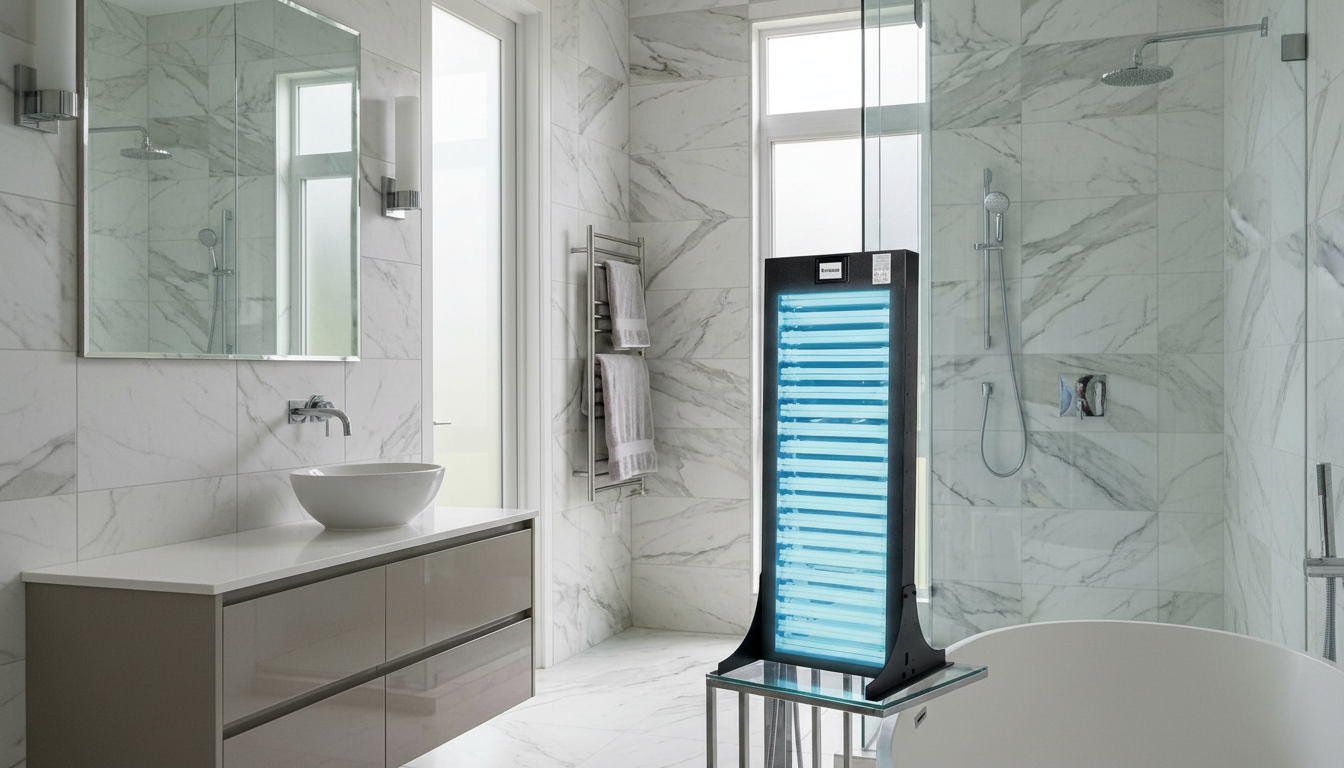
Getting started with home phototherapy means finding the right device for your needs, and thankfully, you have options. The equipment can range from small, handheld wands designed to treat tiny spots to larger, flat-panel units for areas like your back or legs. For those who need full-body treatment, there are even cabinets you can stand inside. This versatility means you can find a setup that fits your specific condition, your space, and your lifestyle. According to a review of available devices, a practical approach to home phototherapy involves choosing from a few trusted brands that offer a range of sizes and features, ensuring you can find the perfect match for your treatment plan.
Which Conditions Does Home Phototherapy Treat?
For decades, phototherapy has been a trusted tool used by dermatologists to manage tough-to-treat skin conditions. What many people don’t realize is that you can access this same technology from the comfort and privacy of your own home. Home phototherapy isn’t a lesser version of what you’d get in a clinic; it’s a powerful, effective way to manage chronic conditions tied to an overactive immune response. It has a long history of success and is considered a safe and affordable option for long-term care.
The primary type of light used is narrowband UVB (NB-UVB), a specific wavelength of ultraviolet light that has been shown to calm inflammation and slow down the rapid cell growth seen in certain skin diseases. It works by targeting the specific immune cells in the skin without affecting the surrounding healthy tissue. This precision makes it a highly effective treatment for autoimmune skin diseases. While it’s most known for treating skin issues, researchers are now exploring how its anti-inflammatory effects can help with systemic conditions that go far beyond the skin. Let’s look at some of the most common conditions treated with at-home phototherapy.
Psoriasis and Psoriatic Arthritis
If you live with moderate to severe psoriasis, you know how challenging it can be to find a treatment that works consistently. Home UVB phototherapy is a safe and highly effective way to manage plaques and reduce inflammation. In fact, research shows that home phototherapy can be just as effective as the sessions you’d get in a doctor’s office. A typical schedule involves treatments three to five times a week. You’ll start with very short sessions, sometimes just a few seconds, and gradually increase the duration as your skin adapts. This consistent exposure helps to clear existing plaques and keep new ones from forming.
Atopic Dermatitis and Eczema
For those dealing with the persistent itch and inflammation of atopic dermatitis, or eczema, phototherapy can bring significant relief. Think of it as a controlled, safe dose of sunlight that specifically targets the immune response in your skin. The narrowband UVB light helps to calm the inflammation that causes redness and itching, giving your skin a chance to heal. It’s a valuable option, especially for those who want to find an effective, non-steroidal approach to managing their eczema long-term. Regular, consistent sessions can help reduce the frequency and severity of flare-ups, making your skin more resilient over time.
Vitiligo
When it comes to treating vitiligo, the goal is to encourage repigmentation, and narrowband UVB phototherapy is one of the most effective methods for doing just that. It works by stimulating the pigment-producing cells in your skin (melanocytes) to begin producing color again. Narrowband UVB is often the first choice for treating vitiligo because of its proven success rate and safety profile. While it requires patience and consistency, many people see a gradual return of their natural skin tone in treated areas, making it a cornerstone of modern vitiligo management.
Beyond the Skin: New Uses for Systemic Conditions
The benefits of phototherapy may not stop at the skin. Because narrowband UVB light has a powerful ability to calm the immune system, researchers are actively exploring its potential to treat systemic autoimmune conditions. The same mechanism that reduces skin inflammation may also help reduce the body-wide inflammation and fatigue associated with diseases like Multiple Sclerosis, Long Covid, and Chronic Fatigue Syndrome. This is an exciting frontier in medicine, offering a safe, effective, and affordable approach to managing complex conditions. At Cytokind, we are at the forefront of this research, exploring these innovative treatment options to help people find relief.
The Pros and Cons of At-Home Phototherapy
Thinking about starting phototherapy at home? It’s a big decision, and like any treatment, it comes with its own set of benefits and considerations. The idea of managing your health from the comfort of your own space is appealing, but it’s important to have a clear picture of what that really involves. Let’s walk through what you can expect, so you and your doctor can decide if it’s the right path for you.
The Upside: Convenience and Consistency
One of the biggest wins for at-home phototherapy is convenience. When you have a medical device at home, you can say goodbye to regular trips to a clinic, which means less time spent in traffic and waiting rooms. This makes it much easier to stick with your treatment plan. Consistency is everything when it comes to seeing results, and being able to do your treatments on your own schedule removes a major barrier. You’re more likely to complete the full course of therapy your doctor prescribes, giving you the best chance at feeling better.
A Smarter Spend: Comparing Costs
While the initial price of a home phototherapy device might seem high, it can be a more affordable option in the long run. A full course of in-clinic treatments can add up quickly, often costing thousands of dollars. Investing in a home unit is a one-time expense, and many health insurance plans will help cover the cost of the device. More importantly, the investment pays off in results. Studies on home UVB phototherapy show it’s a highly effective way to manage chronic conditions, making it a smart choice for both your health and your wallet.
The Risks: Potential Side Effects and Safety
It’s important to be aware of the potential risks. Because phototherapy uses UV light, there is a chance of side effects like temporary redness, itching, or dry skin, similar to a mild sunburn. Over-exposure can cause more severe burns and, over a long period, may increase the risk of premature skin aging. This is why working with a doctor is non-negotiable. With proper guidance on dosage and timing from your provider, home phototherapy is a safe and well-established treatment. Your doctor’s prescription ensures you’re using the device correctly to get the benefits without the risks.
Myth vs. Fact: What to Really Expect
There’s a common myth that at-home phototherapy isn’t as effective as the treatments you’d get in a clinic. The research tells a different story. Studies consistently show that home UVB phototherapy works just as well as in-office treatments when patients follow their prescribed plan. It’s not a quick fix, though. It takes time to see changes, and you might start noticing improvement after about six to nine sessions. The key is patience and sticking to the schedule your doctor creates for you. This treatment is a partnership between you and your care team.
How to Get a Prescription for Home Phototherapy
Bringing medical-grade light therapy into your home is an exciting step, but it’s one that requires a doctor’s guidance. Because at-home phototherapy uses powerful, FDA-cleared narrowband UVB light, it’s considered a medical treatment that needs a prescription. Think of it as a partnership between you and your healthcare provider to ensure you get the best results safely. The process is usually straightforward, starting with a conversation about whether this treatment is the right fit for you.
Your First Step: The Medical Evaluation
Your journey to at-home phototherapy begins with a medical evaluation. You’ll need to schedule an appointment with your doctor—most often a dermatologist—to discuss your symptoms and treatment history. Even though you’ll be doing the treatments yourself, a physician must oversee your plan to monitor your progress and make sure the therapy is working safely. Not all doctors have experience with prescribing home phototherapy, so it’s a good idea to come prepared to talk about why you’re interested in these innovative treatment options. This initial consultation is the perfect time to ask questions and confirm that you and your provider are on the same page about your care.
What Your Doctor Looks For
When you talk with your doctor, they’ll be looking at a few key factors to decide if home phototherapy is a good match for you. They’ll consider the type and severity of your condition. For example, if you have psoriasis that covers a large area of your body, home phototherapy can be a much more practical and effective option than applying creams everywhere. Your doctor will also want to know that you can follow instructions carefully and are aware of the treatment’s potential risks and benefits. This is all to ensure that you can manage your therapy responsibly and safely from the comfort of your home.
Working with Insurance for Coverage
The cost of a home phototherapy device can be a concern, but there’s good news. Many insurance companies recognize the effectiveness and long-term value of home phototherapy, especially compared to the cost of in-office treatments or biologic drugs. As a result, a significant portion of patients find that their insurance plan covers most of the cost of the equipment. Your doctor’s office can help by submitting the prescription and a letter of medical necessity to your insurance provider. It’s always a good idea to call your insurance company directly to understand your specific coverage and what documentation they might need from you or your provider.
Your Home Phototherapy Safety Checklist
Starting a new treatment can feel like a big step, but setting yourself up for success is simple. Think of this as your pre-flight checklist. Following these safety guidelines ensures you get the best possible results from your at-home phototherapy while keeping your skin protected and healthy. It’s all about creating a consistent, safe routine that works for you and your body. By partnering with your doctor and paying close attention to their instructions, you can confidently manage your treatment at home.
Set Up Your Treatment Space
First things first, find a dedicated spot for your sessions. You’ll want a private, well-ventilated area where you won’t be disturbed. Before you even plug in your device, take the time to carefully read the user manual. It contains essential information specific to your unit. When it’s time for treatment, always wear the special UV-blocking glasses that came with your device to protect your eyes. It’s also a good idea to cover any areas of your skin that aren’t being treated to limit unnecessary exposure.
Get Your Dose and Position Right
Your prescription is your roadmap. It’s crucial to follow the exact treatment time your doctor recommends. Phototherapy is a dose-dependent treatment, meaning too much exposure can be harmful, and too little won’t be effective. Most treatment plans involve sessions three times a week, with at least a 24-hour break in between to let your skin rest and respond. A practical approach to home phototherapy always starts with the precise dose and schedule your provider has created specifically for you. Consistency is key, so try to stick to your schedule as closely as possible.
How to Monitor Your Skin’s Reaction
After each session, pay attention to how your skin feels. A mild, pinkish tone similar to a light sunburn is often expected, but it shouldn’t be painful. Some common and usually temporary side effects include redness, itching, or dryness. One study noted that some patients experienced red skin (36%), itchiness (8%), and dry skin (1%). You can find more information about home phototherapy and what to expect online. If any redness or itching feels intense or doesn’t fade, it’s a sign to check in with your doctor.
When to Call Your Doctor
Think of your doctor as your co-pilot on this journey. Regular check-ups, often every three months, are essential for tracking your progress and making any necessary adjustments to your treatment plan. During these visits, your doctor will assess how the treatment is working and check your skin for any changes. However, you should contact your doctor right away if you experience a severe reaction, like a painful burn or blisters. Don’t wait for your next scheduled appointment—stop your treatments and give their office a call immediately.
How to Choose the Right Phototherapy Device
Choosing a medical device for at-home use is a big decision, and it’s completely normal to want to get it right. Think of your phototherapy device as a long-term partner in managing your health—you want one that’s reliable, safe, and effective. The good news is that you don’t have to be an expert to make a smart choice. By focusing on a few key criteria, you can confidently select a device that meets the standards your doctor would expect and fits seamlessly into your life. The goal is to find a tool that makes your treatment easier, not more complicated, and strengthens the treatment plan you’ve built with your provider.
When you start looking at different options, you’ll see a lot of different features and claims. It can be tough to sort through the noise. That’s why we’re breaking it down into three simple areas: the type of light technology, the built-in safety features, and how the device is designed to support your specific condition. This isn’t about finding the fanciest gadget; it’s about finding the right tool to help you feel your best. A quality device empowers you to take control of your treatment plan with precision and peace of mind, ensuring every session is both safe and therapeutic.
Look for FDA-Cleared Narrowband UVB
When you’re looking for a phototherapy device, the first thing to check for is FDA clearance. This isn’t just a fancy sticker; it means the device has been reviewed for safety and effectiveness. Specifically, you’ll want a device that uses Narrowband UVB (NB-UVB) light. It’s one of the most trusted and researched forms of phototherapy, known for its strong safety profile. In fact, it’s considered safe for a wide range of people, including children, the elderly, and even pregnant women. This specific wavelength of light is what makes these innovative treatment options work, so you want to be sure you’re getting the real thing.
Key Features and Safety Mechanisms to Check
Beyond the type of light, the device itself should have features that make your at-home treatment simple and safe. Modern, high-quality units come with built-in safety mechanisms that are essential for following your doctor’s plan precisely. Look for features like a key-locked switch to prevent accidental use, a programmable timer that ensures you get the exact dose prescribed, and an automatic shut-off for peace of mind. These tools aren’t just for convenience; they are critical for safe home phototherapy and help ensure you stay on track with your provider’s guidance and follow-up appointments.
How Cytokind’s Devices Can Help
This is where all the pieces come together. At Cytokind, our devices are designed with these exact standards in mind. They are FDA-cleared and use Narrowband UVB light to provide the effective, targeted treatment your doctor prescribes. We’ve also built in all the key safety features, like controlled timers and secure operation, so you can feel confident managing your treatment at home. For conditions like widespread psoriasis, vitiligo, or eczema where creams can be impractical, our devices offer a way to manage your condition consistently and conveniently. They are designed to be a reliable part of your long-term care plan.
What to Expect During Your Treatment
Starting a new treatment can feel like stepping into the unknown, but knowing what to expect makes all the difference. Home phototherapy is a journey you take with your healthcare provider, and it follows a clear, structured path designed for safety and effectiveness. From your first session to seeing those first signs of improvement, there’s a rhythm to the process. It’s not about a single magic-bullet treatment, but rather about consistency and careful management over time. This approach allows your body to adapt to the light therapy gradually, minimizing side effects while maximizing the benefits.
Think of it as a partnership between you, your device, and your doctor. You’ll learn to listen to your body and track your progress, while your provider offers the medical guidance to keep you on the right track. Many people find that the routine of at-home treatment becomes a normal, empowering part of their week. It puts you in control of your care in a way that clinic visits can’t always offer. Below, we’ll walk through the specifics of your treatment schedule, the timeline for seeing results, and how to maintain a strong, collaborative relationship with your care team for the best possible outcome. This will help you feel confident and prepared as you begin.
Your Treatment Schedule: Frequency and Duration
Consistency is your best friend when it comes to phototherapy. Your doctor will create a personalized schedule, but most treatment plans involve sessions three to five times per week. It’s important to leave at least 24 hours between treatments to give your skin time to rest and respond. Your first few sessions will be surprisingly short—often just a matter of seconds. This allows your doctor to see how your skin reacts. Over time, and with your doctor’s guidance, you’ll gradually increase the duration of each session. This careful, step-by-step approach is key to achieving great results safely and effectively, making it a manageable part of your routine.
When Will You See Results?
It’s natural to wonder how soon you’ll start feeling better. While everyone’s body responds differently, many people see the first signs of improvement relatively quickly. With narrowband UVB therapy, you might notice a reduction in scaling or inflammation after just three to six treatments. More significant changes are often visible after about six to nine sessions. Clinical studies on home phototherapy show impressive outcomes, with a high percentage of patients seeing at least a 50% improvement in their symptoms. Patience and consistency are crucial here. Stick with the plan your doctor prescribed, and you’ll give yourself the best chance to see meaningful, lasting results.
Partnering with Your Provider for Ongoing Care
At-home phototherapy doesn’t mean you’re going it alone. This treatment is a partnership with your healthcare provider, and their ongoing supervision is essential for your safety and success. You’ll need a prescription to get started, and your doctor will be your guide throughout the process. Plan on having regular check-ups, typically every three months or so. These appointments are the perfect time to discuss your progress, make any necessary adjustments to your treatment time, and have your doctor monitor your skin for any changes. This collaborative approach ensures you’re using your device correctly and getting the most out of your innovative treatment options.
Tips for Getting the Best Results
At-home phototherapy puts powerful treatment in your hands, but getting the results you want requires more than just flipping a switch. The most successful outcomes come from a strong partnership between you and your care provider. Think of it as a team effort. Your role is to be consistent and observant, while your doctor provides the medical guidance to keep you safe and on track.
By focusing on a few key habits, you can make the most of your treatment plan and feel confident in the process. These practices will help you and your doctor make informed decisions, adjust your therapy as needed, and work toward your health goals together. Let’s walk through the three most important things you can do to support your journey with at-home phototherapy and find the innovative treatment options that work for you.
Build a Consistent Routine
Consistency is the cornerstone of effective phototherapy. Your treatment schedule is designed to deliver a specific dose of light over time, and sticking to it is what allows the therapy to work its magic. The good news is that home UVB therapy is designed for convenience. With short session times and the comfort of your own space, building a routine is easier than you might think. Integrating your sessions into your daily life—like right after your morning coffee or before you settle in for the evening—can help make it an automatic habit. Set a recurring alarm on your phone as a simple reminder. This steady approach is what leads to long-term relief.
Track Your Progress and Symptoms
Keeping a simple log of your treatments is one of the most powerful tools you have. This record isn’t just for you; it provides your doctor with the clear, objective information they need to fine-tune your treatment plan. In a notebook or a phone app, jot down the date, the duration of your session, and the specific body parts you treated. Most importantly, note any changes you see or feel. This could be an improvement in your skin, a reduction in fatigue, or any reactions you experience. Taking photos can also be a great way to visually track your progress. This detailed feedback helps your doctor see exactly how you’re responding and make adjustments with precision.
Stay in Touch with Your Care Team
At-home phototherapy should never feel like you’re going it alone. This treatment requires a doctor’s prescription and ongoing supervision for a reason: your safety and success are the top priorities. Think of your provider as your co-pilot. They will set your initial dosage and schedule, but your feedback is what guides any changes. Regular check-ups, often every few months, are essential. These appointments are your opportunity to discuss what you’ve been tracking, ask questions, and have your skin checked. This collaborative approach ensures your treatment remains both safe and effective as your body responds and your needs change over time.
Related Articles
- At-Home Phototherapy for Atopic Dermatitis: What to Know
- Phototherapy – Safe & Effective Treatment for Psoriasis & Eczema
- Your Guide to Safe At-Home UVB Therapy for Psoriasis
- Phototherapy Treatment Protocols: A Patient’s Guide
- 4 Best At-Home Phototherapy Lamps for Psoriasis
Frequently Asked Questions
Is at-home phototherapy the same as using a tanning bed? Not at all. Tanning beds use a broad spectrum of UVA and UVB light, which is not therapeutic and is linked to skin damage and cancer. Prescription phototherapy devices use a very specific, narrow wavelength of UVB light that has been clinically proven to calm the immune system and treat medical conditions. Think of it as a precise medical tool, not a cosmetic device. This is why it requires a doctor’s prescription to ensure it’s used safely and effectively for your specific health needs.
How long will I need to do phototherapy? Is it a permanent cure? Phototherapy is a way to manage chronic conditions, not a one-time cure. The goal is to get your symptoms under control and then maintain those results over the long term. Your doctor will work with you to create a plan that might involve a more intensive schedule at first, followed by a less frequent maintenance schedule once your condition improves. It’s a long-term partnership for managing your health, similar to how you would manage any other chronic illness.
What if my doctor isn’t familiar with prescribing home phototherapy? This is a great question, as not all providers have experience with this specific treatment. The best approach is to come to your appointment prepared. You can share information about why you believe it’s a good option for you and mention that companies like Cytokind work directly with providers to handle the prescription and insurance paperwork. You can be your own best advocate by starting the conversation and showing your doctor that you’ve done your research.
Will I feel anything during the treatment? What should I look for afterward? During the treatment itself, which often lasts only a few minutes, you typically won’t feel much of anything besides a slight warmth. After a session, it’s common for your skin to look mildly pink, similar to a very light sunburn that fades within a day. This is a sign the treatment is working. You should not experience pain, blistering, or intense burning. If you do, it’s important to stop treatments and contact your doctor right away, as your dose likely needs to be adjusted.
Can I use this for fatigue or other systemic symptoms, not just skin issues? While phototherapy has a long history of success in treating skin conditions, research is now showing its potential to help with systemic issues. The narrowband UVB light helps to calm the immune system, and that anti-inflammatory effect isn’t just limited to the skin. This is an exciting area of medicine, and researchers are actively studying how this therapy can help reduce the body-wide inflammation and fatigue associated with conditions like MS and Long Covid.