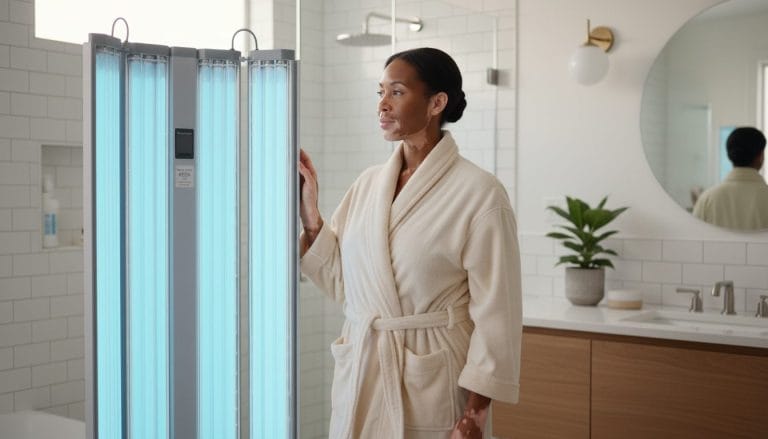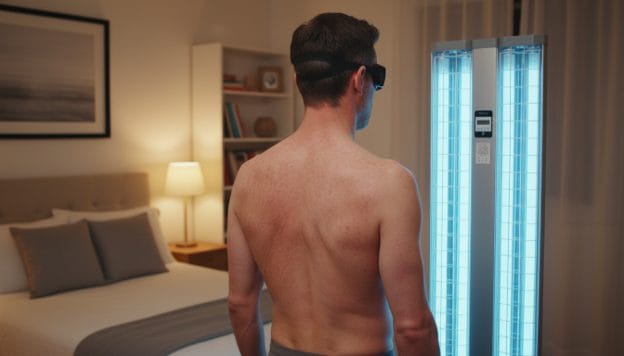
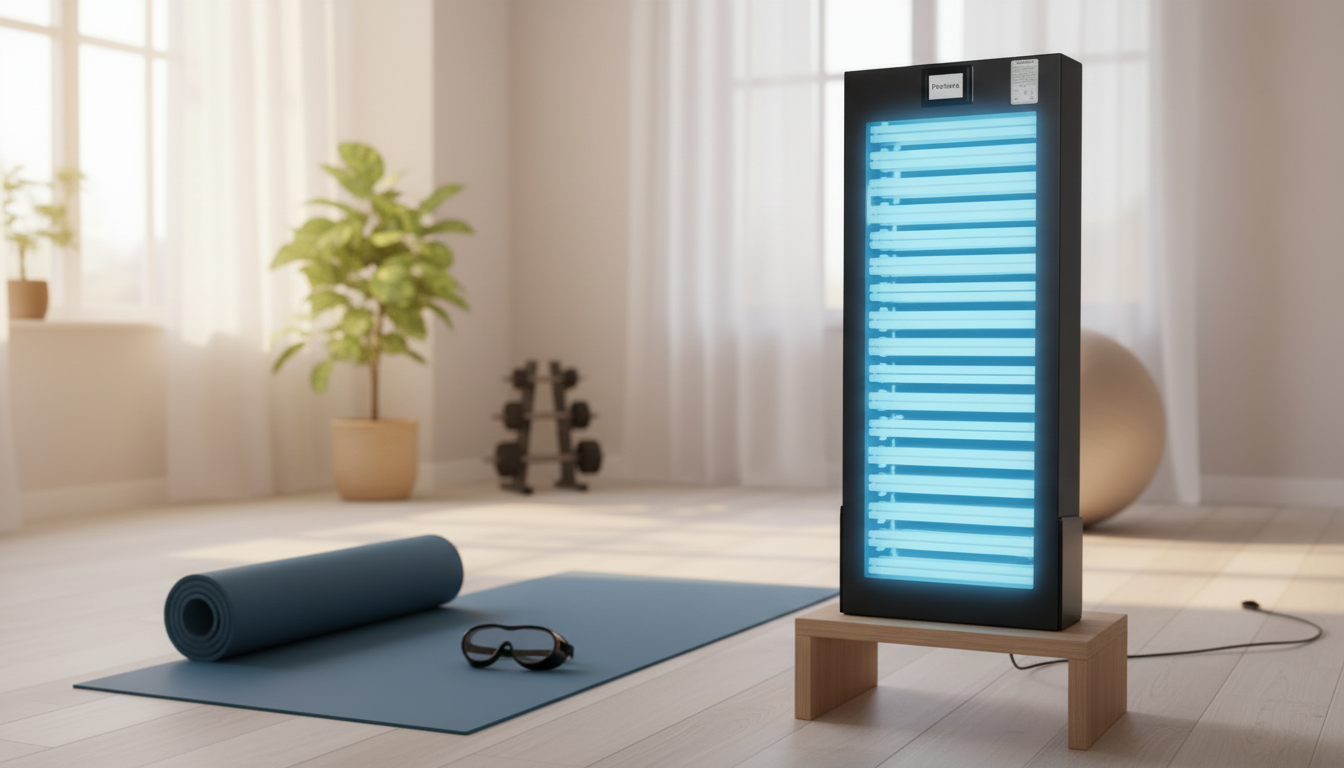
When most people hear “phototherapy,” they immediately think of skin conditions like psoriasis or vitiligo. While it’s a gold-standard treatment in dermatology, its benefits go far beyond the surface. The real power of this therapy lies in its ability to calm the immune system and reduce inflammation throughout the body. This is why researchers are now exploring its potential for a wider range of conditions, from multiple sclerosis to chronic fatigue. The science explaining how does home phototherapy work for autoimmune disease shows that its effects are systemic. This guide will explore how this convenient, at-home treatment is offering new hope for managing more than just skin-deep symptoms.
Key Takeaways
- Home Phototherapy Requires a Doctor’s Prescription: This is a medical-grade treatment, not a wellness device. You’ll need to work with your healthcare provider to get a personalized plan and a prescription for an FDA-cleared device that uses targeted NB-UVB light to calm your immune system.
- Consistency at Home Drives Better Results: The biggest advantage of home treatment is how easily it fits into your life. By removing the need for travel and appointments, you can stick to your prescribed schedule, which is the most important factor for reducing inflammation and managing your condition effectively.
- Follow Your Treatment Plan for Safe Use: Your doctor will provide a precise schedule with specific exposure times—stick to it. Always wear your UV-blocking goggles and keep your doctor informed about your progress and any other medications you’re taking to ensure your treatment is both safe and successful.
What Is Home Phototherapy?
Managing an autoimmune condition often feels like a full-time job, with a calendar full of appointments. If you find yourself drained by the constant travel and time spent in waiting rooms for treatments like phototherapy, you’re not alone. This is where home phototherapy comes in. It allows you to take control of your treatment schedule by bringing medical-grade light therapy directly into your home. The concept has been a trusted and effective option for decades, first used for psoriasis back in 1979 and later for vitiligo. Now, its benefits for calming the immune system are being explored for a wider range of conditions.
Instead of arranging your life around clinic hours, you can seamlessly integrate your sessions into your daily routine—whether that’s first thing in the morning or before you go to bed. This consistency is crucial for seeing meaningful results. It’s important to understand that this isn’t a wellness gadget; it’s a prescribed medical treatment. You’ll use an FDA-cleared device under the guidance of your doctor, who will determine your specific treatment plan. This partnership between you and your provider ensures you get the benefits of clinical therapy with the convenience of being at home. At Cytokind, we’re dedicated to providing these innovative treatment options that empower you to manage your health on your own terms.
What is Narrowband UVB Light?
When we talk about phototherapy, we’re not talking about just any light. Narrowband UVB (NB-UVB) is a very specific wavelength of ultraviolet light that has proven therapeutic benefits. It’s considered a first-choice treatment because it’s both effective and has a strong safety profile, making it suitable even for children and pregnant women under a doctor’s care. Unlike broader spectrums of light or tanning beds, NB-UVB precisely targets the source of the problem. It works by calming the immune system’s response rather than just masking symptoms. This targeted approach helps reduce the inflammation and other issues associated with many autoimmune conditions, offering a focused and reliable form of therapy.
How Light Therapy Calms Your Immune System
So, how does a specific wavelength of light actually calm your immune system? Many autoimmune conditions are characterized by an immune system that has gone into overdrive, mistakenly attacking your body’s own tissues. NB-UVB light works by penetrating the skin and interacting directly with the immune cells, like T-cells, that are located there. This interaction sends a signal to these overactive cells to slow down their activity. Think of it as a reset button. The light therapy helps to regulate your body’s immune response, dialing it back from a state of attack to a more balanced state. This is especially helpful for conditions where an overactive immune system is the primary driver of your symptoms.
The Science of Reducing Inflammation
The benefits of light therapy aren’t just skin deep. While the light is applied to your skin, its effects can extend throughout your body to create a systemic, anti-inflammatory response. Research is increasingly showing that NB-UVB light can influence your entire immune system, not just the cells in your skin. This is what makes it such a promising option for a range of autoimmune diseases that involve widespread inflammation. For instance, some studies have shown that UV light therapy can help people with early-stage MS by lowering the inflammatory proteins in their blood. This suggests that light therapy can be a powerful tool for addressing the root cause of systemic inflammation, one of the most surprising ways that sunlight might heal autoimmune diseases.
Can Home Phototherapy Help Your Condition?
You might associate light therapy with skin conditions, and for good reason—it’s been a trusted treatment in dermatology for decades. But the benefits of phototherapy go more than skin deep. Because it works by calming the immune system and reducing inflammation, researchers are exploring its potential for a wide range of autoimmune diseases. From well-established uses to promising new research, here’s a look at how home phototherapy could be an option for you.
Psoriasis and Skin Conditions
If you have psoriasis, you know how frustrating the rapid growth of skin cells can be. Phototherapy is a go-to treatment prescribed by dermatologists because it directly addresses this issue. Regular, medically supervised exposure to specific wavelengths of UV light helps slow down skin cell production, which can reduce scaling, inflammation, and discomfort. It’s a way to manage symptoms by targeting one of the condition’s underlying mechanisms. For many, light therapy for psoriasis offers a reliable way to find relief and regain control over their skin health, all from the comfort of home.
Vitiligo and Pigmentation
For those living with vitiligo, phototherapy is a leading treatment option because it’s both effective and has a strong safety profile. The goal is to stimulate the pigment-producing cells in your skin to restore color. Narrowband UVB (NB-UVB) light is considered the gold standard and is often the first choice for treatment. It’s so safe that it’s even used for children and pregnant women. The convenience of home phototherapy for vitiligo makes it easier to stick with the consistent treatment schedule needed to see the best results, helping you on your journey to repigmentation.
Multiple Sclerosis and Neurological Disorders
Emerging research suggests that the benefits of UV light extend to neurological autoimmune conditions like multiple sclerosis (MS). The core issue in MS is an immune system that mistakenly attacks the central nervous system. Sunlight and UV light appear to have a calming effect on this overactive immune response. A small but promising study found that UV light therapy helped people with early-stage MS by reducing inflammatory proteins in their blood. This points to the exciting possibility that light therapy could one day help heal autoimmune diseases by addressing systemic inflammation, not just surface-level symptoms.
New Research: Chronic Fatigue and Long COVID
If you struggle with the debilitating effects of chronic fatigue or Long COVID, you know the toll that widespread inflammation and pain can take. Phototherapy is being explored as a new tool to help manage these complex conditions. The idea is that specific wavelengths of light can penetrate the skin and work on a deeper level to help regulate the body’s inflammatory response. By calming systemic inflammation, phototherapy offers a promising, non-invasive option to add to a pain management plan. This new option to manage chronic pain is at the forefront of research, offering hope for those seeking relief from persistent fatigue and discomfort.
Home vs. Clinic Phototherapy: What’s the Difference?
If you and your doctor have decided that phototherapy is a good fit for you, the next question is where to do it. While the narrowband UVB light used is the same, the experience of receiving treatment at a clinic versus in your own home is quite different. Choosing between the two often comes down to your lifestyle, budget, and what feels most manageable for you long-term.
Clinic-based phototherapy means regular trips to a dermatologist or a specialized center for each session. This can be a great option if you prefer direct, in-person supervision for every treatment. On the other hand, home phototherapy offers more flexibility and privacy. With a prescription from your doctor, you can use a medical-grade device on your own schedule. Let’s look at what sets these two approaches apart so you can have a more informed conversation with your care provider about the innovative treatment options available.
The Convenience of At-Home Treatment
One of the biggest advantages of home phototherapy is that it fits into your life, not the other way around. There are no appointments to schedule, no traffic to sit through, and no time spent in a waiting room. You can do your treatment whenever it works best for you—whether that’s first thing in the morning or before you go to bed. This approach has been a trusted and effective option for decades, with a long history of helping people manage skin conditions like psoriasis and vitiligo from the comfort of home. It puts you in control of your schedule, removing many of the logistical hurdles that can make sticking with treatment a challenge.
Save Time and Money
While there is an upfront investment in a home phototherapy device, it can often be the more economical choice over time. Think about the costs associated with clinic visits: co-pays, gas, parking, and potentially taking unpaid time off from work for each appointment. These expenses add up quickly, especially when you need treatments several times a week. For those who live a significant distance from a treatment facility, the savings become even more apparent. By eliminating travel and lost wages, home phototherapy reduces the financial burden of treatment, making consistent care more accessible and sustainable for your budget.
Stick to Your Treatment Plan More Easily
When it comes to seeing results from phototherapy, consistency is everything. This is where home treatment truly shines. Because it’s so much more convenient, people are far more likely to keep up with their prescribed schedule. In fact, research shows that treatment adherence is significantly higher for those doing phototherapy at home. One study found that 92% of patients using home units adhered to their treatment plan, compared to just 70% of those receiving treatment in a clinic. When you remove the barriers of travel and scheduling, it becomes much easier to make treatment a regular part of your routine, which ultimately leads to better results.
Staying Safe with Home Phototherapy
Bringing your treatment home is a big step, and it’s completely normal to have questions about safety. While home phototherapy is an effective and convenient option for managing autoimmune conditions, using it correctly is key to getting the best results without unwanted side effects. Think of it like any other powerful medical treatment—it requires care and attention to detail.
The good news is that following a few straightforward guidelines makes the process simple and safe. Your safety plan comes down to four main pillars: understanding the potential risks, protecting your skin and eyes, working closely with your doctor, and being aware of any medications that could affect your treatment. By making these steps part of your routine, you can feel confident and in control as you use light therapy to calm your immune system and reduce inflammation.
Potential Side Effects and Skin Risks
Let’s start with the most important thing to know: UV light is a known carcinogen, which means exposure must be carefully controlled. This isn’t the same as using a tanning bed. Medical phototherapy uses a very specific wavelength of light for a prescribed amount of time to achieve a therapeutic effect. Your doctor calculates a precise dose to maximize benefits while minimizing risks. The most common side effects are temporary and mild, like redness, itching, or dryness, similar to a slight sunburn. Following your prescribed treatment schedule is the best way to prevent these issues and ensure your skin adapts safely.
Protect Your Eyes and Skin
Protecting yourself during each session is non-negotiable. Your home phototherapy device will come with UV-blocking goggles—wear them every single time, without exception. Your eyes are sensitive, and this simple step prevents any potential damage. You should also cover any areas of your skin that you aren’t treating. On treatment days, your skin will be more sensitive to the sun, so it’s important to avoid natural sunlight when you can. If you go outdoors, make it a habit to wear protective clothing and a broad-spectrum sunscreen. This helps prevent overexposure and keeps your skin healthy throughout your course of treatment.
Why You Need a Prescription and Medical Supervision
There’s a reason you can’t just buy a medical phototherapy device off the shelf. Light therapy should always be prescribed and supervised by a healthcare provider who understands your medical history and condition. A prescription ensures you’re getting the right treatment plan for you. Your doctor will determine your starting dose, how often you should have sessions, and for how long. They’ll also monitor your progress and make adjustments as needed. This partnership is essential for safety and effectiveness, giving you a personalized approach that you can’t get anywhere else. It’s all about having an expert guide you through the process.
Check for Drug Interactions
What you put in your body can affect how your skin reacts to light. Some medications, supplements, and even over-the-counter products can make your skin more sensitive to UV light, a reaction called photosensitivity. This can increase your risk of burning during treatment. Before you start, give your doctor a complete list of everything you’re taking. As the experts at UVA Health advise, you should “always tell your doctor about all medicines you’re taking, even over-the-counter ones, as they can increase side effects.” This includes prescriptions, vitamins, and herbal supplements. This open communication helps your doctor keep you safe and prevent any unexpected skin reactions.
Home Phototherapy Myths, Busted
When you’re exploring new ways to manage an autoimmune condition, it’s natural to have questions. Home phototherapy is a powerful tool, but it’s also surrounded by a lot of confusion. It’s easy for misinformation to spread, especially when a treatment involves something as familiar as light. You might wonder if it’s safe, if it actually works, or if it’s just too complicated to handle on your own.
Let’s clear the air and look at the facts. Understanding the truth behind these common myths can help you feel more confident about whether this treatment is the right fit for you. We’ll walk through some of the biggest misconceptions about using light therapy at home, from what kind of light it is to how it compares to treatments you’d get in a clinic. By separating fact from fiction, you can make an informed choice alongside your healthcare provider.
It’s Not a Tanning Bed
One of the most persistent myths is that a home phototherapy device is just a fancy tanning bed. This couldn’t be further from the truth. Tanning beds use broad-spectrum ultraviolet light, primarily UVA rays, which are linked to skin aging and an increased risk of skin cancer. In contrast, medical phototherapy uses a very specific, narrow range of UVB light. This innovative treatment option is carefully calibrated to produce a therapeutic effect on the immune system, reducing inflammation without the same risks associated with tanning. Think of it as the difference between a floodlight and a laser pointer—one is broad and uncontrolled, while the other is precise and targeted for a specific job.
Is It as Effective as In-Clinic Treatments?
It’s easy to assume that a treatment you can do in your living room must be less powerful than one you get in a doctor’s office, but that’s not the case here. Studies show that home phototherapy is a highly effective and often more cost-effective treatment for autoimmune conditions. In fact, research has found that patients using home UV light boxes were less likely to need expensive biologic drugs. When used correctly and consistently under a doctor’s supervision, home units deliver the same therapeutic wavelengths of light as the larger machines in a clinic. The key difference isn’t the quality of the treatment, but the convenience and comfort of receiving it at home.
How Difficult Is It to Use?
The idea of managing medical equipment at home can feel intimidating, but home phototherapy devices are designed to be straightforward and user-friendly. The goal is to make treatment easier, not harder. Research actually shows that home-based phototherapy can enhance patient adherence to their treatment plans. One study found that 92% of patients using home phototherapy stuck to their regimen, compared to just 70% of those receiving in-clinic treatments. The convenience of not having to travel for appointments means you’re more likely to stay consistent, which is one of the most important factors for achieving great results. Your provider will give you clear instructions, and the devices are built for simple, safe operation.
How to Get Started with Home Phototherapy
Ready to explore home phototherapy? It might sound complicated, but getting started is more straightforward than you think. Taking control of your treatment from the comfort of your home is an empowering step. We’ll walk through the three key things you need to do to begin your journey safely and effectively.
Get Medical Clearance and a Prescription
First things first: talk to your doctor. Home phototherapy is a medical treatment, and you’ll need a prescription to get started. This is a critical safety measure to ensure this therapy is the right fit for your specific health needs and won’t interfere with other medications or conditions. Your doctor will evaluate your condition, determine the correct light dosage, and write the prescription you need to purchase a device. This conversation is also the perfect time to discuss how innovative treatment options like at-home light therapy can help you overcome common treatment hurdles like travel time and cost, making it easier to stick with your plan.
Choose an FDA-Cleared Device
Once you have a prescription, it’s time to choose your device. It is essential to select a phototherapy unit that is FDA-cleared for medical use. This clearance means the device has been reviewed for safety and effectiveness, so you can trust it to deliver the correct type of light at the prescribed intensity. Steer clear of tanning beds or wellness lamps, as they are not the same and can be harmful. Your doctor can help you decide on the right type of unit—whether it’s a full-body panel or a smaller, handheld device—based on the areas you need to treat, your budget, and what your insurance may cover.
Gather Your Safety Gear
Before your first session, you’ll need to assemble a small safety kit. Because you’ll be working with medical-grade UV light, protecting your eyes is non-negotiable. You must wear the UV-blocking goggles that come with your device during every single treatment. It’s also a good idea to be mindful of sun exposure in your daily life. Your skin may become more sensitive, so practicing sun safety by wearing protective clothing and a broad-spectrum sunscreen when you go outside is a smart habit to adopt. This simple prep work ensures every treatment you do is as safe as it is effective.
Use Your Device for the Best Results
You’ve done the research, talked with your doctor, and now you have an FDA-cleared phototherapy device at home. This is a huge step toward taking control of your health. But like any effective tool, the best results come from using it correctly. Think of your home phototherapy device not just as a piece of equipment, but as a new part of your wellness routine. Getting the most out of your treatment plan comes down to three simple things: creating a consistent schedule, using the device properly, and keeping track of your progress.
It might feel like a lot to remember at first, but these steps quickly become second nature. The goal is to make your treatments a seamless part of your life, not another chore on your to-do list. By building good habits from the start, you give yourself the best chance to reduce inflammation and calm your immune system. Your commitment to the process is just as important as the technology itself. Let’s walk through how to set yourself up for success and make every session count.
Create a Consistent Schedule
When it comes to light therapy, consistency is everything. Your body responds best to a steady, predictable routine. The good news is that treating yourself at home makes this much easier to achieve. In fact, studies show that people using home-based phototherapy are significantly more likely to stick to their treatment plan than those who have to travel to a clinic. To build a routine that lasts, try linking your treatment to an existing daily habit, like your morning coffee or right before you settle in for the evening. Set a recurring alarm on your phone if you need an extra nudge. The key is to find a time that works for you and protect it.
Learn Proper Positioning and Exposure Times
Following your doctor’s instructions is critical for both safety and effectiveness. Your prescription will specify exactly how long each session should be—often just a few seconds or minutes—and how far you should be from the light source. Before your first session, read your device’s user manual thoroughly to understand how to position it correctly for the areas you need to treat. Resisting the urge to add a few extra seconds won’t speed up your results and can increase your risk of side effects. Trust the process and the plan your healthcare provider created specifically for you.
Track Your Progress and Make Adjustments
Your phototherapy journey is a partnership between you and your doctor. Keeping track of your symptoms, skin reactions, and overall well-being provides valuable information that helps your provider fine-tune your treatment plan. You don’t need a complicated system; a simple notebook or a note on your phone will do. Jot down the date, treatment duration, and any changes you notice. This log will be incredibly helpful during your follow-up appointments. These check-ins are essential for making sure the treatment is working as it should and for making any necessary adjustments to your exposure times, giving you the best possible outcome from your innovative treatment.
What to Expect During Your Treatment
Starting a new treatment brings a mix of hope and uncertainty. You’re likely wondering what the process will feel like and when you’ll start to see changes. While every person’s journey with an autoimmune condition is unique, there’s a general timeline you can expect with home phototherapy. The key is consistency and working closely with your healthcare provider to follow your prescribed plan. This partnership ensures you’re using the device safely and effectively to achieve the best possible results for your health.
The First Few Weeks and Your Skin’s Response
When you begin phototherapy, your doctor will have you start with very short exposure times. The goal is to find your minimal erythema dose (MED), which is the smallest amount of UV light that causes a slight pinkness to your skin within 24 hours. This isn’t a sunburn; it’s a sign that the light is active at a therapeutic level. The specialized ultraviolet light works to calm down immune system cells in your skin, which is the first step in reducing inflammation. During these initial weeks, it’s all about careful, gradual adjustments. You’ll follow your doctor’s instructions to slowly increase your treatment time, allowing your skin to adapt safely.
When You Can Expect to See Improvements
Patience is essential, as phototherapy works with your body’s natural processes. While some people with skin conditions notice changes within a few weeks, systemic improvements can take longer. Research shows that UV light therapy can have a deeper impact, with one study on early MS finding that it helped by lowering inflammatory proteins in the blood. Because home phototherapy makes it easier to stick to your schedule, you’re more likely to get the consistent exposure needed for these changes to occur. One study found that 92% of patients on a home treatment plan followed it correctly, which is a huge factor in achieving positive outcomes.
The Role of Maintenance Therapy
Once you and your doctor see significant improvement, the goal shifts from active treatment to long-term maintenance. This is where phototherapy really shines as one of the more innovative treatment options. The positive effects of UV light can be long-lasting, with some evidence suggesting it helps to “reset” how the immune system behaves. Your maintenance schedule will likely involve less frequent sessions—perhaps once or twice a week instead of every other day—to keep inflammation at bay and prevent future flares. This proactive approach helps you maintain your progress and gives you more control over managing your autoimmune condition for the long haul.
Related Articles
- Buy a Home Phototherapy Unit: A Prescription Guide
- Phototherapy Definition: A Guide to Light Therapy
- 4 Best Light Therapy Devices for Autoimmune Disease
- Phototherapy Treatment Protocols: A Patient’s Guide
- Phototherapy vs Red Light: Which Is Right for You?
Frequently Asked Questions
Is this the same as using a tanning bed or just getting more sun? Not at all. Think of medical phototherapy as a targeted tool, while tanning beds and general sun exposure are more like a blunt instrument. Tanning beds emit a broad spectrum of UV light, primarily UVA, which isn’t what provides the therapeutic benefit and comes with higher risks. Home phototherapy uses a very specific wavelength of narrowband UVB light that is precisely calibrated to calm the immune system and reduce inflammation, all under your doctor’s supervision.
You mentioned UV light has risks. Is home phototherapy safe for long-term use? This is a great question, and it’s smart to be mindful of safety. While UV light requires respect, medical phototherapy has a strong safety profile when used correctly. The key difference is control. Your doctor prescribes a precise dose—down to the second—to maximize the therapeutic benefits while minimizing risks. This controlled approach, combined with regular check-ins with your provider, makes it a safe and sustainable option for long-term management of your condition.
Will my insurance help pay for a home phototherapy device? Many insurance plans do cover the cost of a home phototherapy unit when it’s deemed medically necessary. Because it’s an FDA-cleared medical device that requires a prescription, it’s often treated like other durable medical equipment. The best first step is to call the number on the back of your insurance card and ask about your specific plan’s coverage for home phototherapy equipment.
What does a typical treatment session actually feel like? A home phototherapy session is surprisingly quick and uneventful. You won’t feel intense heat like you would in a tanning bed. The lights may feel slightly warm on your skin, but the entire process is painless. Sessions are very short, often starting at just a few seconds and gradually increasing to a few minutes as your skin adapts. Most people find it easy to incorporate into their daily routine without any discomfort.
My main issue is fatigue and inflammation, not a skin condition. Can this still help me? Yes, this is exactly why researchers are so interested in phototherapy for a wider range of autoimmune diseases. While the light is applied to your skin, its effects are more than skin-deep. The narrowband UVB light interacts with immune cells in the skin, sending signals that can help calm your entire immune system. This can lead to a reduction in the systemic inflammation that often drives symptoms like fatigue and pain in conditions like MS, Long COVID, and chronic fatigue syndrome.