Most of what gets written about phototherapy is written by people who study it. This one was written by someone living it.
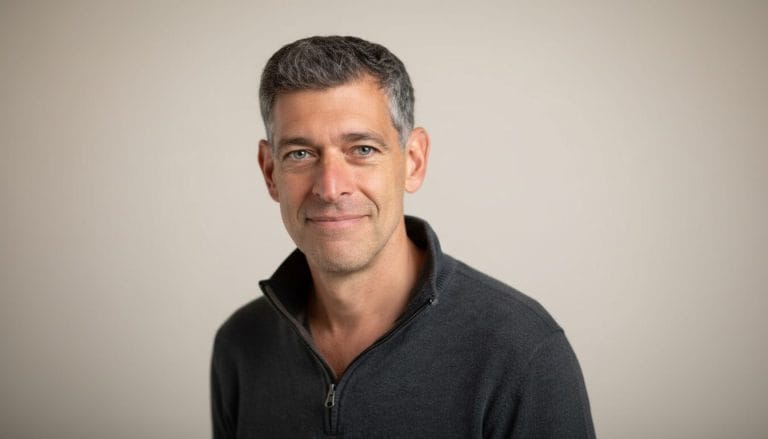
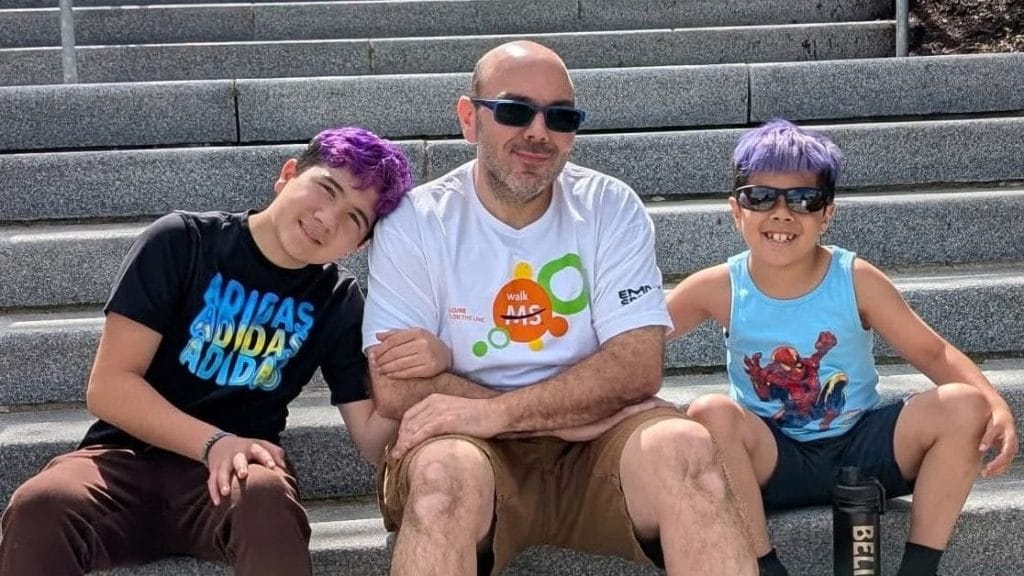
Ryan Roy was diagnosed with MS in 2025. He runs a plumbing business in New Hampshire and has young children. Recently, he published a first-person column in Multiple Sclerosis News Today about what he changed after the diagnosis — and phototherapy was one part of it.
Read Ryan’s full column at Multiple Sclerosis News Today →
In His Own Words
On MS fatigue after UVB phototherapy treatments:
“The severe fatigue I had been struggling with gradually eased, giving way to a more consistent and regulated sleep schedule.”
On what that made possible:
“Physically, I felt more active and experienced greater stamina, which helped me to stay engaged as a father and continue running my plumbing business.”
He also writes about a lift in mood and outlook that held through New Hampshire’s short and cold winter days (a detail that will land with anyone who has tried to manage a chronic condition through a grey northern winter).
What He Actually Did
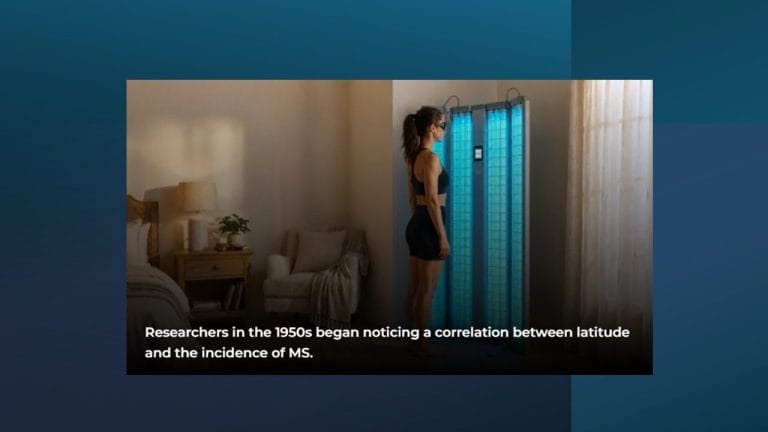
Roy did not do just one thing. After his diagnosis he lost weight and changed how he ate. He took up resistance training, specifically to work against foot drop and fatigue. He read the research and connected with other patients. Then, in the summer of 2025, he began increasing his natural sun exposure, looked into UV-B light, spoke with his physician, obtained a prescription, and started his home phototherapy.
Six months in, he described the changes above.
How This Connects To Our Work
Cytokind exists because of a specific idea: that narrowband UV-B, which dermatologists have prescribed for decades to treat skin conditions, may be doing something broader than treating skin.
Fatigue in MS is the clearest place to look. It is among the most disabling symptoms patients report, among the hardest to treat with drugs, and among the least visible to everyone around the person carrying it. When a patient describes a day that used to end at noon now lasting until evening, that is the outcome that matters.
Roy’s column is only one person’s experience. But it describes the experience the science is trying to measure, in the words of someone who felt it.
What NB-UVB Is And Is Not Cleared For
Narrowband UV-B devices are FDA-cleared for dermatological conditions such as psoriasis, vitiligo and eczema. They are not cleared specifically for use in multiple sclerosis. Use in MS is an area of active research, not an approved indication.
All NB-UVB devices require a prescription. If you have MS and this interests you, the conversation to have is with your medical provider about whether UVB phototherapy is right for you.