Choosing a medical device can feel a bit like buying a car for the first time. You know you need one, but the sheer number of options, features, and technical terms can be paralyzing. You just want something reliable that gets you where you need to go safely. The world of phototherapy devices is similar. You have different models, power levels, and features to consider. But you don’t need to be an engineer to make a smart choice. This guide is your test drive. We’ll break down the essential features—like wavelength and safety certifications—into simple, understandable terms, helping you find a device that fits your specific health needs and your lifestyle, without all the confusing jargon.
Our phototherapy devices guide is designed to help patients understand how clinically approved home light therapy systems work and when they are recommended.
Key Takeaways
- Not All Light Is Created Equal: For autoimmune and inflammatory conditions, the therapeutic power is in Narrowband UVB (NB-UVB). This specific wavelength works at a cellular level to calm your immune system and reduce inflammation, making it a targeted, drug-free option.
- Look Beyond the Skin’s Surface: Phototherapy’s ability to calm the immune system can help with systemic inflammation, not just skin conditions. Lasting results depend on consistency, so be prepared to stick with the treatment plan your doctor prescribes.
- Prioritize Safety and Efficacy: A trustworthy device is FDA-cleared, uses the correct NB-UVB wavelength, and requires a prescription. This ensures your treatment is safe, effective, and properly managed with your doctor’s guidance.
What is Phototherapy and How Does It Work?
If you’re exploring new ways to manage your health, you may have come across the term phototherapy. So, what is it? Simply put, phototherapy, or light therapy, is a treatment that uses specific wavelengths of ultraviolet (UV) light to create a positive change in your body. The main goal is to help calm down overactive cells and reduce inflammation. Think of it as a highly targeted dose of the most beneficial parts of natural light, delivered in a controlled and safe way. For decades, this approach has been a trusted option in dermatology, but its benefits are now being recognized for a wider range of health concerns.
The light penetrates the skin and works at a cellular level to slow down excessive cell growth and soothe the immune system’s response. This process can be incredibly helpful for people looking for innovative treatment options that address the root causes of their symptoms, rather than just masking them. Unlike medications that can have widespread side effects, phototherapy targets specific biological processes involved in inflammation. It’s a non-invasive method that harnesses the power of light to help restore balance to your body, offering a different path for those who feel underserved by standard treatments.
The Different Kinds of Light Therapy
When you start looking into phototherapy, you’ll see a few different terms. The most common types for treating inflammatory and autoimmune conditions involve ultraviolet B (UVB) light. There are two main forms of UVB therapy: broadband and narrowband. Broadband UVB uses a wider range of light wavelengths, while narrowband UVB (NB-UVB) uses a very specific, shorter wavelength that has been identified as the most therapeutic for certain conditions. This precision is what makes NB-UVB so effective. In fact, NB-UVB light therapy has been a go-to treatment for improving outcomes in patients with chronic skin conditions for many years.
Narrowband UVB vs. Broadband UVB vs. LED
It’s helpful to understand how these light therapies differ. While both are forms of UVB treatment, narrowband UVB is often considered a more advanced and targeted option. Because it uses a very precise sliver of the UV spectrum, it can be more efficient. Research suggests that NB-UVB may clear conditions faster and lead to longer periods of remission with fewer weekly treatments compared to broadband. This makes it a powerful tool in light therapy.
You might also see LED light therapy advertised, but it’s important to know that it works very differently. LED devices use visible light (like red or blue light) and are typically used for cosmetic skin concerns like wrinkles, acne, and dark spots. They don’t use UV light and aren’t designed to treat the systemic inflammation associated with autoimmune conditions.
A Note on Safety and FDA Clearance
Naturally, safety is a top priority when considering any new treatment. Phototherapy has a well-established safety profile, especially when administered correctly. While side effects are uncommon, some people might experience temporary redness or mild skin irritation. This is why it’s essential to consult with your doctor before beginning treatment. They can determine the right dosage and schedule for your specific needs.
Furthermore, look for devices that are FDA-cleared. This clearance means the device has been reviewed by the FDA and meets strict standards for safety and effectiveness. Medical-grade phototherapy devices are regulated to ensure they deliver a precise and consistent dose of light, which is key to getting results safely. This isn’t just a recommendation; it’s a crucial step in ensuring your treatment is both effective and secure.
These phototherapy devices are compared in detail in our treatment chart to help patients choose the right system for their condition.
Who Can Benefit from Phototherapy?
Phototherapy is often associated with dermatology, but its benefits reach far beyond the skin. Because it works by calming an overactive immune response, it can be a powerful tool for a range of conditions rooted in inflammation. Whether you’re dealing with a persistent skin issue or a systemic autoimmune disease, understanding how light therapy can help is the first step toward finding relief.
For Chronic Skin Conditions
If you’re managing psoriasis, eczema, or vitiligo, you’re likely familiar with the cycle of flare-ups and remission. Phototherapy offers a way to break that cycle. It’s a safe, drug-free treatment that works by reducing the localized inflammation causing your symptoms. Narrowband UVB light, the same kind used in clinics, can slow down the rapid growth of skin cells in psoriasis and calm the immune reactions behind eczema. For vitiligo, it can help stimulate repigmentation. With effective home phototherapy units now available, you can consistently manage chronic skin conditions without constant trips to the doctor’s office.
For Autoimmune and Systemic Conditions
The benefits of light therapy aren’t just skin deep. The same immune-calming effects that help with skin conditions can also address inflammation throughout the body. This is promising news for those with systemic autoimmune diseases where the immune system is in a state of chronic overdrive. Recent research has shown that narrowband UVB phototherapy has broad anti-inflammatory effects in patients with multiple sclerosis. If you’re looking for innovative, non-drug treatment options to help regulate your immune system and reduce systemic inflammation and fatigue, phototherapy is a conversation worth having with your doctor. It offers a way to address the root cause, not just the symptoms.
What to Expect: Results and Timelines
Starting any new treatment comes with questions, and the biggest one is usually, “When will I see results?” Phototherapy isn’t an instant fix; it’s a gradual process that relies on consistency. Your doctor will create a personalized treatment plan, which typically involves short sessions a few times per week. While some people notice improvements within a few weeks, it can often take a couple of months to see significant changes. The goal is steady progress. Modern devices are designed to fit into your space and routine easily, making it simpler to stick with your treatment plan. Patience and consistency are key to achieving the best possible outcome.
What Are the Different Types of Phototherapy Devices?
Once you and your doctor decide that phototherapy is a good fit, the next step is choosing the right device. The options can seem overwhelming at first, but they generally fall into a few key categories based on their size and how they’re used. The best choice for you will depend on the size of the area you need to treat and whether you prefer the convenience of at-home sessions or the support of a clinical setting.
Targeted Handheld Units
If you’re dealing with symptoms in just a few specific spots, a targeted handheld unit might be your best bet. These devices are designed for precision treatment, allowing you to focus the light directly on affected areas like patches of psoriasis or vitiligo. This approach is great for treating smaller areas on your hands, feet, or scalp while minimizing light exposure to the surrounding healthy skin. They offer a focused treatment that you can manage easily and precisely right where you need it most.
Full-Body Panel Systems
For conditions that affect larger portions of your body, full-body panel systems offer the comprehensive coverage you need. These are the types of units you’ll often find in a dermatologist’s office or clinic, designed to provide an even and consistent dose of light across your entire body in a single session. This makes them an ideal solution for widespread conditions, ensuring every affected area receives effective and uniform treatment under clinical NB-UVB phototherapy protocols.
At-Home, Clinical-Grade Devices
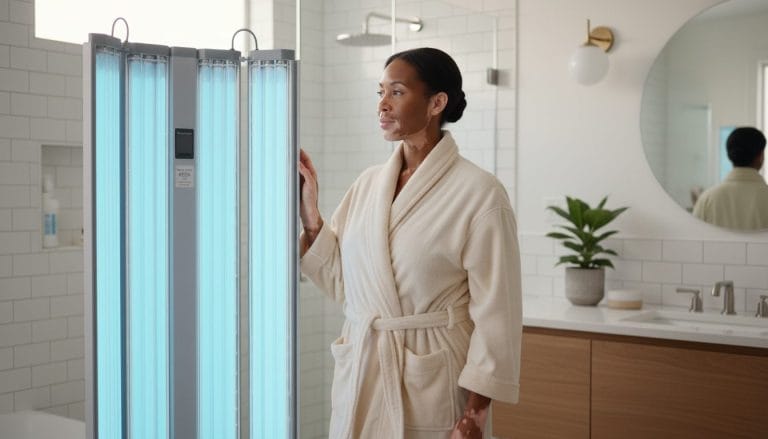
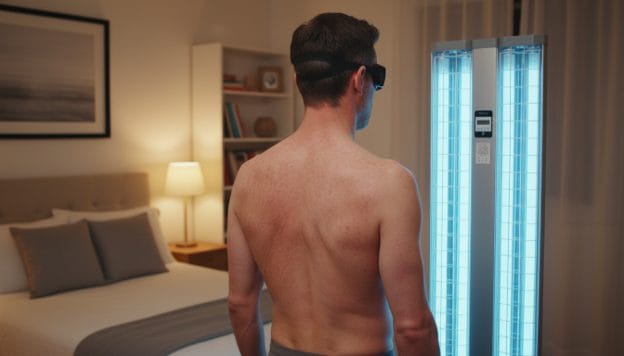
Imagine getting the same quality of treatment you’d receive in a clinic, but from the comfort of your own home. That’s the goal of at-home, clinical-grade devices. These FDA-cleared units are designed to deliver precise, effective light therapy for managing chronic conditions over the long term. For many people, the ability to consistently administer home phototherapy on their own schedule is a game-changer, making it easier to stick with a treatment plan and manage symptoms effectively.
Prescription vs. Over-the-Counter Options
When you start looking at devices, you’ll notice that some require a prescription while others are available over-the-counter. Prescription-grade devices, like those used for narrowband UVB therapy, are FDA-cleared for specific medical conditions and deliver a precise wavelength of light. It’s essential to work with your healthcare provider to get the right diagnosis and treatment plan. They can help you order an NB-UVB therapy device that is safe and appropriate for your specific needs.
You can explore medically approved home phototherapy devices that align with dermatologist-recommended protocols.
Comparing Top Phototherapy Brands
Once you’ve decided that phototherapy is a good fit, the next step is choosing a device. It can feel overwhelming to sort through the different brands and models, but focusing on a few key factors will help you find the right one. The most important things to look for are FDA clearance, a focus on your specific condition, and device specifications that match your treatment needs. A reputable brand will be transparent about its technology and provide clear guidance on how to use its products safely and effectively under a doctor’s supervision.
Why Choose Cytokind’s FDA-Cleared Systems
When you’re managing a chronic condition, you need a treatment you can trust. Cytokind’s systems stand out because they are FDA-cleared, which means they have been reviewed for safety and effectiveness. Our home phototherapy units offer the same clinical-grade power you would find in a dermatologist’s office, making it possible to manage conditions like psoriasis, vitiligo, and eczema from the comfort of your home. We prioritize precision and safety in every device, from targeted units to full-body cabinets. This commitment ensures you receive a drug-free treatment designed for optimal results, helping you find relief and regain control over your health without unwanted side effects.
How Other Leading Brands Compare
Many phototherapy brands focus exclusively on dermatological uses. While effective for skin conditions, their scope can be limited. Cytokind is different because we are at the forefront of research exploring how narrowband UVB light can help with systemic and autoimmune conditions beyond the skin. We partner with leading manufacturers like Phothera to distribute FDA-cleared lights, ensuring our customers have access to top-tier technology. Our unique focus is on the broader connection between light therapy and the immune system, offering innovative treatment options for those who feel underserved by the current standard of care. This specialized approach is what sets us apart from other brands in the space.
Understanding Device Specs and Treatment Area
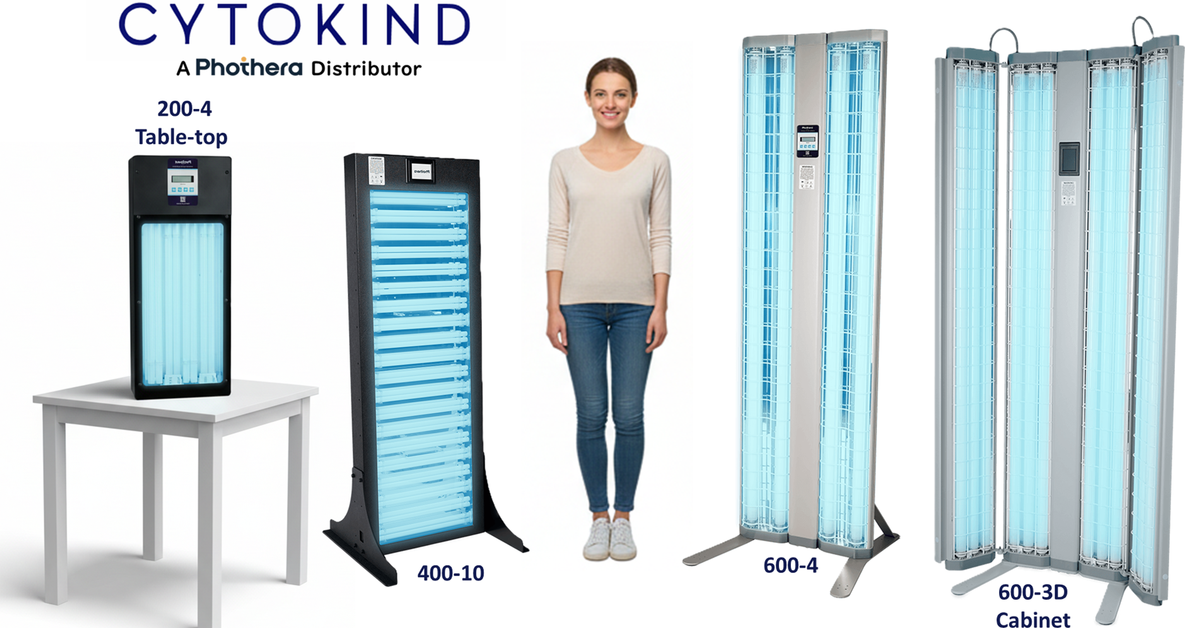
The right device for you depends entirely on your personal needs. Are you treating a few small, specific areas, or do you need broader coverage? Phototherapy devices range from compact, handheld units for targeted treatment to full-body panels for more widespread conditions. When comparing specs, think about how a device will fit into your life. A good system should be easy to use and integrate into your routine without causing disruption. At Cytokind, we design our products with this in mind, ensuring they are not only effective but also practical for long-term use. You can learn more about how it works and find a device built for your specific treatment area and lifestyle.
How to Choose the Right Phototherapy Device
Okay, you’re ready to explore phototherapy. But with so many devices on the market, picking the right one can feel overwhelming. When you’re managing a chronic condition, the last thing you need is more confusion. Think of it like choosing any other important tool for your health—you want something effective, safe, and suited to your specific needs. It’s not just about buying a product; it’s about finding a partner in your wellness routine that you can rely on for years to come. This decision can have a real impact on your daily comfort and long-term health, so it’s worth taking the time to get it right. To make a confident choice, you can focus on four key areas: the specific light technology, official safety credentials, real user feedback, and how the device will fit into your daily life. By looking at each of these factors, you can cut through the noise and compare your options with a clear head. This approach helps you move past the marketing hype and find a device that can truly support your health goals and give you back a sense of control.
Checking Wavelength and Dosage Controls
The single most important technical detail of a phototherapy device is the wavelength of light it emits. For conditions like psoriasis, vitiligo, and other autoimmune responses, narrowband UVB (NB-UVB) is the clinically recognized standard. This specific slice of the light spectrum has been used for decades to calm inflammation and regulate the immune system. When you’re comparing devices, verify that they produce the correct wavelength for your condition. Just as important is the ability to control the dosage. An effective device will allow you or your doctor to set precise treatment times to ensure you get a therapeutic dose without overexposure. This control is what makes the therapy both safe and effective.
Confirming Safety Certifications and Prescription Needs
When you’re using light to treat a medical condition, safety is non-negotiable. Look for devices that are FDA-cleared, as this indicates they have met specific standards for safety and performance. Reputable companies will be transparent about their certifications. Many high-quality, clinical-grade devices also require a prescription. While that might seem like an extra step, it’s actually a good sign. It means the manufacturer is committed to responsible use and that your treatment will be supervised by a healthcare provider who understands your needs. Before you start any new treatment, it’s always best to have a conversation with your doctor to make sure it’s the right fit for you.
Finding Real User Reviews and Comparisons
Marketing materials can tell you a lot, but the experiences of real people can tell you even more. Look for reviews and testimonials from users who are managing the same condition as you. They can offer practical insights into what it’s like to use the device day-to-day, the results they’ve seen, and how long it took to notice changes. Independent review sites and patient forums can be great sources of unbiased information. While the body of clinical research on at-home devices continues to grow, these firsthand accounts can help you understand how a particular device might work for your lifestyle and what you can realistically expect from treatment.
Considering Maintenance and Long-Term Value
A phototherapy device is an investment in your health, so think about its long-term value. Does it seem durable and well-made? What kind of customer support or warranty does the company offer? Also, consider the practical side of things. A device is only effective if you use it consistently, so choose one that fits into your routine. A compact, easy-to-use home phototherapy unit can offer the same clinical effectiveness as in-office treatments but with far more convenience. Over time, treating at home can also be more cost-effective than repeated trips to a clinic, giving you more control over both your health and your schedule.
Related Articles
- Phototherapy – Safe & Effective Treatment for Psoriasis & Eczema
- Safe NB-UVB Phototherapy Devices for Home & Clinical Use
- Clinical NB-UVB Phototherapy: Advanced Care
- Home Phototherapy – Cytokind
- Order NB-UVB Therapy Device
Frequently Asked Questions
Why do I need a prescription for a phototherapy device? Think of a phototherapy device as a serious medical tool, not a simple wellness gadget. Requiring a prescription ensures that a healthcare provider has properly diagnosed your condition and confirmed that light therapy is a safe and appropriate choice for you. It also means your doctor will create a personalized treatment plan, guiding you on the precise dosage and frequency needed to get results safely. This medical supervision is a crucial safety measure that helps you get the most out of your treatment.
Is at-home phototherapy as effective as treatment in a doctor’s office? Yes, it absolutely can be. The key is using a clinical-grade, FDA-cleared device that delivers the exact same narrowband UVB wavelength you’d receive in a clinic. The main advantage of at-home treatment is convenience, which makes it much easier to be consistent. Since seeing results depends on sticking to a regular schedule, having a unit at home can be a game-changer for managing a chronic condition long-term.
How is narrowband UVB different from other light treatments, like red light therapy or tanning beds? This is a great question because the type of light matters immensely. Narrowband UVB uses a very specific, therapeutic wavelength of ultraviolet light that has been clinically shown to calm an overactive immune system. In contrast, tanning beds emit a broad, uncontrolled mix of UVA and UVB light that is not safe or effective for therapy. Red light therapy uses visible light, which works on the surface of the skin for cosmetic concerns or muscle recovery but doesn’t have the same deep, immune-regulating effects as NB-UVB.
What are the potential side effects of phototherapy? Phototherapy has a very strong safety record when used correctly. The most common side effect is temporary redness or a mild sunburn-like sensation, especially when you first begin. This is precisely why following a doctor-prescribed treatment schedule is so important, as it allows you to start with a low dose and gradually find what works for your skin. When managed properly, more significant side effects are uncommon.
How long does it typically take to see results from treatment? Patience and consistency are your best friends when it comes to phototherapy. This isn’t an overnight fix; it’s a gradual process of calming your body’s inflammatory response. While some people may start to notice improvements within a few weeks, it often takes a couple of months of consistent use to see significant changes. Sticking to the treatment plan prescribed by your doctor is the most important factor in achieving the best possible outcome.