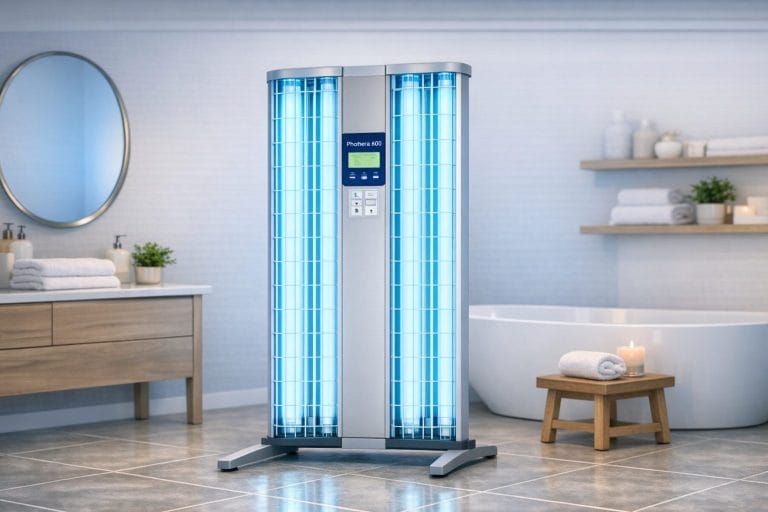
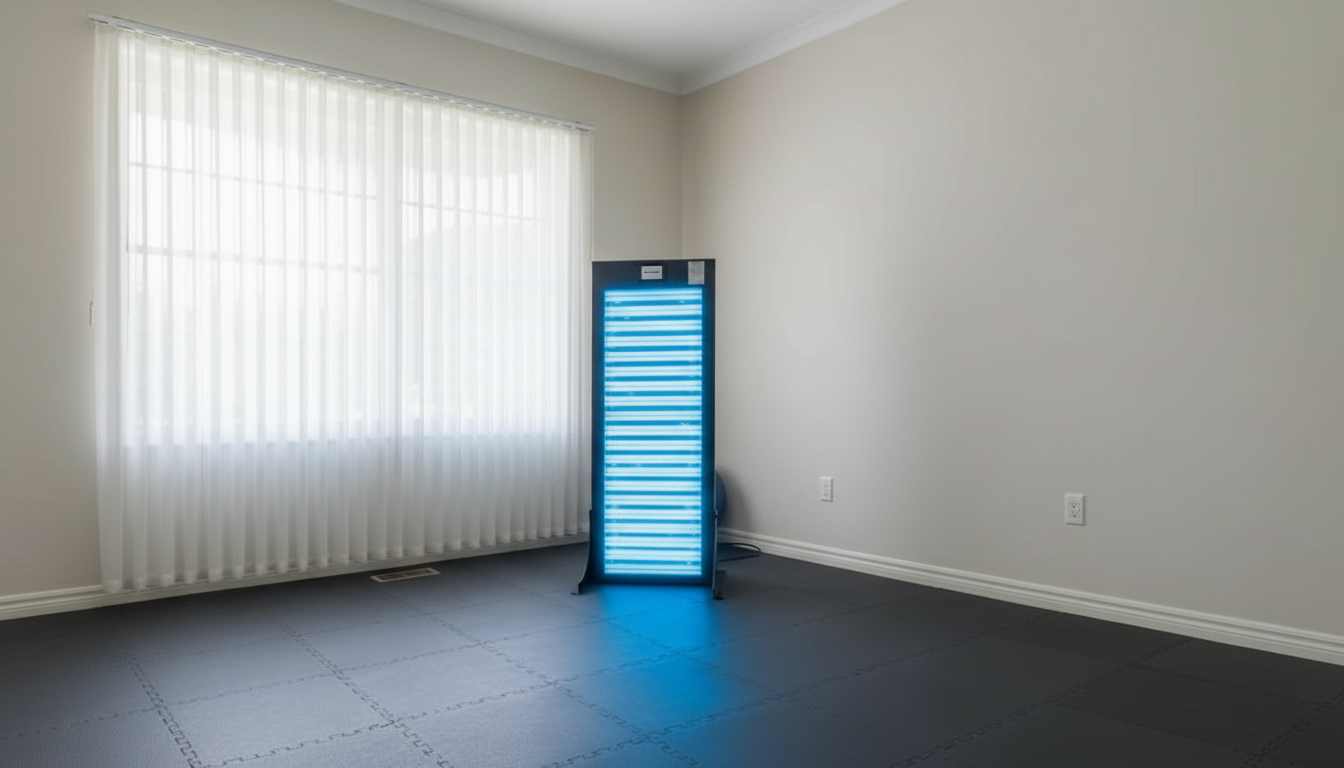
For decades, dermatologists have used narrowband UVB light to treat skin conditions like psoriasis and eczema. But the most exciting research is now looking beyond the skin. Scientists are exploring how this therapy’s immune-calming effects can help with systemic autoimmune diseases like multiple sclerosis, long COVID, and chronic fatigue syndrome. The therapy works by using a specific wavelength of light to reduce inflammation throughout the body. This offers a new path for people who feel underserved by current treatments. To access this innovative therapy, you’ll need to buy a prescription narrowband UVB lamp. Here, we’ll cover the science and the practical steps for using this treatment for systemic health.
Key Takeaways
- A Prescription is Your First Step to Safe Treatment: A prescription isn’t a barrier; it’s your starting point for a safe and personalized therapy plan. It ensures you get an FDA-cleared medical device and work with your doctor to create a protocol that’s right for you.
- The Right Wavelength Calms Your Immune System: Narrowband UVB therapy works by using a very specific wavelength of light (311-313 nm) to reduce the inflammation that drives autoimmune symptoms. This targeted approach addresses the underlying immune response, not just the symptoms.
- Focus on Key Features and Long-Term Costs: When choosing a device, confirm it’s FDA-cleared, has a built-in timer, and emits the correct wavelength. Also, ask about insurance coverage and bulb replacement costs to understand the full investment in your health.
What Is a Prescription Narrowband UVB Lamp?
If you’re exploring treatment options for an autoimmune condition, you may have come across narrowband UVB (NB-UVB) phototherapy. So, what exactly is it? A prescription narrowband UVB lamp is a medical device designed to treat certain health conditions using a very specific wavelength of ultraviolet light, typically centered around 311 nanometers. Think of it as a highly targeted and therapeutic form of light.
Unlike the broad-spectrum UV light from the sun or a tanning bed, this precise sliver of the light spectrum has unique effects on the immune system. Because it’s a powerful medical treatment, these devices are cleared by the FDA and require a prescription from your healthcare provider. This ensures you get a device that is both safe and effective for your specific needs, allowing you to manage your condition with innovative treatment options from the comfort of your home.
How Does Narrowband UVB Therapy Work?
Narrowband UVB therapy works by calming down overactive immune cells in your body. When your skin is exposed to this specific wavelength of light, it helps reduce the inflammation that drives many autoimmune symptoms. For decades, dermatologists have used NB-UVB phototherapy to manage immune-driven skin conditions like psoriasis and eczema. The goal is to slow the rapid growth of skin cells and ease inflammation. For many people, successful treatment can lead to long periods of remission—sometimes up to 18 months—without needing other therapies. This research-backed approach offers a way to manage your condition by addressing the underlying immune response.
Prescription vs. Over-the-Counter: What’s the Difference?
You might see many light therapy devices for sale online, but a prescription NB-UVB lamp is in a completely different category. Over-the-counter devices, like red light wands or seasonal affective disorder (SAD) lamps, are not intended to treat medical conditions and don’t emit the specific 311 nm wavelength. Prescription devices are FDA-cleared medical equipment, which means they have been reviewed for safety and effectiveness. This distinction is crucial for both your results and your well-being. Getting a prescription also means you’ll be following a treatment plan designed by your doctor. Plus, many insurance plans cover home phototherapy when it’s prescribed, making it a more accessible option.
Why Do I Need a Prescription for a Narrowband UVB Lamp?
If you’ve started looking into home phototherapy, you’ve probably noticed that you can’t just add a clinical-grade narrowband UVB lamp to your online shopping cart. These devices require a prescription, and for good reason. Think of it less like a barrier and more like a built-in safety measure that ensures you’re getting a legitimate medical device appropriate for your specific health needs.
This requirement separates powerful, therapeutic tools from general wellness gadgets. It’s the first step in a structured treatment plan designed by you and your doctor, confirming that you’re using a therapy with proven clinical backing under professional guidance. It’s all about making sure this powerful treatment is used safely and effectively.
Understanding FDA Regulations and Your Safety
The main reason you need a prescription is that the FDA classifies narrowband UVB lamps as Class II medical devices. This designation is for devices that have a moderate level of risk and require special controls to assure safety and effectiveness. Essentially, the FDA recognizes that NB-UVB light therapy is a potent, research-backed treatment that needs to be administered correctly.
This regulation is your ally. It protects you from purchasing ineffective or potentially unsafe devices that haven’t been subject to rigorous testing. When a device is FDA-cleared and requires a prescription, you can be confident that it meets strict standards for performance, quality, and safety. It’s a clear signal that you’re investing in a serious medical tool designed to deliver a specific, therapeutic dose of light.
The Importance of Medical Supervision
A prescription is more than just a piece of paper; it’s your entry into a guided treatment plan. Using a narrowband UVB lamp isn’t a one-size-fits-all process. Your doctor will create a personalized protocol for you, detailing your initial exposure times, how often you should have sessions, and how to gradually increase the duration. This guidance is critical for getting results while minimizing risks like skin redness or burns.
Having a doctor involved means you have an expert to monitor your progress and make adjustments as needed. Regular check-ins allow your provider to see how your body is responding and fine-tune your protocol. This partnership is what helps optimize home UVB phototherapy, turning a powerful device into a precise and effective treatment tailored just for you. It ensures you’re not going it alone and have professional support every step of the way.
What Conditions Can These Lamps Treat?
Narrowband UVB therapy has a long and successful track record in dermatology, but its potential doesn’t stop at the skin. Because this therapy works by calming an overactive immune response, researchers are exploring how it can help with a wider range of autoimmune conditions. The core idea is simple: by exposing the skin to a very specific wavelength of light, we can create a systemic effect that reduces inflammation throughout the body.
This approach gets to the heart of what many people with autoimmune diseases are looking for—a way to address the root cause of their symptoms, not just manage them. Whether you’re dealing with a visible skin condition or the invisible burden of systemic inflammation and fatigue, understanding how NB-UVB works is the first step. Let’s look at the conditions where this therapy is already a trusted treatment and where the science is headed next.
Psoriasis, Eczema, and Vitiligo
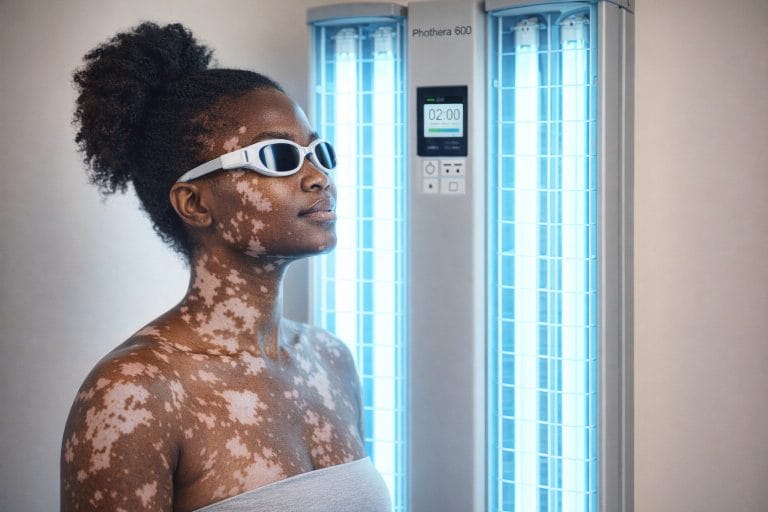
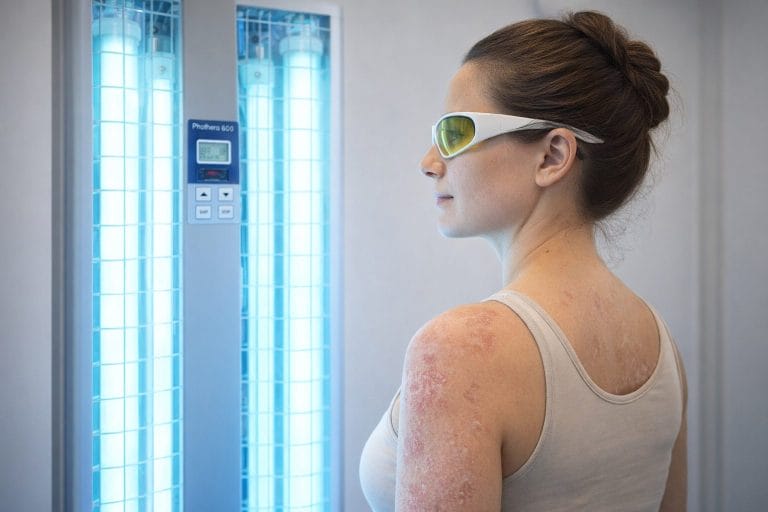
If you’ve ever seen a dermatologist for an autoimmune skin condition, you may have already heard about phototherapy. For decades, doctors have prescribed narrowband UVB light as a first-line treatment for a number of immune-driven skin conditions. It’s widely used and research-backed for managing psoriasis, eczema (atopic dermatitis), and vitiligo because it effectively calms the inflammation that causes plaques, rashes, and loss of pigment. The light penetrates the skin and slows the growth of affected skin cells while dialing back the local immune response. This makes it a go-to option for many people seeking a safe and effective way to find relief and regain clear skin.
Beyond Skin: Treating Systemic Autoimmune Conditions
The most exciting developments in phototherapy are happening beyond dermatology. Researchers are now studying how the immune-calming effects of NB-UVB light can help treat systemic autoimmune diseases that affect the entire body. Conditions like multiple sclerosis (MS), long COVID, and chronic fatigue syndrome are all characterized by chronic immune overdrive and systemic inflammation. Early studies suggest that at-home NB-UVB therapy can help reduce this inflammation, offering a new path forward for people who feel underserved by current treatments. This research aims to provide a safe, accessible therapy that addresses the underlying immune dysfunction driving these complex conditions.
What to Look For When You Buy
Once you have a prescription, the next step is choosing the right device. It can feel like a big decision, but knowing what to look for makes the process much clearer. Not all phototherapy lamps are the same, and the details are what separate a consumer gadget from a medical-grade treatment tool. Think of it less like shopping and more like equipping yourself with the right support for your health journey.
To make a confident choice, you’ll want to focus on four key areas: the specific light wavelength, essential safety certifications, practical features like timers and coverage area, and the long-term costs of maintenance. Getting these details right ensures you’re investing in a device that is not only effective but also safe and suited to your specific treatment plan. We’ll walk through each of these points so you know exactly what to ask and what to look for.
The Right Wavelength (311-313 nm)
The single most important feature of a therapeutic UVB lamp is the wavelength of light it emits. For treating autoimmune conditions, you need a device that operates in the narrowband UVB range, specifically between 311 and 313 nanometers. This isn’t just a technical detail—it’s the very foundation of the therapy. This specific sliver of the light spectrum is considered the therapeutic sweet spot, delivering the anti-inflammatory and immune-calming benefits while minimizing the risks associated with broader spectrum UV light. Any device outside this precise range won’t provide the same clinical effects and may not be as safe for home use. Always confirm the device is a true narrowband UVB lamp.
Essential Safety Features and Certifications
Since this is a medical device you’ll be using at home, safety is paramount. The most critical thing to look for is FDA clearance. This indicates that the device has been reviewed for safety and effectiveness and is legally marketable in the US for medical purposes. A prescription is required for these devices for this very reason—it ensures you are using a legitimate medical tool under a doctor’s care. Beyond FDA clearance, look for sturdy construction, clear user manuals, and protective eyewear included with your purchase. Your safety during treatment is a top priority, and a well-made, properly certified device reflects that.
Coverage Area and Built-in Timers
Think about the practical side of your daily treatments. The lamp’s coverage area should match your needs. If you’re treating small, localized areas, a handheld unit might be perfect. For more widespread conditions, a larger panel or full-body unit will make treatment more efficient. Just as important is a built-in digital timer. Your doctor will prescribe treatments that are timed down to the second. A timer is essential for delivering the precise dose of light required for your protocol, preventing both underexposure and accidental overexposure. This feature is non-negotiable for safe and effective home phototherapy.
Lamp Lifespan and Replacement Costs
A narrowband UVB lamp is a long-term investment in your health, so it’s wise to consider the ongoing costs. The bulbs in these units have a finite lifespan, typically measured in hours of use. Before you buy, find out the expected life of the bulbs and the cost of replacements. Some manufacturers offer bulbs that last for hundreds of hours, while others may require more frequent changes. Factoring in these replacement costs will give you a more accurate picture of the total investment over time. Choosing a device with durable, long-lasting bulbs can save you money and ensure your treatment remains consistent without interruption.
Comparing the Top Narrowband UVB Brands
When you start looking for a prescription UVB lamp, you’ll find a few key players in the market. While all reputable brands produce FDA-cleared devices that deliver the correct wavelength of light, they often have different areas of expertise and focus. Some companies have deep roots in dermatology, primarily serving patients with skin conditions like psoriasis and eczema. Others are pushing the boundaries of research, exploring how light therapy can address systemic inflammation and fatigue associated with a wider range of autoimmune diseases.
Understanding these distinctions can help you choose a brand that aligns with your specific health goals and treatment plan. It’s not just about the hardware; it’s about the company’s mission, the support they offer, and their commitment to advancing the science behind phototherapy. For example, a company dedicated to systemic autoimmune conditions might offer different resources or be involved in clinical trials that are relevant to your needs. We’ll look at a few of the top brands to give you a clearer picture of the landscape, from pioneers in dermatological care to innovators focused on the future of autoimmune treatment. This comparison will help you have a more informed conversation with your doctor about which device is the right fit for you.
Cytokind: A Focus on Autoimmune Health
Cytokind stands out for its dedicated focus on the connection between light therapy and systemic autoimmune diseases. As a medical device and drug discovery company, its mission extends beyond skin-deep treatments. An article in Scientific American highlighted this innovative approach, exploring how narrowband ultraviolet B (NB-UVB) light—long approved for skin conditions—is now being studied for its potential to treat conditions like multiple sclerosis (MS). This forward-thinking research positions Cytokind at the forefront of using phototherapy to address the root causes of inflammation and immune dysregulation in the body, offering hope for those with complex autoimmune conditions.
National Biological Corporation
National Biological Corporation is a well-established name in the world of phototherapy, with a strong history in dermatology. Their devices are widely used for managing immune-driven skin conditions, and the company emphasizes that NB-UVB light therapy is a doctor-prescribed, research-backed treatment used to calm inflammation and improve outcomes. For decades, dermatologists have trusted their products to help patients with conditions like psoriasis, vitiligo, and eczema. If you’re seeking a solution primarily for a skin-related autoimmune issue, National Biological is a brand that your dermatologist will likely know and trust, backed by a long track record of clinical use and reliability in the field.
Daavlin and UVBiotek
Daavlin and UVBiotek are two other major brands that have made home phototherapy a practical and accessible option for many people. They specialize in creating user-friendly devices that allow patients to manage their conditions from the comfort of their own homes. Research shows that with proper patient education and physician oversight, home phototherapy is well tolerated and efficacious for treating conditions like moderate to severe psoriasis. These companies excel at providing the equipment and support needed for safe at-home use, emphasizing the importance of a close partnership between the patient and their doctor to optimize treatment and ensure the best possible results.
Breaking Down the Cost of a UVB Lamp
Looking at the price of medical equipment can feel like a lot, but it helps to see it as an investment in your health. The total cost of a narrowband UVB lamp isn’t just the initial price—it also includes potential insurance coverage and ongoing maintenance like bulb replacements. Understanding these parts will give you a clear financial picture. For many, the convenience of at-home treatment is a worthy trade-off for the time and money spent on clinic visits. You’re investing in one of the more innovative treatment options for calming your immune system. Let’s break down what to expect.
Typical Price Ranges by Model
The initial price of a narrowband UVB lamp can vary quite a bit depending on its size and features. Smaller, handheld units designed for treating specific spots are the most affordable, often starting around a few hundred dollars. For example, a popular portable model might cost about $300. As you move up to larger panel units that can treat bigger areas of the body, or full-body booths like those used in clinics, the price increases significantly, potentially reaching several thousand dollars. When comparing models, consider the size of the area you need to treat and look for essential features like a built-in timer, which adds to the safety and precision of your treatments.
Will Insurance Cover It?
This is the big question for many people, and the answer is often yes. Many insurance plans do provide coverage for home phototherapy equipment when it’s deemed medically necessary and prescribed by your doctor. Some insurance providers may require you to try other treatments first, like topical creams or systemic medications, before they approve coverage for a home unit. The best first step is to call your insurance company directly. Ask them about their specific requirements for covering durable medical equipment (DME) for phototherapy. Having your prescription and diagnosis information ready will make the conversation much smoother.
Factoring in Maintenance and Bulb Replacement
Beyond the initial purchase, the main ongoing cost to plan for is bulb replacement. The specialized bulbs in these lamps have a long lifespan, but their therapeutic effectiveness decreases over time, well before they actually burn out. For instance, many of the high-quality Philips UVB lamps used in these devices have a total lifespan of about 1,000 hours. However, to ensure you’re always getting the most effective dose, manufacturers often recommend replacing them after about 350 hours of use. Keeping track of your usage and replacing the bulbs on schedule is key to maintaining the best possible results from your therapy.
Common Myths About Home Phototherapy
Considering a new treatment can bring up a lot of questions, and home phototherapy is no exception. It’s easy to find conflicting information online, which can make it hard to separate fact from fiction. If you’re feeling hesitant, you’re not alone. Many of the common concerns about using a narrowband UVB lamp at home are based on simple misunderstandings. Let’s clear up a few of the biggest myths so you can feel confident about your treatment options.
Myth #1: It’s Not Safe to Do at Home
This is probably the most common concern, and it’s completely understandable. The idea of using medical-grade light therapy without a doctor physically present can seem risky. However, when done correctly, home phototherapy is a very safe option. That’s precisely why you need a prescription. Your doctor will provide a specific treatment plan, including session duration and frequency, tailored to your condition and skin type. FDA-cleared devices also have built-in safety features, like controlled timers, to prevent overexposure. Research has shown that with proper patient education and medical oversight, home phototherapy is a well-tolerated and safe approach for managing chronic conditions.
Myth #2: It’s Not as Effective as In-Clinic Treatment
It’s easy to assume that a treatment administered in a clinic must be more powerful or effective than one you can do yourself. But when it comes to narrowband UVB therapy, effectiveness is all about consistency. In fact, the convenience of a home unit can lead to better results because you’re less likely to miss sessions due to scheduling conflicts, travel time, or bad weather. Studies confirm that a practical approach to home UVB phototherapy is just as effective as in-office treatments for many people. You’re using the same core technology to get the same therapeutic benefits, just on a schedule that fits your life.
Myth #3: Insurance Won’t Cover the Cost
Don’t let the potential price tag stop you from exploring your options. While it’s true that medical devices can be a significant investment, many insurance plans do cover the cost of a prescription home phototherapy unit. It’s often considered a form of durable medical equipment (DME). Insurers may even prefer it, as it can be more cost-effective in the long run compared to repeated clinic visits. The key is to get a prescription from your provider and check your specific plan’s coverage. You may need to show that you’ve tried other treatments first, but phototherapy is often covered when deemed medically necessary.
Where to Buy Your Prescription UVB Lamp
Once you have a prescription from your doctor, you’re ready to find the right narrowband UVB lamp. You have a few different options for purchasing a medical-grade device, and each has its own benefits. The most important thing is to source your lamp from a reputable seller to ensure it’s safe and effective for your treatment plan. Let’s walk through the most common places to buy your device so you can make a choice that feels right for you.
Specialized Medical Suppliers
One of the most reliable ways to purchase a phototherapy unit is through a specialized medical supplier. These companies focus exclusively on medical equipment and often have decades of experience. They typically carry a range of trusted brands and have a deep understanding of the products they sell. For example, some suppliers are major distributors of Genuine Philips UVB medical lamps, which are widely used in phototherapy. Going through a specialist gives you confidence that you’re buying a legitimate, high-quality device designed for medical use, not a cosmetic gadget. They can also be a great resource for questions about different models.
Directly Through Your Doctor’s Office
Your doctor’s office or clinic might be your most direct route to getting a lamp. Many dermatologists and specialists who prescribe phototherapy have established relationships with device manufacturers and can help you order the right one. This is an excellent option because your care team can guide you to the exact model that fits your prescription and treatment goals. Companies like Cytokind work closely with clinicians to provide device options and support for patients. This process streamlines everything, as your doctor can handle the prescription verification and ordering, ensuring you get a device they trust for your care.
Buying Online: What to Know
While the convenience of online shopping is undeniable, it’s essential to be extra careful when buying a medical device this way. Your top priority is to verify that you’re purchasing from a legitimate source. Look for sellers that explicitly state their products are FDA-cleared and require a prescription for purchase. Avoid general online marketplaces where you might find unverified sellers or lamps that aren’t intended for medical treatment. A reputable company will be transparent about its credentials. Following the FDA’s tips for buying a medical device online can help you make a safe and informed decision.
Your Next Steps: How to Get Started
Feeling ready to explore narrowband UVB therapy? That’s great. Getting started is a straightforward process when you break it down into a few key steps. Here’s how you can move forward with confidence, from getting the green light from your doctor to setting up your first session at home. This is about taking control of your health journey, and these steps will help you do it safely and effectively.
Get a Prescription From Your Doctor
Your first conversation should always be with your doctor. A prescription is necessary to purchase a medical-grade narrowband UVB lamp, and this step ensures that phototherapy is a safe and appropriate choice for you. Your dermatologist or primary care provider can assess your condition, discuss the potential benefits, and write the prescription you need. While we can provide all the information you need about our innovative treatment options, the official go-ahead comes from your trusted medical professional. This partnership is essential for a safe and effective treatment journey.
Choose the Right Model for You
With a prescription in hand, you can select the right device. The best UVB lamp for you is one that is simple to use and fits your treatment needs. Look for FDA-cleared devices that emit the specific narrowband UVB wavelength of 311-313 nm, which is considered the standard for safe and effective home use. Think about the size of the area you need to treat. A smaller, handheld unit might be perfect for localized spots, while a larger panel could be better for more widespread conditions. Your goal is to find a medically approved device that makes sticking to your treatment plan as easy as possible.
Set Up Your Treatment Protocol
Your device is only half of the equation—your treatment protocol is just as important. You’ll work directly with your doctor to establish a personalized plan. This includes how often you’ll have sessions, how long each session will last, and the starting dose of light exposure. Following this plan consistently is key. Skipping sessions means you’re not giving your body the steady stimulus it needs to respond. With proper patient education and guidance from your provider, home phototherapy can be a highly effective and well-tolerated treatment for managing your condition.
Related Articles
- Buy a Home Phototherapy Unit: A Prescription Guide
- UVB Light Therapy at Home: A Step-by-Step Guide
- Your Guide to Safe At-Home UVB Therapy for Psoriasis
- How At-Home UVB Therapy for Inflammation Works
- Narrowband Phototherapy 101: A Complete Guide
Frequently Asked Questions
Is using a narrowband UVB lamp the same as going to a tanning bed? Not at all. A tanning bed exposes you to a broad spectrum of UVA and UVB light, which is associated with skin damage and cancer risk. A prescription narrowband UVB lamp is a medical device that uses a very specific, therapeutic wavelength of light (around 311 nm) to calm your immune system and reduce inflammation. Think of it as a precise medical tool rather than a cosmetic one.
How long does it take to see results from the treatments? Results vary from person to person and depend on the condition being treated. The key to success is consistency. Your doctor will create a treatment schedule for you, and sticking to it is what allows the therapy to work effectively over time. Some people may notice improvements within a few weeks, while for others, it might take a couple of months of regular sessions to see significant changes.
What does a typical treatment session at home feel like? A home phototherapy session is surprisingly simple and quick. Most treatments last anywhere from 30 seconds to just a few minutes. You’ll stand in front of the lamp, exposing the targeted area of your skin to the light. You won’t feel much of anything during the session itself—perhaps a mild warmth. The process is painless and designed to fit easily into your daily routine.
Can I use narrowband UVB therapy if I’m taking other medications for my condition? This is an important conversation to have with your doctor. Many people use phototherapy alongside other treatments, but your healthcare provider needs to have a full picture of your medical plan. Some medications can make your skin more sensitive to light, so your doctor will review everything you’re taking to ensure your treatment protocol is both safe and effective for you.
Do I need to do anything special to prepare my skin before a session? For the best results, your skin should be clean and dry before each treatment. It’s best to avoid applying any lotions, creams, or ointments right before your session unless your doctor specifically instructs you to do so. Some topicals can block the light or cause a skin reaction, so a clean slate is always the safest starting point.