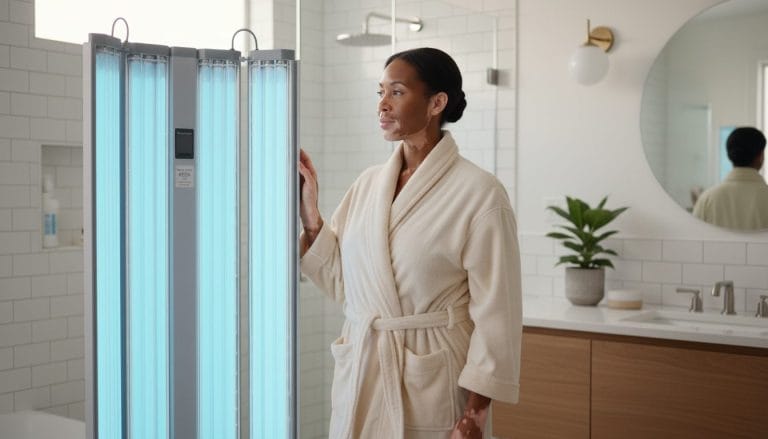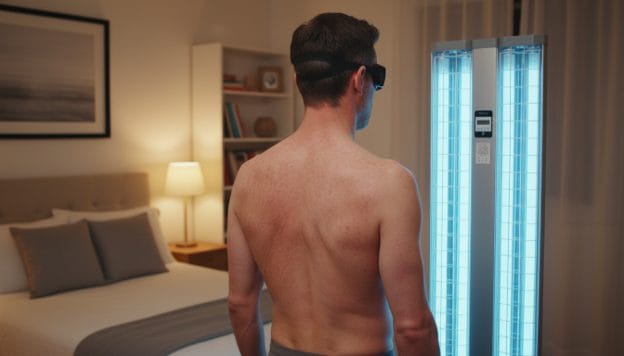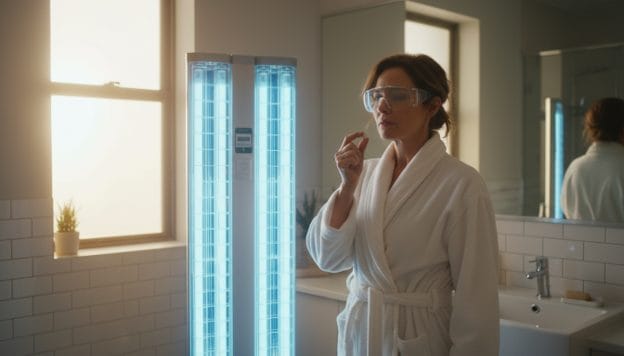
You may have heard about light therapy as a first-line treatment for skin conditions like psoriasis and eczema, where it has a long track record of success. But the science behind this therapy goes much deeper than the skin. Because narrowband UVB light works by regulating the immune system, it has the potential to address the systemic inflammation that causes symptoms like fatigue. This is why a home NB-UVB phototherapy system is becoming such a compelling option for a wider range of autoimmune conditions. Here, we’ll explore how this treatment works and what the research says about its benefits beyond dermatology.
Key Takeaways
- Home phototherapy is a prescribed medical treatment: This isn’t a wellness gadget; it’s a powerful, FDA-cleared device that uses a specific wavelength of light to calm your immune system’s response, allowing you to manage conditions like psoriasis, vitiligo, and eczema from home.
- Your success depends on a consistent and safe routine: The key to getting results is strictly following the treatment plan your doctor creates. This means using the built-in timer, wearing protective eyewear, and never skipping sessions to safely build your skin’s tolerance.
- You can achieve clinic-level results with at-home convenience: Research shows home NB-UVB is just as effective as in-office treatments. By investing in a home system, you take control of your schedule, save time, and manage your condition effectively on your own terms.
What Is a Home NB-UVB Phototherapy System?
If you’re dealing with a chronic autoimmune condition, you’ve likely explored a lot of treatment avenues. A home narrowband UVB (NB-UVB) phototherapy system is a medical device that allows you to use a specific type of light therapy right in your own space, on your own schedule. Think of it as a proven, effective, and safe way to manage chronic skin conditions like psoriasis, vitiligo, and eczema without relying solely on medications that can affect your entire body.
Unlike treatments that use broad-spectrum UV light, narrowband UVB uses a very precise wavelength of light to target inflammation where it starts. This approach helps calm your immune system’s overactive response, which is often the root cause of frustrating symptoms. It’s a way to address the issue at the skin level, rather than taking a systemic medication that impacts your whole body. For many, it’s one of the most effective innovative treatment options available for getting long-term relief and improving their quality of life. Because these are powerful medical devices, you’ll need a prescription from your doctor to get one and use it safely at home. Your dermatologist or care provider will guide you on the right treatment schedule and duration to ensure you get the best possible results while minimizing any risks.
How Narrowband UVB Light Works
So, what makes “narrowband” UVB special? It all comes down to precision. This type of phototherapy uses a very specific sliver of the ultraviolet B (UVB) light spectrum—between 311 and 313 nanometers, to be exact. Decades of research have shown this is the most therapeutic part of the UV spectrum for treating inflammatory skin diseases. It’s the sweet spot that effectively reduces inflammation and slows down the rapid cell growth seen in conditions like psoriasis. At the same time, it minimizes the risks often associated with UV exposure, like burning or long-term skin damage. This targeted light penetrates the skin and helps restore a healthier balance to your body’s immune response.
The Perks of At-Home Treatment
The biggest advantage of a home phototherapy system is that it puts you in control. Instead of scheduling your life around multiple weekly trips to a clinic, you can fit your treatments into your own routine—whether that’s first thing in the morning or before you go to bed. This consistency is key to getting great results. Plus, you get to do it all from the comfort and privacy of your own home. And don’t worry about sacrificing quality for convenience. Studies have shown that home NB-UVB phototherapy is just as effective as the treatments you’d receive in a doctor’s office. With guidance from your provider, you can manage your condition effectively and reclaim your time.
What Conditions Can Home Phototherapy Help?
Narrowband UVB phototherapy is a well-established treatment for a number of autoimmune skin conditions. It works by delivering a specific wavelength of ultraviolet light that helps calm down the overactive immune response in the skin, reducing inflammation and slowing the rapid growth of skin cells. For many people, it’s a trusted and effective option prescribed by dermatologists when topical treatments aren’t enough.
While it’s most famous for its effects on the skin, the science behind phototherapy is expanding. Researchers are exploring how its ability to modulate the immune system might offer benefits for other conditions rooted in inflammation and immune dysfunction. This makes it a compelling option for anyone looking for innovative treatment options that address more than just surface-level symptoms. Let’s look at the conditions where home phototherapy has a proven track record and where the research is headed next.
Psoriasis
If you have psoriasis, you know it’s more than just a skin condition—it’s an autoimmune response that causes skin cells to multiply too quickly, leading to inflamed, scaly patches. Narrowband UVB phototherapy is a first-line treatment that works by slowing down this rapid cell growth and reducing inflammation. The best part? You don’t have to schedule your life around clinic visits. Research confirms that home NB-UVB phototherapy is at least as effective as outpatient treatments for mild to severe psoriasis. Having a system at home gives you the consistency and convenience needed to manage flare-ups and maintain clearer skin on your own schedule.
Vitiligo
Vitiligo is an autoimmune condition where the immune system attacks melanocytes, the cells that give your skin its color. This results in patches of skin losing their pigment. Narrowband UVB light can help in two ways: it calms the immune attack and can stimulate the remaining melanocytes to produce pigment again, helping to restore color to the affected areas. Phototherapy is a cornerstone of vitiligo treatment, but results take time and consistency. An at-home unit makes it much easier to stick with the frequent sessions needed for repigmentation, giving you a better chance at seeing the results you’re hoping for.
Eczema
For those dealing with the persistent itch and inflammation of atopic dermatitis, or eczema, phototherapy can be a game-changer. This condition is driven by an overactive immune response in the skin, and NB-UVB light helps to dial that response down. It’s considered a safe and effective first-line treatment for moderate to severe eczema because it can significantly reduce itching and inflammation, helping to break the frustrating itch-scratch cycle. By calming the skin at a cellular level, at-home phototherapy offers a practical way to manage symptoms and reduce reliance on topical steroids over the long term.
Beyond the Skin: Other Autoimmune Conditions
The benefits of NB-UVB light may not stop at the skin. Because it has a proven ability to regulate the immune system, researchers are actively exploring its potential for other autoimmune and inflammatory conditions. This is an exciting frontier, offering hope for those with systemic issues like fatigue and widespread inflammation. Studies suggest that UVB light therapy can be a compelling solution for those facing immune system challenges. This includes emerging research into its effects on conditions like Multiple Sclerosis, Long Covid, and Chronic Fatigue Syndrome, where calming an overactive immune system is key to managing symptoms.
Key Features to Look for in a Home NB-UVB System
Choosing a home phototherapy system can feel like a big decision, but knowing what to look for makes the process much clearer. Not all devices are built the same, and the right features can make a world of difference in your treatment experience. From the quality of the light itself to essential safety controls, these are the key elements to consider to ensure you’re investing in a system that is both safe and effective for your needs.
Wavelength and Lamp Quality
The “narrowband” in NB-UVB is the most important part. This therapy uses a very specific wavelength of light—between 311 and 313 nanometers—to achieve its therapeutic effect. This precise range is considered the sweet spot for calming the immune system’s response in the skin while minimizing the risks associated with broader spectrum UV light. When you’re comparing systems, confirm that the device uses high-quality lamps that emit this exact narrowband UVB wavelength. Consistent, accurate light output is what delivers reliable results, so lamp quality is not a place to cut corners.
Device Size and Coverage Area
Think about the areas you need to treat. Are you managing a condition that affects large parts of your body, like widespread psoriasis, or smaller, more targeted areas? Home systems range from small, handheld units to full-body panels. A larger panel can treat your entire body in just a few minutes, which is a huge plus for convenience and consistency. Studies have shown that for many people, home NB-UVB phototherapy is just as effective as treatment in a clinic. Choosing the right size for your needs helps you stick with your treatment plan and get the best possible results.
Essential Safety Features and Timers
Safety should be your top priority. A quality home phototherapy system will always include a precise, programmable digital timer. This feature is non-negotiable, as it prevents accidental overexposure, which can cause skin burns. The timer should automatically shut off the lamps when your prescribed treatment time is up. Other important safety features to look for include a key lock to prevent unintended use, especially if you have children in the house, and of course, FDA-approved protective eyewear. With the right equipment and proper patient education, you can perform your treatments at home with confidence.
FDA Clearance and Prescription Needs
A home phototherapy unit is a medical device, not a cosmetic gadget or a tanning bed. Because of this, you should only consider systems that have FDA clearance. This designation indicates that the device has been reviewed for safety and effectiveness for treating specific medical conditions. This is also why you’ll need a prescription from your doctor to purchase one. The prescription ensures that a healthcare provider has determined that NB-UVB is an appropriate treatment for you and will oversee your progress. This process protects you and ensures you’re using a legitimate, clinically validated therapy.
A Look at Top Home NB-UVB System Brands
Once you and your doctor decide that home phototherapy is the right path, the next step is choosing a system. With several reputable brands on the market, it helps to understand what makes each one unique. Think of this as a starting point for your research. Each company has a slightly different focus, whether it’s the type of conditions they treat, the design of their devices, or their approach to patient support. Some brands specialize in devices for widespread skin conditions like psoriasis, while others are pushing the boundaries of research to address the systemic inflammation tied to other autoimmune diseases.
The best system for you will depend on your specific diagnosis, the treatment plan your doctor prescribes, and your personal needs for convenience and ease of use. For example, do you need a full-body unit or a smaller, handheld device for targeted spots? Is the company known for strong customer support and educational resources? These are all important factors to consider. Below is a look at some of the leading brands that offer FDA-cleared home NB-UVB systems. As you review them, consider making a list of questions to discuss with your healthcare provider. They can help you weigh the features of each brand against your specific health goals to find the perfect fit for your at-home treatment journey.
Cytokind
Cytokind specializes in phototherapy systems that use narrowband UVB light to help calm an overactive immune system. While highly effective for skin-related autoimmune issues, their work is especially important for those of us dealing with systemic conditions where inflammation is a root cause of symptoms like fatigue. Their phototherapy systems are designed for targeted, effective treatment, making them a strong choice for anyone looking to manage the broader effects of an autoimmune condition. The company is also at the forefront of clinical research, exploring how NB-UVB can help with conditions beyond dermatology.
Solarc Systems
Solarc Systems is a well-known name in the home phototherapy world, manufacturing home devices that use narrowband UVB light to treat a variety of common skin conditions. Their product line is geared toward helping people manage psoriasis, vitiligo, and different forms of eczema right from the comfort of their own space. By focusing on creating convenient and effective home devices, they provide a practical option for patients who need consistent, ongoing treatment without the hassle of frequent clinic visits. Their equipment is designed to make managing your skin condition a seamless part of your routine.
UVBioTek
If you’re looking for a variety of options, UVBioTek offers a diverse range of home phototherapy devices. They leverage narrowband UVB light for the effective treatment of several skin conditions. Their systems are engineered with a focus on providing safe and efficient therapy, which has made them a reliable choice for many people managing skin disorders at home. With different models and configurations available, you and your doctor can find a device that fits your specific treatment area and lifestyle needs, ensuring you get a solution that feels custom-fit for your therapy goals.
Phothera
Phothera centers its work on providing phototherapy treatments for chronic skin conditions like psoriasis, vitiligo, and eczema. Their approach is all about delivering long-lasting results, and they place a strong emphasis on the safety and effectiveness of phototherapy as a primary treatment option. For patients who have been dealing with a persistent skin condition for years, Phothera’s focus on durable outcomes is a significant plus. Their phototherapy treatments are designed to help you not just manage your symptoms, but to maintain clearer skin and better health over the long term.
Understanding the Cost of Home Phototherapy
When you’re managing a chronic condition, the cost of treatment is always a major consideration. Investing in a home phototherapy system is a significant decision, but it’s helpful to view it as a long-term investment in your health and quality of life. The upfront price can seem high, but when you compare it to the cumulative costs of co-pays, travel, and time off work for clinic appointments, at-home treatment often becomes the more economical choice over time. Let’s break down what you can expect to pay and how you can manage the cost.
Typical Price Ranges
Most home narrowband UVB phototherapy systems fall in the $1,000 to $3,000 range. The final price depends on the device’s size, features, and the number of lamps it includes. While that’s a considerable purchase, it’s important to remember what you’re getting for it. For conditions like psoriasis, research indicates that home NB-UVB phototherapy is just as effective as treatments received in a clinic. By bringing this powerful technology into your home, you’re investing in a convenient and consistent way to manage your symptoms and improve your well-being on your own schedule.
Will Insurance Cover It?
This is one of the first questions most people ask, and the answer is often yes. The good news is that phototherapy is often covered by insurance, including at-home devices. Because home units require a prescription, they are recognized as a legitimate medical expense. Coverage typically depends on your specific plan and diagnosis. Your insurance provider may want to see that you’ve tried other treatments first, like topical creams. The best first step is to call your insurance company directly to ask about their requirements and coverage for durable medical equipment (DME) for home phototherapy.
Exploring Payment and Financing Plans
Even if your insurance covers a portion of the cost, you might still have out-of-pocket expenses. Don’t let that stop you from exploring your options. Many companies that sell home phototherapy systems offer payment or financing plans to make the purchase more manageable. When you factor in the savings on gas, parking, and time away from your daily life, many patients find that home phototherapy is a cost-effective alternative to the recurring expense of clinic visits. When you’re researching different systems, be sure to ask the manufacturer about what payment support they can provide.
What Are the Potential Risks and Side Effects?
Starting any new treatment means asking smart questions about safety. When it comes to home NB-UVB phototherapy, it’s helpful to know what to expect so you can feel confident and prepared. The good news is that narrowband UVB is widely considered a safe and effective option for many autoimmune conditions, with a well-established track record in clinical settings. The key is understanding how to use your system correctly and what your body might experience along the way.
Most side effects are mild and temporary, similar to what you might experience after spending a little too much time in the sun. The most important part of managing any potential risks is working closely with your healthcare provider. They will create a personalized treatment plan that carefully controls your exposure time, helping you get the benefits of the light while minimizing unwanted reactions. By following their guidance and listening to your body, you can make your at-home phototherapy experience both successful and safe.
Common Skin Reactions to Expect
When you begin phototherapy, your skin needs time to adjust. The most common side effect is mild redness, much like a light sunburn, which usually fades within a day. Some people also experience dryness or itching in the treated areas, which can typically be managed with a good moisturizer.
Occasionally, you might notice a spotty, itchy rash sometimes called “prickly heat.” The British Association of Dermatologists notes this happens to about one out of ten people and is usually not a cause for concern. These reactions are your skin’s response to the light, and they often lessen as your body gets used to the treatment schedule.
Thinking About Long-Term Safety
It’s natural to wonder about the long-term effects of any light-based therapy. The first question for many is about skin cancer risk. Thankfully, research in this area is reassuring. According to UVA Health, studies have not found a direct link between narrowband UVB phototherapy and skin cancer.
This is because NB-UVB uses a very specific, therapeutic wavelength of light, which is different from the broad-spectrum UV rays associated with sun damage. Following a prescribed treatment plan and using an FDA-cleared device ensures you are using light in a controlled, medical way. Regular check-ins with your dermatologist are also a great way to monitor your skin’s health over the long term.
How to Prevent Overexposure
The single most important factor for a safe phototherapy experience is following your prescribed treatment plan. Overexposure is the primary cause of side effects, and it’s completely preventable. While NB-UVB is considered safe and well-tolerated, even during pregnancy, sticking to your schedule is essential.
To prevent overexposure, always use your device’s built-in timer and never treat for longer than your doctor recommends. It can be tempting to add a few extra seconds, but consistency at the prescribed dose is what leads to the best results. Remember to wear your UV-blocking goggles for every session to protect your eyes and use sunscreen or clothing to cover any skin not being treated.
Home Systems vs. Clinic Treatments: A Comparison
Deciding between getting your light therapy treatments at a clinic or investing in a home system is a big step. Both paths can lead to great results, but they offer very different experiences. The right choice really comes down to your lifestyle, budget, and personal preferences. Let’s walk through the key differences in convenience, effectiveness, and cost to help you figure out which option fits your life best. This comparison will give you the clarity you need to have a productive conversation with your doctor about your treatment plan.
Convenience: Home vs. Clinic
This is where home treatment really shines. Clinic visits mean scheduling appointments, commuting, and sitting in a waiting room—all of which can be draining, especially when you’re already dealing with fatigue. A home system puts you in control. You can do your treatments whenever it works for you, whether that’s first thing in the morning or right before bed. This flexibility makes it so much easier to be consistent, which is key to seeing results. Having access to innovative treatment options you can use in the comfort of your own space can be a complete game-changer for managing a chronic condition and reclaiming your time and energy.
Is At-Home Treatment as Effective?
This is a question I hear all the time, and the research is really encouraging. Studies have found that for conditions like psoriasis, home NB-UVB phototherapy is at least as effective as treatments done in a clinic. The key to success is consistency and following your doctor’s instructions to the letter. While some providers have historically been hesitant to prescribe home units due to perceived risks, modern devices have advanced safety features that make them very safe for home use. When you’re committed to your treatment schedule and use the equipment as directed, you can achieve the same great results you’d get from a professional setting, right from your own home.
Comparing the Long-Term Costs
Let’s talk about the financial side of things. With clinic treatments, you’re often looking at co-pays for every single visit. When you need sessions multiple times a week, those costs—plus gas and parking—can add up fast. A home system has a higher upfront cost, but it can be more economical over time. The good news is that phototherapy is often covered by insurance, which can apply to both clinic visits and the purchase of a home unit. It’s always worth checking with your insurance provider to see what your plan covers. For many people, investing in a home device ends up being the more affordable and sustainable choice for long-term management.
What Results Can You Expect?
Starting a new treatment comes with a lot of questions, and the biggest one is usually, “Will this work for me?” While every person’s journey with an autoimmune condition is unique, home NB-UVB phototherapy is a well-established treatment with a strong track record. The key is to have realistic expectations and a commitment to the process. Your results will depend on your specific condition, its severity, and how consistently you follow your treatment plan. Remember, this isn’t an overnight fix, but a gradual process of calming your immune system and reducing inflammation. Working closely with your healthcare provider will help you track your progress and make any necessary adjustments to your routine.
How Long Until You See a Difference?
Patience is a virtue, especially with phototherapy. It takes time for your body to respond to the light treatments. Most people begin to see initial changes within a few weeks, but significant improvement can take one to three months of consistent sessions. For skin conditions like psoriasis, research shows that home NB-UVB phototherapy is at least as effective as treatments received in a clinic. The timeline can vary based on your skin type and the condition you’re treating. Your doctor will help you set realistic milestones and monitor your progress along the way, ensuring you’re on the right track to achieving clearer skin and reduced symptoms.
What Factors Influence Your Success?
Your success with home phototherapy hinges on a partnership between you and your doctor. Following your prescribed treatment schedule is the most critical factor. With proper education and monitoring, home phototherapy is a highly effective and well-tolerated approach for many autoimmune conditions. Because NB-UVB is considered a first-line treatment for many skin diseases, its effectiveness is well-documented. Other factors that play a role include the severity of your condition and your skin’s individual response to UV light. By choosing from innovative treatment options like home phototherapy, you are taking an active role in managing your health, which is a powerful step toward feeling better.
How to Build Your UV Tolerance Safely
Think of your phototherapy plan as a fitness routine for your skin. You wouldn’t run a marathon on your first day of training, and the same principle applies here. You’ll start with very short exposure times, often just a matter of seconds, to allow your skin to acclimate. Your doctor will provide a clear, gradual plan to slowly increase your treatment duration. This methodical approach is designed to maximize benefits while minimizing risks like redness or burns. Skipping sessions can interrupt this process and slow your progress, as your skin needs a steady stimulus to heal. Consistency is your best friend when it comes to building tolerance and achieving the results you want.
Common Challenges with Home Phototherapy
Switching to at-home phototherapy can be a game-changer for managing your health, but it’s helpful to go in with a clear picture of the road ahead. Like any new routine, it can come with a few hurdles. The good news is that these challenges are completely manageable with the right information and a solid plan. Knowing what to expect can help you prepare, stay motivated, and get the most out of your treatment from day one. Let’s walk through some of the most common obstacles and how you can confidently move past them.
Overcoming Access Hurdles
One of the first challenges you might encounter is simply getting access to a home unit. Because home NB-UVB systems are medical devices that require a prescription, you’ll need to work with your healthcare provider. Research has shown that “significant barriers prevent many patients from accessing this therapy,” sometimes because providers aren’t familiar with modern home systems or have concerns about safety.
If you’re interested in exploring innovative treatment options, it’s important to have an open conversation with your doctor. Come prepared with information about the specific condition you want to treat and why you believe at-home phototherapy is a good fit for your lifestyle. Many companies can also provide resources for your doctor to review, making it easier for them to write the prescription with confidence.
The Learning Curve: Education and Training
Bringing a medical device into your home can feel a little intimidating at first. You might worry about using it correctly, and you’re not alone—some doctors hesitate to recommend home phototherapy “due to the perceived high risk of treatment.” However, today’s home units are designed with user safety as the top priority, featuring controlled timers and precise light delivery to prevent overexposure.
Your provider and the device manufacturer will give you all the training materials you need to get started safely. Take time to read the user manual thoroughly and follow your prescribed treatment plan exactly. You’ll learn how to position the device, set the correct duration, and protect your skin. It might feel like a lot of information initially, but you’ll quickly fall into a comfortable and confident routine.
Why Sticking to a Schedule Matters
Once you have your system set up, the biggest challenge becomes consistency. Life gets busy, and it can be easy to let a session slide. But when it comes to phototherapy, sticking to your schedule is critical for seeing results. As one expert notes, “Skipping sessions means you’re not giving your skin the steady stimulus it needs to heal.” Each treatment builds on the last to help calm your immune system and reduce inflammation.
To stay on track, try integrating your sessions into your existing daily routine. Maybe you do your treatment first thing in the morning or while listening to your favorite podcast in the evening. Set reminders on your phone and track your sessions in a journal. Seeing your own consistency can be a powerful motivator, especially as you start to see and feel the positive changes from the therapy.
How to Get Started with Your Home NB-UVB System
Bringing medical-grade light therapy into your home can feel like a huge step forward in managing your health. It gives you control and convenience that clinic visits just can’t match. But because this is a powerful medical treatment, getting started the right way is essential for your safety and for getting the results you want. It’s not as simple as unboxing a new lamp and flipping a switch.
Think of it as a partnership between you, your doctor, and your new device. Your doctor provides the medical guidance, the device delivers the precise therapy, and you create the consistent routine that makes it all work. To make the process feel less overwhelming, we can break it down into three clear steps. First, you’ll need to connect with your healthcare provider to get a prescription. Next, you’ll prepare a dedicated and safe space in your home for your treatments. Finally, you’ll work with your doctor to establish a consistent schedule that fits your life and your health needs. Following these steps will help you begin your at-home phototherapy journey with confidence.
First, Talk to Your Doctor About a Prescription
Before you do anything else, the most important first step is to talk with your doctor. Home phototherapy is a prescription-based treatment, and for good reason. A healthcare provider needs to confirm that NB-UVB is the right fit for your specific condition and overall health. They will assess your medical history, discuss potential side effects, and write the prescription you’ll need to purchase an FDA-cleared device. As research on at-home treatment emphasizes, this conversation is critical to ensure phototherapy is appropriate for you. This isn’t a step to skip; it’s the foundation for a safe and effective treatment plan that’s tailored just for you.
Set Up Your Treatment Space for Safety
Once you have your prescription, it’s time to prepare your home. Designate a private, comfortable space where you can perform your treatments without interruption. This could be a bathroom, a bedroom, or a walk-in closet. The key is consistency and safety. Make sure you have a sturdy, level surface for your device and easy access to an electrical outlet. Always use the protective eyewear that comes with your system, and be sure to use a device with built-in safety features like a controlled timer. It’s crucial to avoid common mistakes in home phototherapy, like using a lamp not designed for medical use. A proper setup makes your routine smoother and safer.
Create Your Ideal Treatment Schedule
Consistency is everything when it comes to phototherapy. Working with your doctor, you’ll create a treatment schedule that outlines how often and for how long you’ll use your device. Sticking to this plan is what helps you build your skin’s tolerance to the UV light and achieve the best possible results over time. Studies show that a practical approach with close follow-up is what makes home phototherapy both effective and well-tolerated. Try to do your treatments at the same time on your scheduled days to build a strong habit. Your doctor will monitor your progress and adjust the schedule as needed, so keep those follow-up appointments to stay on track.
Related Articles
- Clinical NB-UVB Phototherapy: Advanced Care
- Phototherapy – Safe & Effective Treatment for Psoriasis & Eczema
- Buy a Home Phototherapy Unit: A Prescription Guide
- Safe NB-UVB Phototherapy Devices for Home & Clinical Use
- Autoimmune Disease and Innovative Treatment Options – Cytokind
Frequently Asked Questions
Is a home phototherapy system just a fancy tanning bed? Not at all. A home phototherapy system is a medical device that uses a very specific, therapeutic wavelength of light (narrowband UVB) to calm your immune system. Tanning beds use a broad spectrum of UVA and UVB light designed for cosmetic tanning, which doesn’t offer the same medical benefits and carries higher risks. Think of your home unit as a precise tool prescribed by your doctor for a specific health purpose.
What happens if I miss a scheduled treatment? Life happens, and you might miss a session here and there. The most important thing is to not double up on your next treatment to “catch up,” as this could lead to overexposure and skin irritation. Simply get back on your regular schedule with your next planned session. If you find you’re missing treatments frequently, it’s a good idea to check in with your doctor, as consistency is what truly drives results.
Can I use this for fatigue and inflammation even if my skin is clear? This is a great question and touches on an exciting area of research. While NB-UVB is well-known for treating skin conditions, its ability to regulate the immune system has benefits that go deeper. Researchers are actively exploring how it can help with systemic symptoms like fatigue and inflammation common in other autoimmune conditions. You should discuss your specific symptoms with your doctor to see if this approach is a good fit for your overall treatment plan.
How do I talk to my doctor if they seem hesitant to prescribe a home unit? It’s helpful to go into the conversation prepared. You can explain why the convenience of a home system would help you stick to a treatment plan consistently. Mention that modern, FDA-cleared devices have advanced safety features, like locked controls and precise digital timers, to prevent misuse. You can also direct them to the manufacturer’s website, as companies like Cytokind often have resources specifically for healthcare providers.
Do I need to protect the parts of my body that don’t need treatment? Yes, it’s a smart practice to only expose the areas of your body that you and your doctor have decided to treat. For any areas not requiring treatment, you can simply cover them with clothing or a high-SPF sunscreen. And for every single session, no matter what part of your body you’re treating, you must wear the FDA-approved protective eyewear that comes with your device.