Light Therapy Is A First-Line Treatment For Vitiligo. For Many Children In Washington State, It’s Hard To Reach.

Vitiligo causes patches of skin to lose their color. It happens when the immune system attacks melanocytes, the cells that make pigment, and it often begins in childhood. For a child, the patches can bring stares and questions at school, and families often want to act early.
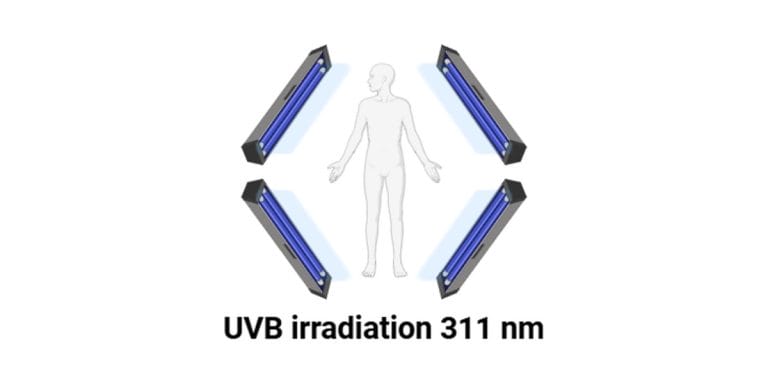
Narrowband UVB phototherapy is one of the main treatments. The authors of a new University of Washington study call it “an important first-line therapy” for vitiligo. But light therapy only helps if a family can get to it, and in a clinic that usually means repeated visits over many months.
So the researchers asked a simple question: if you’re a parent in Washington State with a child who has vitiligo, where can you actually get in-office phototherapy?
What The Study Looked At
The team surveyed the offices of board-certified dermatologists across Washington to see which ones offered phototherapy, which offered it for vitiligo, which treated children, and which accepted Medicaid. The senior author is also with the Division of Dermatology at Seattle Children’s Hospital.
What They Found
The answer narrowed quickly at every step.
- 129 offices were identified as offering phototherapy.
- 46 of them (35.7%) offered phototherapy for vitiligo.
- 42 of those 46 (91.3%) treated children.
- Only 18 of those 42 (42.9%) accepted Medicaid.
Put another way, of the 129 dermatology offices offering phototherapy, 18, or about one in seven, offered it for vitiligo to children on Medicaid.
The geography was the starkest finding. The counties with the highest rates of Medicaid coverage among children had no in-office phototherapy options at all. The families most likely to rely on Medicaid were the ones with nowhere nearby to go.
The authors conclude that the study “highlights geographic and financial barriers to care in pediatric vitiligo.” They also call for a better way for families to find the offices that do offer phototherapy, and they note that their findings “potentially” point to “a role for home phototherapy units in pediatric care.”
What The Study Can’t Tell You
This is a count of offices in one state at one point in time. It doesn’t measure how many children with vitiligo live in each county, how far families travel, how long they wait, what treatment costs them, or how children do once treated.
Accepting Medicaid as an office is also not the same thing as Medicaid covering phototherapy for a particular child. Coverage depends on the plan and the state.
The study didn’t examine home phototherapy. The role for home units is the authors’ suggestion, stated cautiously, not something they tested.
What This Means For Families
If your child has vitiligo and their dermatologist recommends narrowband UVB, the practical questions are real ones: where is the nearest office that treats children, does it take your insurance, and can you manage the trips for as long as treatment lasts? It’s worth asking your child’s dermatologist those questions directly, and asking whether home phototherapy is an option for your child.
Home treatment doesn’t change who’s in charge. Whether phototherapy is right for a child, the dose, the schedule, and how the skin is checked along the way are all decisions your child’s physician makes. We’ve written more about narrowband UVB for vitiligo and about what phototherapy at home involves.
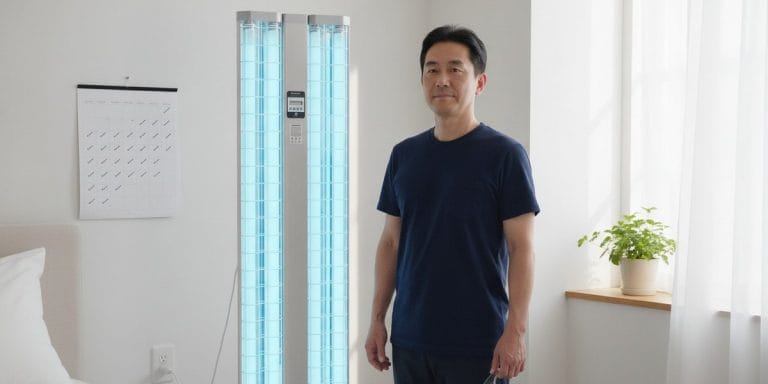
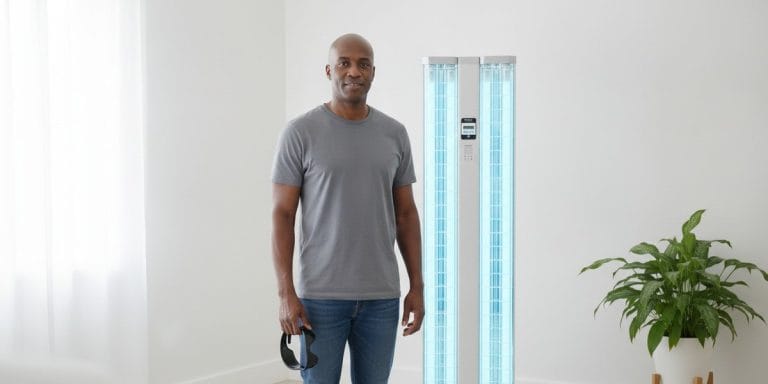
Cytokind’s home units are narrowband UVB, built on the Phothera 600, which is FDA-cleared to treat skin disorders, including vitiligo, under a physician’s direction, in patients ranging from children to older adults. If you’d like to talk through whether home phototherapy could fit your child’s treatment plan, contact us and we’ll help you work through it with your doctor.
This blog post is for informational purposes only and does not constitute medical advice. Individuals should consult with qualified healthcare providers before beginning any new treatment modality.